Impact of Community Nonprofit Drumming: Building Local
Discover how community nonprofit drumming groups are transforming local neighborhoods through accessible rhythm events, social outreach, and inclusive music programs.
There is a specific kind of magic that occurs when a dozen djembe players and a handful of curious onlookers gather in a public park. The heartbeat of the bass notes and the sharp slap of the wood-skinned drums create an immediate, visceral sense of belonging. While many drum circles are informal gatherings, a growing movement of community nonprofit drumming organizations is formalizing this experience to drive social change, education, and healing.
Nonprofit drumming groups operate with a mission that goes beyond just making music. They serve as the connective tissue in modern cities, using the universal language of rhythm to bridge cultural divides and provide therapeutic outlets for underserved populations.
The Mission of Nonprofit Drumming Organizations
At the core of community nonprofit drumming is the belief that rhythm is a birthright, not a luxury. Unlike a commercial concert or a private school, these organizations focus on accessibility. Their missions often include providing instruments to those who cannot afford them and creating safe spaces for marginalized groups.
Many of these nonprofits focus on youth development, using the djembe and dununs to teach teamwork and active listening. By participating in a call-and-response exercise, a child learns that their voice—expressed through their hands—matters, but also that they must listen to the collective to keep the groove alive.
Programs and Outreach Initiatives
Community nonprofit drumming isn't limited to a single park circle. These organizations often run diverse programs tailored to specific community needs:
- School Residencies: Bringing percussion education to public schools where arts funding has been cut.
- Hospital and Hospice Work: Using gentle frame drum rhythms and soft mallets to provide comfort and stress relief to patients.
- At-Risk Youth Programs: Offering an alternative to street life by providing a creative outlet and a supportive peer group.
- Seniors and Memory Care: Utilizing the cognitive benefits of drumming to help those with dementia or Alzheimer's reconnect with their memories through rhythm.
If you are looking for professional guidance for your own organization, you can find experienced drum teachers who specialize in nonprofit outreach and community building.
The Role of the Facilitator in a Nonprofit Setting
A nonprofit drum circle is rarely a free-for-all. It is usually guided by a trained facilitator who understands the group's specific goals. In a community nonprofit drumming context, the facilitator isn't a "conductor" in the traditional sense; they are a bridge-builder.
They ensure that the experienced conga player doesn't drown out the beginner with a shaker. They manage the energy of the room, moving the group from a chaotic start into a cohesive, rhythmic flow. This skill is vital when working with diverse populations who may have never touched a drum before. Many of these facilitators are trained through specialized drum schools that focus on the psychology of group dynamics.
Instruments of the Community
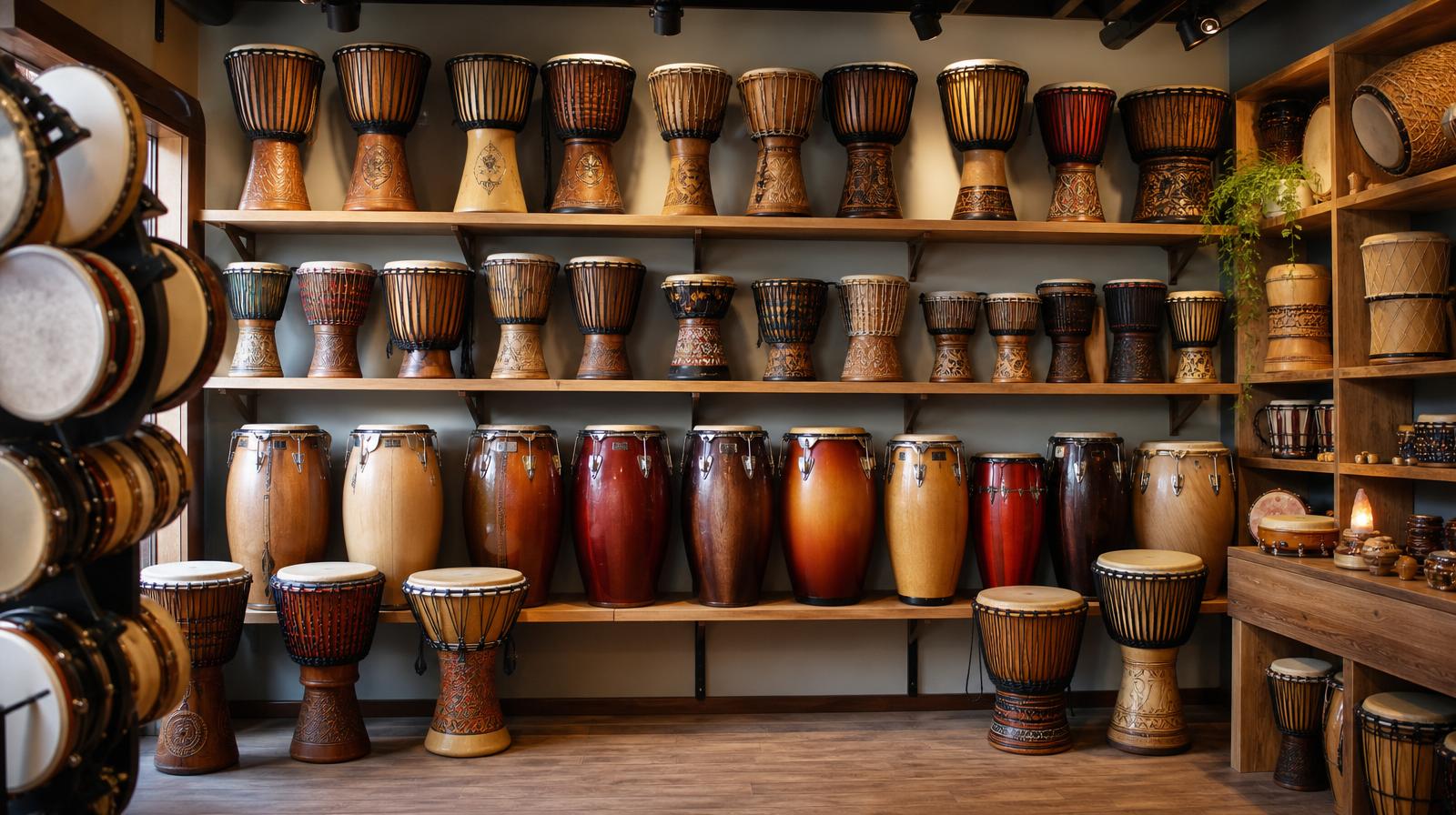
One of the hallmarks of nonprofit drumming is the sheer variety of instruments present. Because these organizations often rely on donations, you will see a beautiful, eclectic mix of percussion:
- Djembe: The versatile west-African drum that serves as the heartbeat of most circles.
- Doumbek: Often brought by those with a passion for Middle Eastern rhythms.
- Congas and Bongos: Providing the foundational Afro-Cuban swing.
- Handpans and Frame Drums: Used frequently in wellness-focused nonprofit sessions for their melodic and soothing tones.
- Auxiliary Percussion: Cowbells, woodblocks, and shakers that allow anyone—regardless of skill level—to participate immediately.
Benefits to the Local Ecosystem
When a community nonprofit drumming group establishes roots, the local ecosystem thrives. These groups often partner with local festivals and street fairs to provide interactive entertainment. This increases foot traffic for local businesses and creates a festive, safe atmosphere in public squares.
Furthermore, these organizations often host events that celebrate cultural diversity. A nonprofit might host a West African dance workshop one month and a Japanese Taiko demonstration the next, fostering a deeper understanding of the global traditions that inform our modern drumming practices.
How to Support and Get Involved
Supporting community nonprofit drumming can take many forms. You don't have to be a master percussionist to make a difference.
- Donate Instruments: If you have an old doumbek or djembe gathering dust, a nonprofit can put it into the hands of a student.
- Volunteer Your Time: Nonprofits always need help with social media, event setup, or grant writing.
- Attend Their Circles: Often, these groups host "suggested donation" circles. Your participation and small financial contribution keep the lights on.
- Spread the Word: Share their mission with local schools or community centers that could benefit from a rhythmic intervention.
For those looking to dive deeper into the world of rhythm and perhaps bring new skills back to their local nonprofit, attending drumming retreats can be a transformative way to sharpen your technique and your heart.
The Future of Rhythmic Advocacy
As we move toward a more digital and often isolated world, the physical act of drumming together becomes even more vital. Community nonprofit drumming is leading the charge in reclaiming our public spaces for human connection. By supporting these organizations, we are investing in a louder, more vibrant, and more harmonious future for everyone.
Find a drum circle near you at /drum-circles.
Frequently asked
- What is the difference between a drum circle and a nonprofit drumming group?
- A drum circle is a general term for a gathering of people playing drums together. A nonprofit drumming group is a formal organization with a mission to serve the community, often providing instruments, facilitators, and structured programs for schools or therapeutic settings.
- Do I need my own drum to participate in nonprofit drumming events?
- Usually, no. Most community nonprofit drumming organizations maintain a 'drum bank' of instruments like djembes and shakers for the public to use, ensuring that everyone can participate regardless of their financial situation.
- How do nonprofit drumming groups get funded?
- These organizations typically rely on a mix of government or arts council grants, private donations, corporate sponsorships, and modest fees from workshops or 'suggested donation' community events.
Find a drum circle near you
Browse hundreds of circles, teachers and rhythm community gatherings.
Explore drum circles