
Community Rhythm Circle: A Guide to Connection and Groove
Discover how a community rhythm circle fosters connection, reduces stress, and builds musical confidence for drummers of all skill levels.
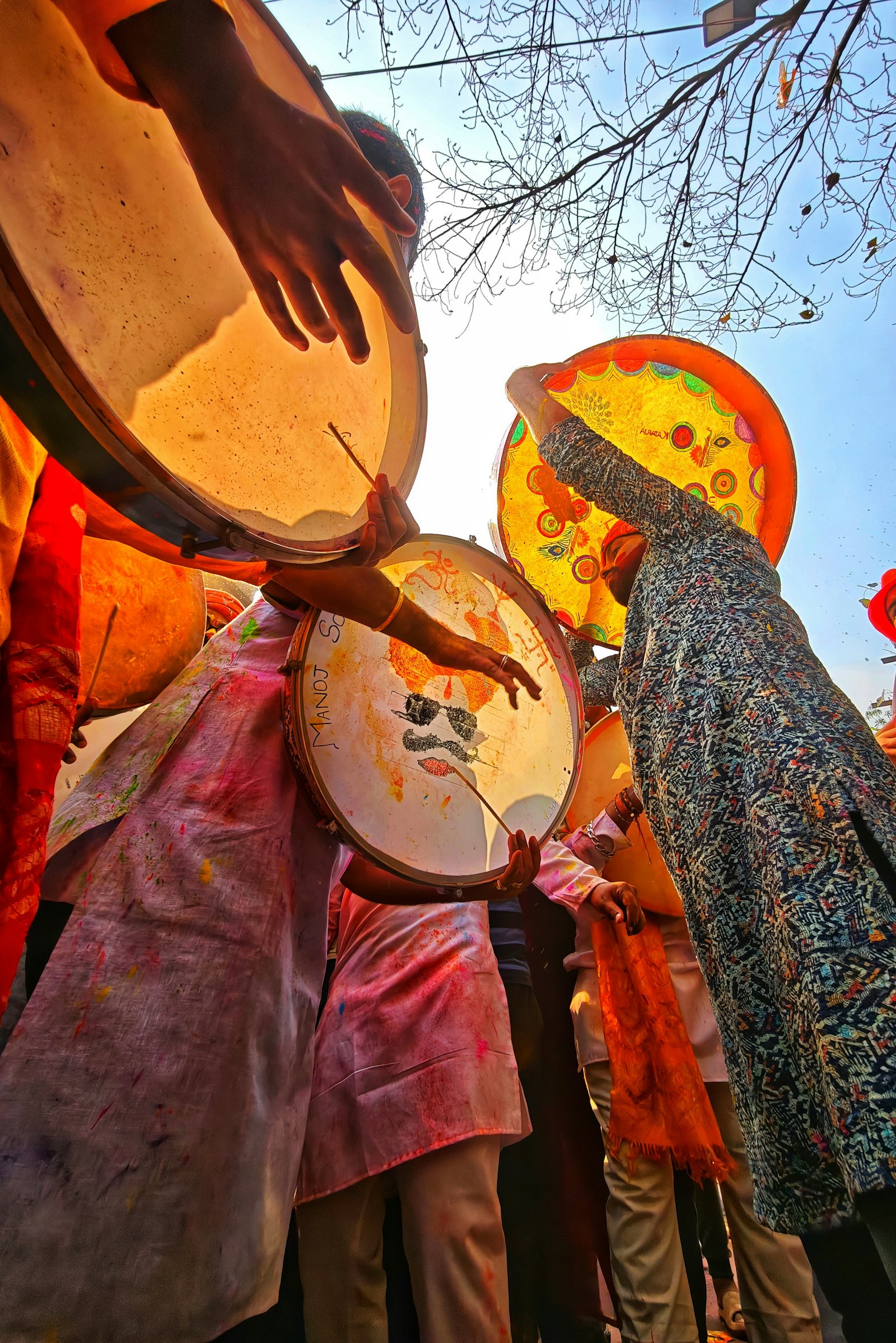
There is something primal and deeply restorative about the sound of a drum. When that sound is multiplied by twenty, fifty, or even a hundred people, it transforms into a community rhythm circle—a living, breathing organism of sound. Unlike a formal concert where there is a clear divide between performer and audience, a rhythm circle invites everyone to be a creator.
Whether you are holding a djembe for the first time or you are a seasoned percussionist with a collection of congas and doumbeks, the community circle is a space where every heartbeat matters. In this guide, we explore the magic of shared rhythm and how you can find your place in the groove.
What is a Community Rhythm Circle?
A community rhythm circle is a collaborative musical experience where people gather to create spontaneous music. While some circles are led by a facilitator who uses hand signals to guide the volume and tempo, others are 'free-form,' relying on the collective ear of the group to shift and evolve.
These gatherings are rarely about technical perfection. Instead, they focus on the 'common pulse.' It is a democratic form of music-making where the goal is social cohesion and personal expression. From local parks to community centers, these circles serve as a modern campfire, bringing together people of all ages, backgrounds, and abilities.
The Instruments of the Circle
You don’t need a specific drum to join in, but understanding the common voices in a circle helps you find your sonic space.
- The Djembe: The most popular drum in circles globally. Its deep bass and sharp slaps allow it to lead or support the rhythm.
- The Dunun: These large, cylindrical drums from West Africa provide the melodic heartbeat of the circle, often played with sticks.
- Frame Drums: These are lightweight and portable, offering a mystical, earthy tone perfect for melodic playing.
- Congas and Bongos: Bringing a Latin flair, these drums add complex textures and mid-range tones.
- Auxiliary Percussion: Never underestimate the power of a shaker, cowbell, or tambourine. These instruments provide the 'high-end' sparkle that keeps the rhythm crisp.
If you are looking to refine your technique on a specific instrument before joining a large group, connecting with drum teachers can help you find your unique voice.
The Unwritten Rules: Drum Circle Etiquette
To ensure the experience is enjoyable for everyone, a few simple guidelines—often called drum circle etiquette—are usually followed.
- Listen More Than You Play: The secret to a great circle is the space between the notes. Listen to the person next to you and the group as a whole.
- Support the Pulse: Beginners should focus on the basic heartbeat. Don't feel pressured to play complex solos; a steady, simple beat is the foundation the experts rely on.
- Ask Before Playing Someone Else’s Drum: Many drummers view their instruments as sacred or personal. Always ask permission before trying out a neighbor's doumbek or djembe.
- Follow the Facilitator: If a facilitator is present, they may use 'sculpting' gestures to bring the volume down or signal a stop. Pay attention to their cues to keep the music cohesive.
Health and Wellness Benefits of Group Drumming
Scientific research has increasingly highlighted the therapeutic power of the community rhythm circle. Group drumming has been shown to reduce cortisol levels, the body's primary stress hormone, while increasing the production of endorphins.
Beyond the physical, there is a profound psychological benefit. In a world that is increasingly digital and isolated, the physical vibration of the drums creates a sense of 'entrainment.' This is when the brainwaves and heartbeats of participants begin to synchronize, leading to feelings of belonging and reduced anxiety. Many find that a weekly circle is more effective than traditional meditation for clearing the mind.
Finding Your Tribe and Growing Your Skills
If you have caught the rhythm bug, there are many ways to deepen your practice. Many enthusiasts move from local park jams to structured drum schools where they can learn the traditional rhythms of West Africa, the Middle East, or Brazil.
For those who want a truly immersive experience, drumming retreats offer the chance to spend several days in nature, away from the noise of daily life, focusing entirely on the drum and the community. These events often feature world-class facilitators and provide a safe space for deep rhythmic exploration.
Organizing Your Own Community Circle
Can't find a circle in your area? You might be the person to start one. Beginning a community rhythm circle requires only a few ingredients: a consistent location, a few extra loaner instruments, and a welcoming attitude.
Start small in a local community center or a backyard. Use social media and local bulletin boards to spread the word. Focus on making the event family-friendly and accessible to beginners. Over time, you will see a diverse group of regulars form, each bringing their own unique energy to the collective sound.
Conclusion
A community rhythm circle is more than just a musical event; it is a celebration of human connection. In the circle, there are no strangers, only friends we haven't drummed with yet. Whether you are seeking a release from stress, a way to express your creativity, or simply a fun afternoon in the park, the drum is waiting for you.
Find a drum circle near you and join the global heartbeat today.
Frequently asked
- Do I need to own a drum to join a community rhythm circle?
- Not necessarily. Many facilitated circles provide a 'drum bank' with extra djembes, shakers, and bells for newcomers to use. However, it is always a good idea to check the event description or contact the organizer beforehand.
- What should I wear to a drum circle?
- Comfort is key. Wear clothing that allows you to sit comfortably with a drum between your legs, such as loose pants or long skirts. Avoid wearing large rings or heavy bracelets, as these can damage the drum head and hurt your hands.
- Are children allowed at community rhythm circles?
- Most community circles are family-friendly and welcome children. It is a wonderful way for kids to develop motor skills and social cooperation, though parents should ensure their children follow the basic etiquette of the group.
Find a drum circle near you
Browse hundreds of circles, teachers and rhythm community gatherings.
Explore drum circles