Unlocking Team Potential: The Power of a Company Drum Circle
Discover how a company drum circle transforms workplace culture through rhythm, collaboration, and high-energy team building experiences.
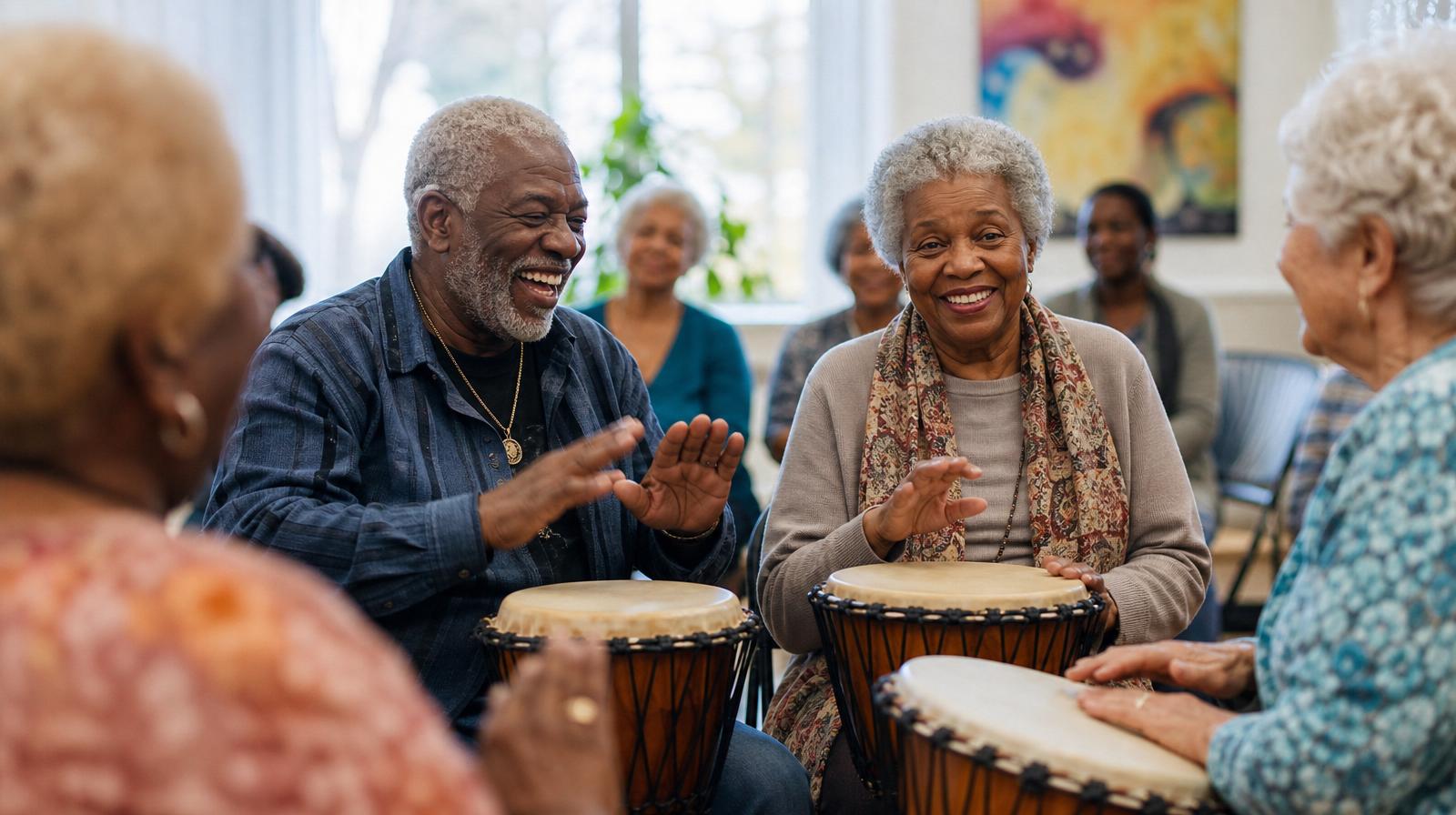
In the modern corporate landscape, traditional team-building exercises often fall flat. Trust falls feel dated, and awkward icebreakers can lead to more eye-rolling than engagement. Enter the company drum circle: a high-energy, immersive experience that strips away corporate hierarchy and replaces it with a shared, rhythmic pulse.
When a team picks up djembes, dununs, and shakers, they aren't just making noise. They are practicing the core mechanics of a high-performing organization: active listening, real-time collaboration, and the courage to find one's unique voice within a collective goal.
Why Rhythm Works for Corporate Teams
At its core, a company drum circle is a metaphor for a functional business. Every instrument has a specific role. The low-end bass of the dunun provides the foundation, much like a company’s core values or infrastructure. The sharp, high-pitched tones of the djembe or doumbek provide the melody and direction, similar to leadership and innovation.
When one person speeds up without the group, the rhythm falters. When the team listens to the facilitator and each other, the music flows. This immediate feedback loop is one of the most powerful aspects of rhythmic team building. Unlike a seminar where lessons are theoretical, the lessons in a drum circle are felt physically and heard instantly.
Breaking Down Hierarchies through the Beat
One of the most profound effects of bringing a drum circle into the office is the leveling of the playing field. In a circle, there is no head of the table. The CEO sits next to the intern, both holding the same instrument, both contributing to the same beat.
This environment encourages:
- Authentic Connection: Employees see each other as humans rather than job titles.
- Reduced Communication Barriers: Rhythm bypasses the analytical brain, allowing people to communicate through non-verbal cues.
- Psychological Safety: There are no mistakes in a drum circle, only variations. This encourages employees to take risks and contribute ideas without fear of judgment.
The Health and Wellness Benefits of Group Drumming
Burnout is a significant challenge in today's fast-paced work environments. A company drum circle serves as a powerful wellness tool. Studies have shown that group drumming can lower cortisol levels and increase the production of endorphins.
Beyond the physical, the mental clarity gained from focusing on a singular rhythm acts as a form of "active meditation." It allows employees to clear their minds of pending emails and deadlines, returning to their desks refreshed and more productive. Many organizations now integrate these sessions into their larger health and wellness initiatives.
Choosing the Right Instruments for Your Session
A professional facilitator will typically provide a variety of instruments to ensure everyone finds a comfortable fit. Common instruments include:
- Djembes: Versatile West African drums that are easy for beginners to learn.
- Congas and Bongos: Great for adding texture and consistent grooves.
- Frame Drums: Lightweight and accessible for those who prefer a softer touch.
- Percussion Toys: Shakers, cowbells, and woodblocks allow for participation without the physical demand of a large drum.
If your team finds a particular passion for the craft, you might even consider hiring drum teachers for ongoing skill-building workshops.
What to Expect During a Facilitated Event
A typical company drum circle isn't a chaotic free-for-all. It is a structured journey led by a professional facilitator. The session usually follows a specific arc:
- The Warm-up: Simple call-and-response patterns to get the group synchronized.
- The Groove: Establishing a steady beat where everyone feels confident in their contribution.
- The Challenge: Introducing complexity, such as polyrhythms or sudden stops/starts, to test the group's focus.
- The Reflection: A brief discussion on how the rhythmic successes (and failures) mirror the team's daily work life.
Integrating Drumming into Your Corporate Culture
While a one-off event is a great start, the most successful companies find ways to keep the rhythm alive. This might mean hosting quarterly sessions or even sending leadership teams to specialized drumming retreats to dive deeper into rhythmic communication strategies.
By prioritizing these creative outlets, companies signal to their employees that they value innovation, mental health, and genuine community. It transforms the office from a place of tasks into a place of shared human experience.
Ready to transform your workplace culture? Find a drum circle near you and start your rhythmic journey today.
Frequently asked
- Do employees need musical experience to participate in a company drum circle?
- Not at all. Company drum circles are designed for all skill levels, especially absolute beginners. A professional facilitator guides the group through simple patterns, ensuring everyone can contribute to the rhythm immediately regardless of their musical background.
- How long does a typical corporate drumming session last?
- Most sessions last between 45 and 90 minutes. This provides enough time to move from basic synchronization to complex group rhythms without causing physical fatigue, making it an ideal fit for conference breakouts or afternoon team-building slots.
- What is the ideal group size for a company drum circle?
- Drum circles are incredibly scalable. They work beautifully for small teams of 10-15 people but can be expanded to accommodate hundreds of participants in a large ballroom setting, provided there are enough instruments and facilitators to manage the energy.
Find a drum circle near you
Browse hundreds of circles, teachers and rhythm community gatherings.
Explore drum circles