
Mastering the Conga Drum Circle: A Guide to Rhythms and
Discover how to blend the rich, melodic tones of the conga into any drum circle while mastering essential strokes and community etiquette.
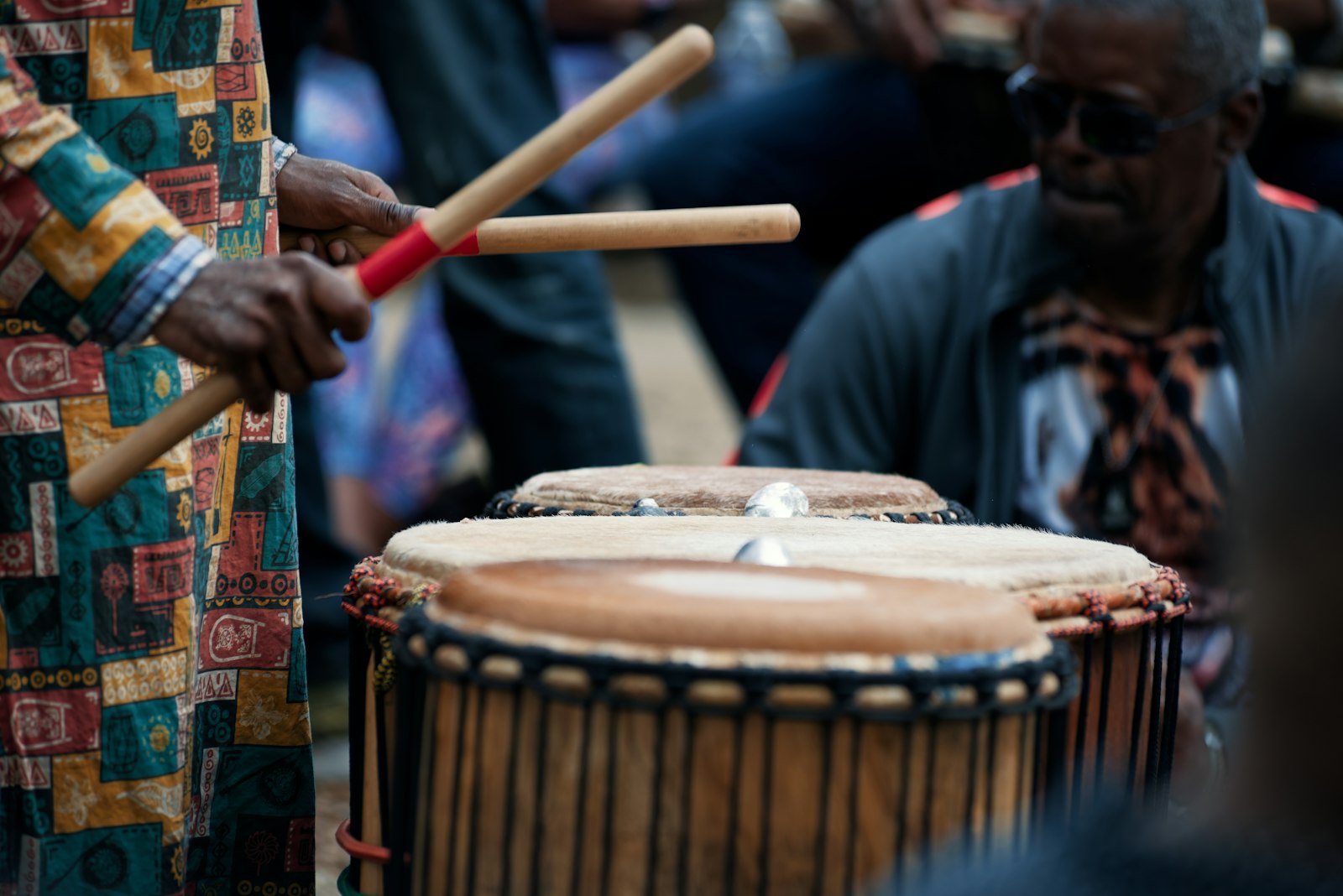
There is a unique magic that happens when the deep, resonant skin of a conga drum meets the collective energy of a community gathering. While many modern drum circles are dominated by the sharp, high-pitched crack of the djembe, the conga—or tumbadora—provides a melodic heartbeat that grounds the music.
Whether you are a seasoned percussionist or a curious beginner picking up a drum for the first time, understanding how to navigate a conga drum circle is about more than just hitting the head. It is about conversation, listening, and contributing to a shared rhythmic tapestry.
The Role of the Conga in a Drum Circle
In a typical community drum circle, the conga serves as the bridge between the low-end thunder of the dununs and the rapid-fire improvisation of the lead drummers. Because congas are tuned to specific pitches, they add a harmonic element that other hand drums often lack.
When you bring a conga to a gathering, your role is often to provide a steady, reliable pulse. While the djembe excels at volume and soloing, the conga excels at the tumbao—the classic repetitive pattern that keeps everyone in time. If you are looking to refine your timing, connecting with local drum teachers can help you master these foundational patterns.
Essential Conga Strokes for Group Play
To sound your best in a conga drum circle, you need to master the four basic strokes. Clear technique ensures your drum speaks clearly without straining your hands.
- The Open Tone: Struck near the rim with the fingers, allowing the drum to ring out with a clear pitch.
- The Bass Tone: Struck with the full palm in the center of the head, creating a deep, muffled thud.
- The Slap: A sharp, popping sound achieved by letting the fingertips 'whip' against the skin. This is the most difficult stroke but essential for cutting through the noise of a large circle.
- The Muffle (or Palm-Finger): A technique used to keep time silently or create a rocking motion that drives the rhythm forward.
Blending Congas with Other Instruments
One of the joys of a diverse circle is hearing how different instruments interact. In a conga drum circle environment, you will likely be playing alongside instruments like the doumbek, frame drums, and various shakers.
- Conga and Djembe: The djembe is loud and bright. To complement it, play lower-pitched patterns on your conga. Avoid competing for the high-end frequency; instead, find the 'pockets' of silence the djembe leaves behind.
- Conga and Cowbells: In Afro-Cuban traditions, the bell sets the timeline. If someone is playing a cowbell, listen for the 'clave' and lock your conga strokes into that pattern.
- Conga and Shakers: Use your softer palm-finger strokes to mimic the steady 'shhh-shhh' of the maracas or shekere.
Etiquette: Finding Your Voice Without Overpowering
Drum circle etiquette is vital for a positive experience. Because congas are physically large and can be quite loud, it is important to be mindful of your volume.
- Listen First: Before you strike your drum, listen for at least a minute. What is the 'heartbeat' of the circle?
- Support the Facilitator: If there is a facilitator leading the group, keep your eyes on them for cues to stop, start, or change volume.
- Leave Space: You don't have to play on every beat. Rhythms breathe when there is space between the notes.
- Share the Lead: If you are a skilled player, don't solo the whole time. Build a groove that makes others feel comfortable enough to play along.
Taking Your Skills to the Next Level
If you find yourself falling in love with the conga, consider immersing yourself in the culture. Many players find that attending drumming retreats allows them to focus on technique away from the distractions of daily life. Alternatively, enrolling in drum schools can provide a structured curriculum covering everything from rumba to guaguancó.
Many communities also host specific percussion events where the focus is specifically on Afro-Caribbean rhythms. These are excellent opportunities to see how professional congueros handle the instrument in a group setting.
Why the Conga is Perfect for Community Healing
The physical act of playing a conga drum circle style is deeply therapeutic. The vibration of the wood and the skin against your palms can reduce stress and promote a sense of 'flow.' In a world that is increasingly digital, the tactile nature of the conga brings us back to our roots and connects us to the people sitting in the chairs next to us.
Find a drum circle near you by visiting our global directory.
Frequently asked
- Can I bring a single conga to a drum circle, or do I need a pair?
- A single conga (usually a centro or quinto) is perfectly fine for a drum circle. While professional congueros often play sets of two or three, a single drum allows you to focus on the core rhythm and makes it much easier to transport to community events.
- What is the best way to tune a conga for an outdoor circle?
- For outdoor settings, tune your conga slightly higher than usual, as humidity can cause the skin to soften and lose its 'pop.' Ensure the lugs are tightened evenly in a cross-pattern to maintain an even tension across the head.
- Is the conga harder to learn than the djembe for beginners?
- The conga has a steeper initial learning curve regarding technique, specifically the 'slap' stroke. However, many find the ergonomic upright playing position of the conga more comfortable for long sessions compared to the djembe.
Find a drum circle near you
Browse hundreds of circles, teachers and rhythm community gatherings.
Explore drum circles