Why Hire a Corporate Drum Circle Facilitator for Your Team?
Transform your corporate culture through the power of rhythm. Discover how a professional facilitator can turn a group of employees into a high-performing rhythmic ensemble.
In the modern landscape of high-stakes deadlines and remote work silos, companies are constantly searching for ways to bridge the gap between employees. While traditional icebreakers often fall flat, there is a centuries-old practice making a massive impact in the boardroom: the drum circle. However, this isn't just a group of people hitting instruments at random. The success of these sessions rests entirely on the skill of a professional corporate drum circle facilitator.
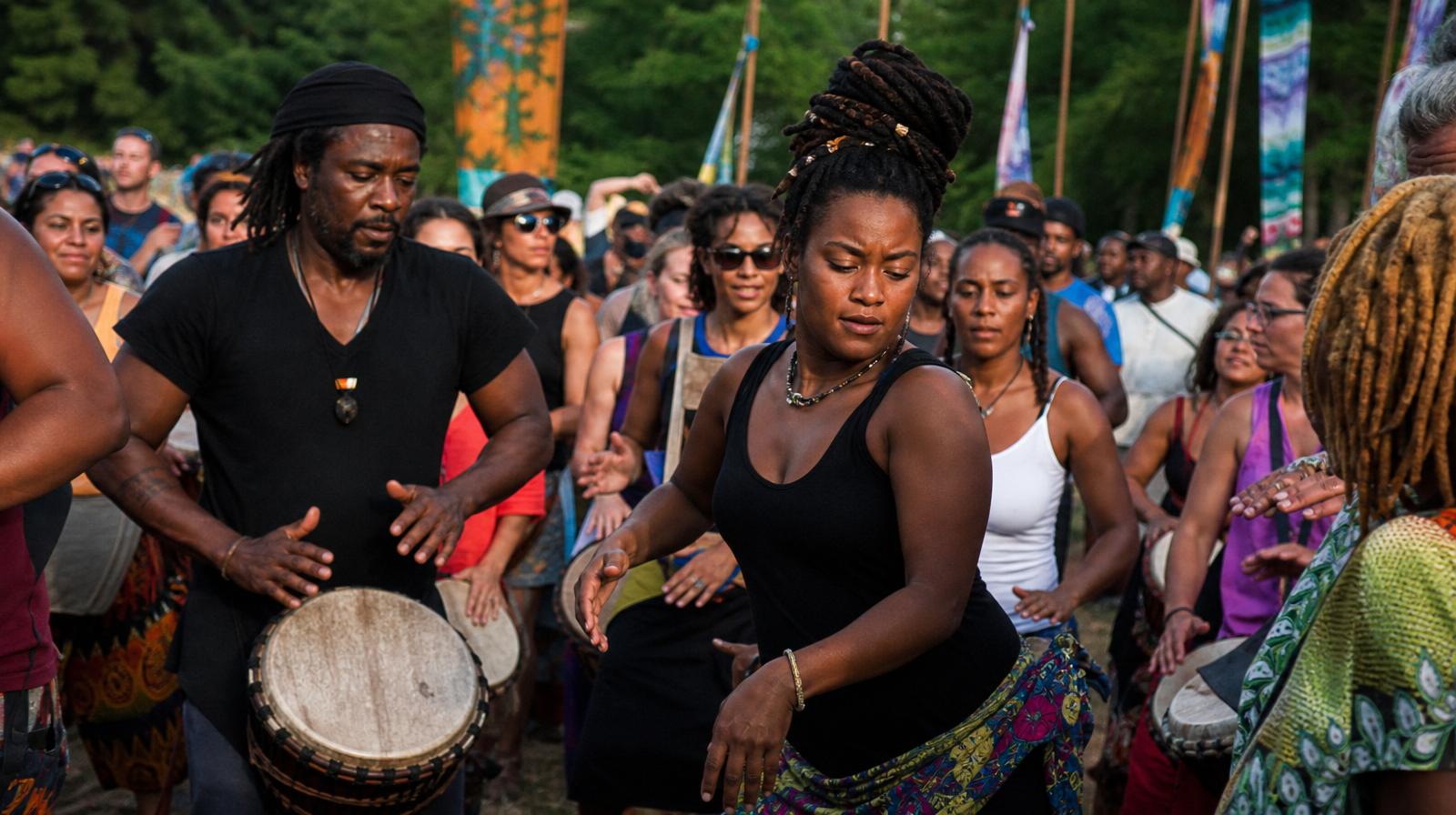
A facilitator acts as a rhythmic conductor, guiding a team of non-musicians through a journey of communication, listening, and collaborative creation. By using instruments like the djembe, conga, and various handheld percussion, they transform a room of individuals into a synchronized, high-performing ensemble.
The Role of a Corporate Drum Circle Facilitator
Many people confuse a facilitator with a drum teacher. While a drum teacher focuses on the technical mastery of an instrument, a corporate facilitator focuses on the group dynamic. Their goal isn't to teach you how to play a complex polyrhythm on a doumbek; it is to use the drum as a tool for experiential learning.
A facilitator manages the energy of the room. They use specific techniques—such as call-and-response, sculpting, and dynamic shifting—to ensure that every participant feels heard. In a corporate setting, this mirrors the workplace: some people naturally lead, some support, and others need encouragement to find their voice. The facilitator makes these parallels visible and actionable.
Breaking Down Hierarchies Through Rhythm
One of the most powerful aspects of a drum circle is its ability to level the playing field. When a CEO sits down next to an entry-level intern, and both are handed a djembe, the corporate hierarchy vanishes. In the circle, everyone is equal.
Professional facilitators are experts at using this "rhythmic democracy" to foster psychological safety. When a team realizes they can create a cohesive sound without a formal script, it builds a sense of trust that carries back into the office. This is why many organizations integrate drumming into their annual events and conferences to kick off strategic planning sessions.
Key Benefits for the Modern Workplace
- Stress Reduction: Drumming has been scientifically proven to lower cortisol levels and release endorphins. A midday session can act as a powerful reset for a stressed-out department.
- Improved Communication: To play together, you must listen together. Facilitators teach participants how to hear the "spaces between the notes," emphasizing the importance of active listening in professional collaboration.
- Enhanced Creativity: Stepping out of the analytical left-brain and into the rhythmic right-brain allows for breakthrough thinking. Many facilitators use frame drums and small percussion to spark "out of the box" brainstorming.
- Inclusion and Diversity: Drumming is a universal language. It transcends age, background, and job title, making it one of the most inclusive team-building activities available today.
What to Expect During a Facilitated Session
When you book a corporate drum circle facilitator, the experience usually follows a structured arc designed to maximize engagement:
- The Setup: The facilitator provides a variety of instruments—typically djembes, dununs, and boomwhackers—arranged in a circle.
- The Icebreaker: Simple pulse-finding exercises help the group get over the initial "performance anxiety."
- Rhythmic Games: Using call-and-response, the facilitator introduces basic patterns that build into a layered groove.
- Empowerment: Participants are often invited to lead the group or improvise, fostering leadership skills in a low-pressure environment.
- The Reflection: A skilled facilitator will lead a debrief, connecting the rhythmic metaphors (like keeping the beat or supporting a soloist) back to the company’s specific goals.
How to Choose the Right Facilitator
Not all drummers are facilitators. When searching for the right person for your event, look for someone with specific training in group rhythm facilitation (such as the Village Music Circles method). They should have a track record of working with corporate clients and understand how to navigate professional environments.
Ask potential facilitators about their instrument inventory. Do they provide high-quality goatskin djembes or synthetic heads that stay in tune? Do they include "low-impact" options like frame drums for participants with physical sensitivities? A great facilitator is prepared for every contingency.
Integrating Drumming into Your Wellness Strategy
Beyond one-off team building, many forward-thinking companies are looking toward drumming retreats as a way to invest in long-term employee wellness. These multi-day experiences allow for deeper work, combining rhythm with mindfulness and leadership development.
If you aren't ready for a full retreat, consider starting small. Many facilitators offer "rhythm breaks" for quarterly meetings or even recurring monthly sessions to maintain team cohesion and morale.
Conclusion: Finding the Pulse of Your Team
The roar of fifty drums playing in unison is a feeling that stays with an employee long after they return to their desk. It is a physical reminder that they are part of something larger than themselves. By hiring a professional corporate drum circle facilitator, you aren't just booking entertainment; you are investing in the heartbeat of your company.
Find a drum circle near you at /drum-circles.
Frequently asked
- Do employees need prior musical experience?
- Absolutely not. A professional facilitator is trained to get a group of complete beginners playing a cohesive groove within minutes. The focus is on communication and connection, not technical musical skill.
- How many people can participate in a corporate drum circle?
- Drum circles are incredibly scalable. Facilitators can lead small executive teams of 10 or massive keynote sessions with over 1,000 participants using specialized tools like boomwhackers or handheld percussion.
- How long does a typical session last?
- Most corporate sessions last between 60 and 90 minutes. However, facilitators can also provide short 15-minute 'energizers' to kick off a conference or half-day deep-dive workshops for leadership teams.
Find a drum circle near you
Browse hundreds of circles, teachers and rhythm community gatherings.
Explore drum circles