Corporate Drum Circle Pricing: A Guide for Event Planners
Discover the factors that influence corporate drum circle costs and how to budget for a transformative rhythm-based team building event.
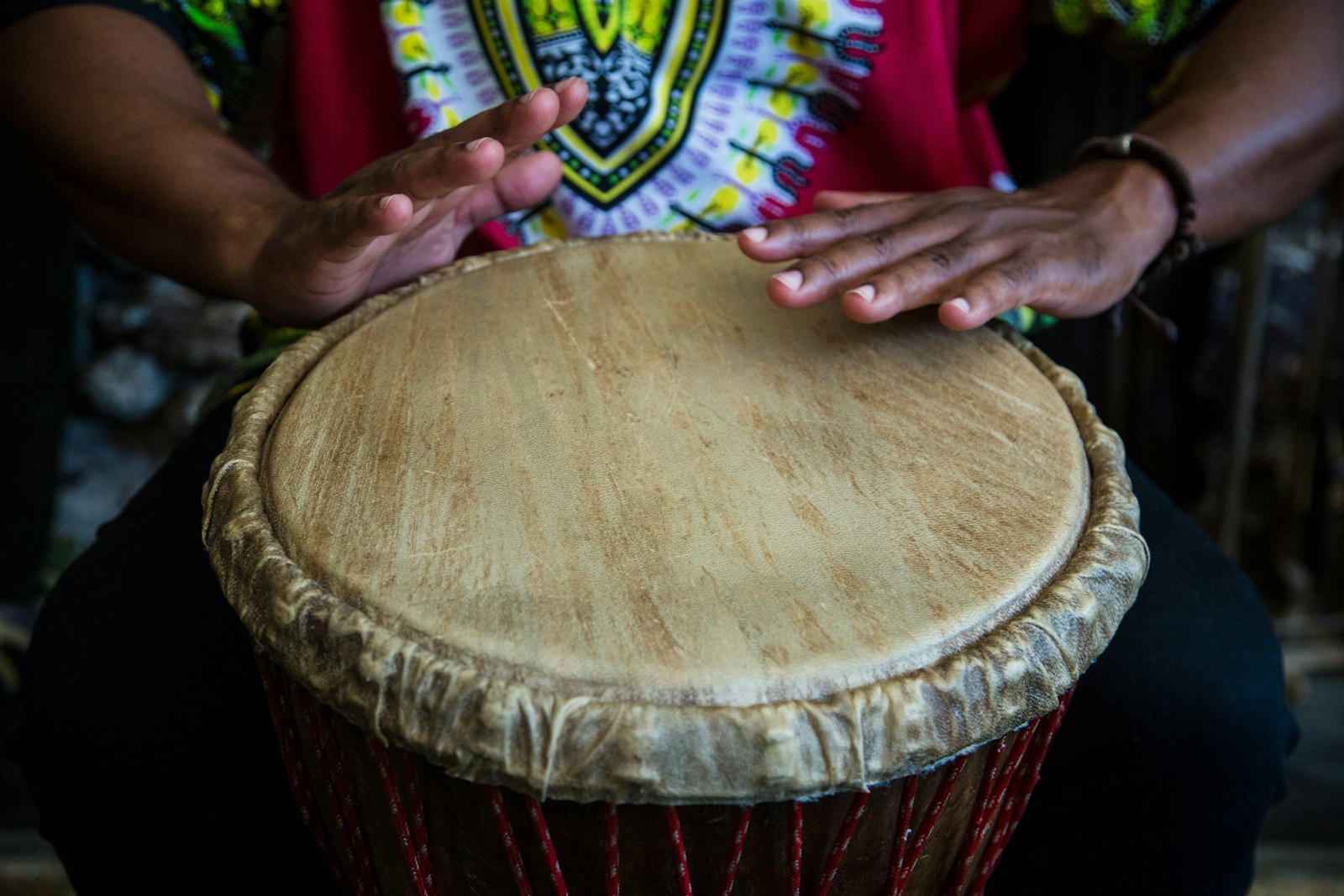
When planning a corporate event that breaks the mold of traditional icebreakers, many HR managers and team leaders turn to the power of rhythm. A corporate drum circle isn't just a musical performance; it is a high-energy, experiential team-building tool that fosters communication, reduces stress, and aligns a group toward a common goal.
However, one of the most common questions event planners ask is: "What is the standard corporate drum circle pricing?" Understanding the investment required involves looking beyond a simple hourly rate. From the number of djembes provided to the expertise of the facilitator, several variables dictate the final quote.
Why Invest in a Corporate Drum Circle?
Before diving into the numbers, it is essential to understand the value proposition. Unlike a static lecture, a drum circle is participatory. Within minutes, a room full of executives and staff members are transformed into a cohesive percussion ensemble.
Using instruments like the djembe, conga, and dunun, a skilled facilitator guides the group through call-and-response patterns and polyrhythmic grooves. This process mirrors effective workplace communication: listening, supporting others, and finding a collective flow. The ROI is measured in improved morale and a shared sense of accomplishment that lasts long after the drums are packed away.
Average Pricing Ranges for Corporate Events
Corporate drum circle pricing typically falls into three main tiers based on group size and the complexity of the event:
- Small Teams (10–30 participants): $500 – $1,500. These are often intimate workshops focused on deep communication or conflict resolution.
- Mid-Sized Groups (30–100 participants): $1,500 – $3,500. This is the sweet spot for many regional meetings and department retreats.
- Large-Scale Keynotes (100–500+ participants): $3,500 – $10,000+. For major conferences, pricing includes high-level facilitation, a support team of professional drummers, and massive logistics for instrument distribution.
Factors That Influence the Cost
1. Facilitator Expertise and Reputation
A professional facilitator is more than a drummer; they are a corporate trainer who understands group dynamics. Experienced facilitators who specialize in the corporate sector charge more because they can bridge the gap between musical metaphors and business objectives. If you are looking for specialized instruction, you might also browse drum teachers who have experience in corporate settings.
2. Instrument Logistics and Rental
Providing 100 high-quality instruments is a significant logistical feat. Pricing often includes the "per head" cost of renting and maintaining djembes, doumbeks, frame drums, and auxiliary percussion like shakers and bells. The cost also covers the labor of loading, unloading, and tuning these instruments before your session begins.
3. Event Duration
Most corporate sessions last between 60 and 90 minutes. While this seems short, the preparation time is extensive. If you require a multi-day retreat or a series of breakout sessions, expect the price to reflect the additional time commitment. Many facilitators also offer their services at drumming retreats where the focus is on long-term wellness.
4. Travel and Location
If your chosen facilitator is not local, you will need to account for travel expenses, including mileage, flights, and hotel stays. For large events, shipping a trailer full of drums across state lines can add significant freight costs to the final invoice.
Understanding the "Per Person" Model vs. Flat Fees
Some facilitators use a flat fee for their time, while others use a per-person model (e.g., $25 to $50 per participant). The per-person model is often preferred for large conferences because it scales naturally with the logistical requirements of providing an instrument for every seat. Always ask for a detailed breakdown to see if the "per head" cost includes the facilitator’s base fee or if that is a separate line item.
How to Budget for Your Rhythm Event
To get an accurate quote, have the following information ready for your facilitator:
- Exact Headcount: This determines the number of drums and staff needed.
- Venue Layout: Is there easy access for loading heavy drums? Is the room acoustically treated?
- Goals: Are you looking for a high-energy kick-off or a restorative wellness session?
- Date and Time: Peak conference seasons (Spring and Fall) may command higher rates.
If you are on a tight budget, consider checking out local events to see if a facilitator is already in your area, which can save on travel costs.
Hidden Costs to Watch Out For
When reviewing a contract, keep an eye out for these potential add-ons:
- Insurance: Most corporate venues require a Certificate of Insurance (COI). Professional facilitators carry liability insurance, but some may pass this administrative cost on.
- Assistant Fees: For groups over 50, a lead facilitator usually needs assistants to help manage the energy and distribute instruments.
- Customization: If you want the facilitator to incorporate specific company slogans or themes into the rhythm metaphors, there may be a fee for curriculum development.
Finding the Right Professional
Price should not be the only factor. A cheap facilitator who cannot manage a corporate crowd can do more harm than good. Look for professionals who have a track record of working with brands and who understand the etiquette of a corporate environment.
Ready to bring the beat to your office?
Find a drum circle near you on the Drum Circle Directory today.
Frequently asked
- Why is corporate drumming more expensive than a community circle?
- Corporate pricing includes professional-grade instrument rentals for every participant, liability insurance, and a facilitator trained in business-specific group dynamics. Community circles are often donation-based or low-cost because participants bring their own drums and the focus is on social connection rather than professional development.
- Do we need to provide the drums for the event?
- Generally, no. Most corporate drum circle facilitators provide a full array of percussion instruments, including djembes and shakers, as part of their service package. The cost of transporting and maintaining these instruments is typically built into the overall pricing.
- How much lead time is needed to book a facilitator?
- For large corporate events, it is best to book 3 to 6 months in advance, especially during the busy conference seasons of April-May and September-October. Smaller local workshops can often be booked with 4 to 6 weeks of notice depending on the facilitator's schedule.
Find a drum circle near you
Browse hundreds of circles, teachers and rhythm community gatherings.
Explore drum circles