
Corporate Drum Circle: Building Synergy Through Rhythm
Discover how a corporate drum circle can transform your team's communication, break down workplace silos, and foster genuine creative collaboration.
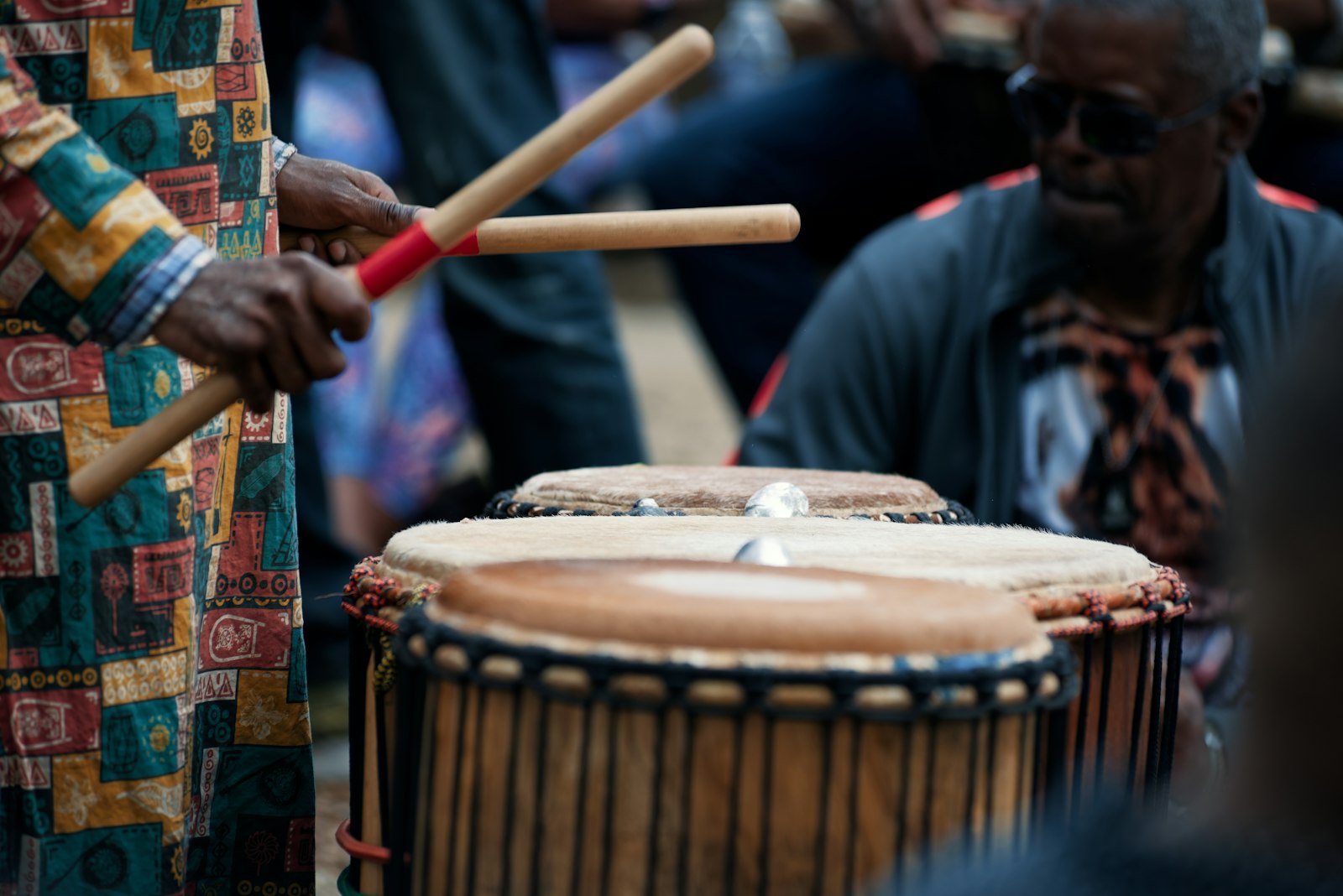
In the modern workplace, the traditional icebreaker often feels forced or uninspired. However, a corporate drum circle offers a radical departure from the norm. By harnessing the primal power of rhythm, companies are finding that they can bridge the gap between departments, dissolve hierarchy, and ignite a fresh sense of shared purpose.
A corporate drum circle isn't just about making noise; it is a sophisticated metaphorical tool for organizational development. When a team picks up djembes, congas, and dununs, they aren't just playing instruments—they are practicing active listening, non-verbal communication, and adaptive leadership in real-time.
Why Rhythm Works for Professional Teams
At its core, a business is a rhythmic entity. There are cycles of production, the tempo of the market, and the internal heartbeat of company culture. When these rhythms fall out of sync, productivity suffers and morale dips.
Participating in a facilitated rhythm event allows employees to experience what it feels like to be "in the pocket" together. Unlike a lecture, drumming is experiential. It requires every participant to contribute to the collective sound while remaining sensitive to the contributions of others. This balance of individual initiative and collective harmony is exactly what high-performing teams strive for in the office.
Breaking Down Workplace Silos
One of the most significant challenges in large organizations is the "silo effect," where departments become isolated and communication breaks down. In a drum circle, these barriers vanish.
When the CEO is sitting next to an intern, both playing frame drums or shakers, the traditional corporate ladder is momentarily leveled. This creates a safe space for authentic connection. The facilitator might use call-and-response patterns to encourage different "departments" of the circle to talk to each other through their instruments, demonstrating how much more powerful the sound becomes when everyone is aligned.
The Role of the Professional Facilitator
A successful corporate drum circle relies heavily on a skilled facilitator. Unlike a drum teacher who focuses on technical proficiency, a facilitator focuses on the group's social and emotional dynamics.
They guide the energy of the room, using hand signals to control volume, tempo, and transitions. They ensure that even those who have never touched a drum feel confident and included. If your organization is looking to host a professional session, you can often find experienced facilitators through drum schools or specialized event agencies who understand the nuances of corporate objectives.
Key Instruments Used in Corporate Sessions
You don't need to be a musician to participate. Most corporate sessions utilize a variety of accessible percussion instruments:
- Djembes: The most popular choice for their wide range of tones (bass, tone, and slap).
- Tubanos: Sturdy, floor-standing drums that are easy for beginners to play while seated.
- Boomwhackers: Tuned percussion tubes that are excellent for large-scale icebreakers.
- Hand Percussion: Shakers, tambourines, and cowbells allow for lighter participation and add texture to the groove.
- Dununs: Large bass drums that provide the steady heartbeat of the ensemble.
Stress Reduction and Employee Wellness
Burnout is a leading cause of turnover. Engaging in a rhythmic activity has been scientifically shown to reduce cortisol levels and increase the release of endorphins. A corporate drum circle acts as a massive "reset button" for the brain.
The physical act of drumming releases tension, while the focused concentration required to stay on beat provides a form of active meditation. Many companies now integrate rhythm sessions into their larger health & wellness initiatives or as a highlight of annual drumming retreats.
Identifying Leadership and Collaboration Styles
During a session, a facilitator can mirror workplace behaviors back to the group.
- The Over-Player: Just as some employees dominate meetings, some drummers may play too loudly, drowning out the group. The facilitator helps them learn to support the groove rather than lead it.
- The Hesitant Contributor: Those who are afraid to make a mistake in the office often hold back on their drum. Encouragement within the circle helps build the confidence to take creative risks.
- The Steady Supporter: Some individuals naturally hold the pulse, showing the value of those reliable team members who keep projects on track behind the scenes.
Planning Your Corporate Drumming Event
When organizing a session, consider the following:
- Objective: Are you celebrating a win, navigating a merger, or simply looking for a fun holiday activity?
- Space: You’ll need a room large enough for everyone to sit in a concentric circle or a horseshoe shape.
- Duration: Most effective corporate sessions last between 60 and 90 minutes.
- Follow-up: A brief debriefing session can help translate the musical metaphors back into actionable workplace strategies.
If you are looking for local opportunities to practice your skills or find community inspiration, explore the resources on our site to find a drum circle near you.
Frequently asked
- Do employees need musical experience to participate?
- Absolutely not. Corporate drum circles are designed for non-musicians. The facilitator uses simple techniques and accessible instruments like djembes and shakers to ensure everyone can contribute to the rhythm immediately.
- How many people can participate in a corporate drum circle?
- Rhythm events are highly scalable. They can be intimate sessions for a small executive team of 10 or massive keynote events for thousands of attendees using Boomwhackers or hand percussion.
- What is the typical length of a professional rhythm session?
- Most corporate sessions range from a 15-minute 'energizer' during a conference to a deep-dive 2-hour team-building workshop. A 60-to-90-minute session is generally considered the sweet spot for meaningful engagement.
Find a drum circle near you
Browse hundreds of circles, teachers and rhythm community gatherings.
Explore drum circles