Corporate Drum Circles: Transform Teamwork Through Rhythm
Discover how corporate drum circles break down workplace silos and foster authentic connection through the power of the beat.
In the modern corporate world, the traditional trust-fall is a relic of the past. Today, leaders are looking for experiential ways to connect teams that are often siloed, remote, or burnt out. Enter the corporate drum circle—a high-energy, inclusive, and surprisingly profound method of team building that uses the ancient power of rhythm to solve contemporary business challenges.
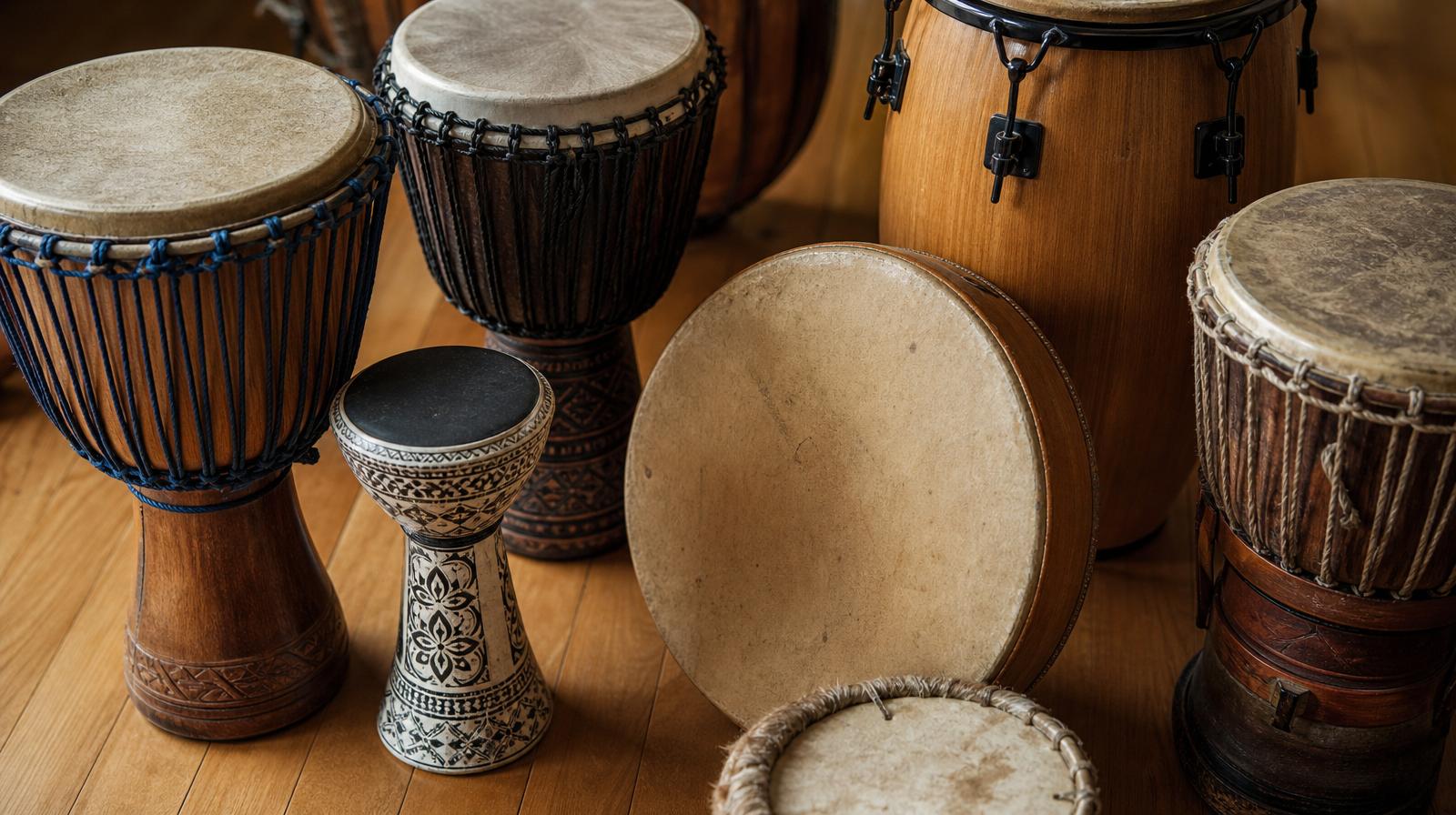
When a team sits in a circle—whether they are C-suite executives or entry-level interns—and picks up a djembe, conga, or shaker, the hierarchy disappears. What remains is a shared pulse. This is the essence of why corporate drum circles have become a staple for Fortune 500 companies and small startups alike.
Why Rhythm Works for Teams
At its core, a business operates much like an orchestra or a drum ensemble. Every department has a specific part to play, and if one person is out of sync, the entire output suffers. Corporate drum circles provide a literal, audible metaphor for this workplace dynamic.
Through various rhythm games and facilitated exercises, participants learn that listening is just as important as playing. When the group achieves 'entrainment'—that magical moment where everyone is locked into the same groove—the feeling of unity is visceral. It isn't just a theory discussed in a boardroom; it is an experience felt in the body.
Breaking Down Silos with the Djembe and Dunun
One of the biggest hurdles in corporate culture is the 'silo effect,' where departments fail to communicate effectively. In a drum circle, these barriers melt away. Unlike a seminar where people sit and listen, a drum circle requires active participation and real-time adjustment.
Facilitators often use instruments like the djembe for its sharp, clear tones, and the deep, grounding dununs to provide the heartbeat of the session. As the group moves through call-and-response patterns, they practice the fundamental skills of communication: sending a clear message and receiving it with focus. If you are looking to deepen your own skills before leading a group, you might consider connecting with drum teachers who specialize in polyrhythmic communication.
The Role of the Facilitator
A corporate drum circle is not a music lesson; it is a facilitated experience. The facilitator acts as a conductor, guiding the energy of the room without being a dictator. They use non-verbal cues to start, stop, and transition the music, teaching the team how to look for leadership signals and how to support one another during a 'solo.'
This process encourages 'rhythmic leadership,' where different team members take turns leading the beat. It builds confidence and teaches participants how to step into a leadership role—and how to be an effective supporter when someone else is taking the lead. For those interested in the professional side of this craft, many facilitators get their start at dedicated drum schools that offer programs in rhythm facilitation.
Benefits of Corporate Drum Circles
- Stress Reduction: Drumming is a scientifically proven stress-reliever. It lowers cortisol levels and releases endorphins, making it the perfect antidote to a high-pressure quarter.
- Inclusive Participation: You don't need to be a musician to participate. Whether someone is playing a complex pattern on a doumbek or keeping a steady beat on a woodblock, every contribution is valued.
- Enhanced Creativity: Stepping away from screens and into a rhythmic flow state opens up new neural pathways, often leading to 'aha!' moments that carry back to the office.
- Morale Boosting: There is nothing quite like the roar of fifty people hitting a final beat in perfect unison. The sense of collective achievement is a powerful morale booster.
Integrating Rhythm into Your Next Event
Corporate drum circles are incredibly versatile. They can be used as a 15-minute 'icebreaker' to kick off a conference, a 90-minute intensive team-building workshop, or even as part of multi-day drumming retreats designed for executive deep-dives.
When planning your event, consider the setting. While an indoor ballroom works well, an outdoor setting can add an extra layer of relaxation and inspiration. Ensure there is enough space for everyone to sit in a concentric circle, as the circular formation is vital for eye contact and the feeling of equality.
From the Circle to the Cubicle
The most important part of a corporate drum circle is the 'debrief.' This is where the facilitator helps the team translate their musical experience back into their professional roles.
Questions often include:
- What happened when we stopped listening to the bass drums?
- How did it feel when the tempo sped up, and how did we stay together?
- Who emerged as a natural leader during the free-form section?
By reflecting on these moments, teams walk away with more than just a fun memory; they leave with a tangible understanding of how to work better together. If you are ready to bring this energy to your organization, you can find professional facilitators and upcoming events that showcase the power of community rhythm.
Find a drum circle near you at /drum-circles.
Frequently asked
- Do employees need musical experience to participate in a corporate drum circle?
- Absolutely not. Corporate drum circles are designed for all skill levels, including total beginners. The facilitator provides simple instructions that allow everyone to contribute to the groove immediately, regardless of their musical background.
- How long does a typical corporate drumming session last?
- Sessions are flexible and can range from a 20-minute 'rhythm break' during a long meeting to a full 2-hour team-building workshop. Most organizers find that 60 to 90 minutes is the 'sweet spot' for deep engagement and meaningful reflection.
- What kind of instruments are used in these events?
- Facilitators typically provide a variety of hand drums like djembes, congas, and tubanos, along with smaller percussion instruments like shakers, cowbells, and woodblocks. This variety ensures that everyone can find an instrument they feel comfortable playing.
Find a drum circle near you
Browse hundreds of circles, teachers and rhythm community gatherings.
Explore drum circles