
Djembe Circle Guide: Mastering the Art of Community Rhythm
Discover the magic of a djembe circle, from essential etiquette and basic techniques to finding your place in the global community of rhythm.
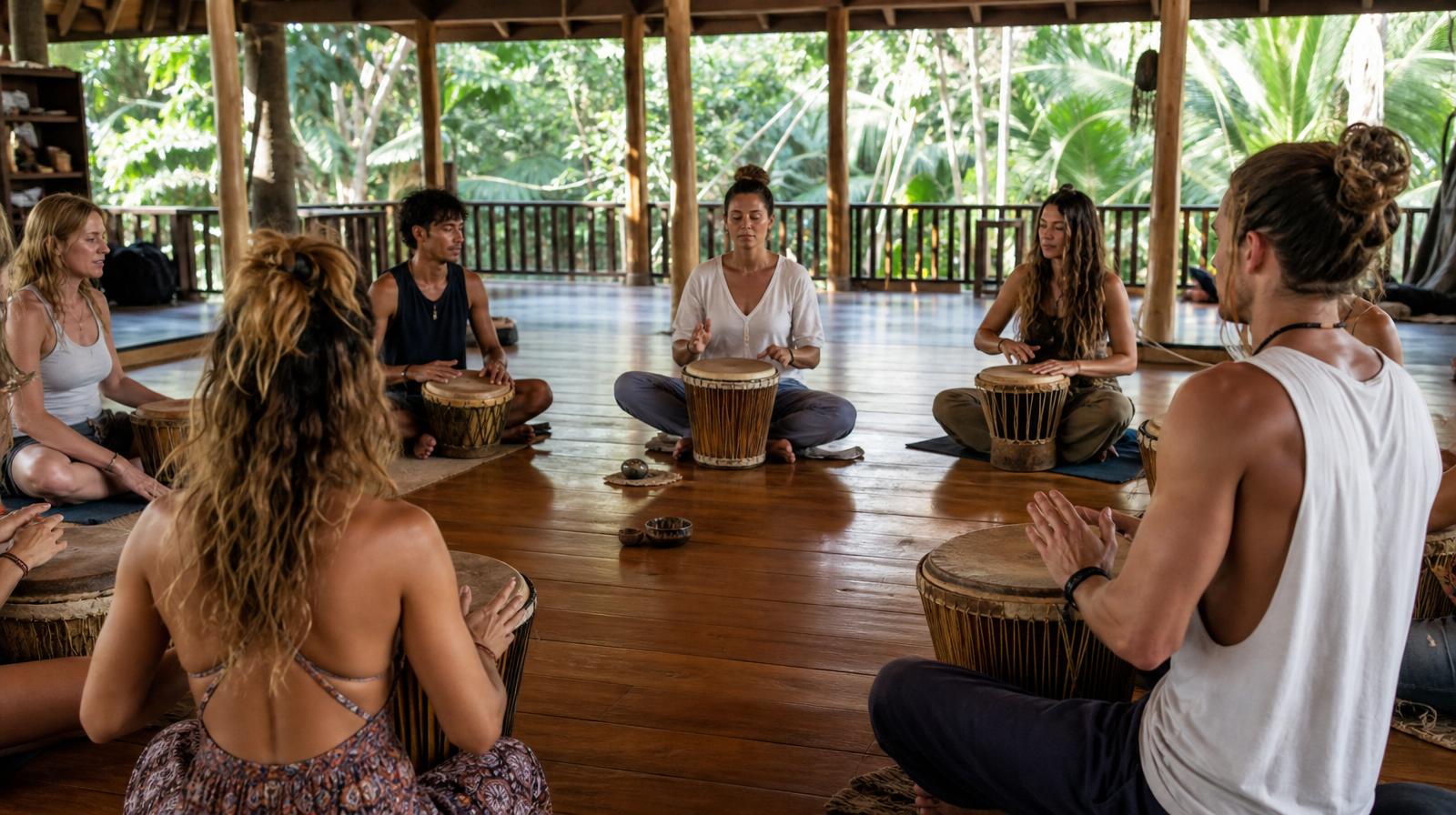
There is a specific kind of electricity that fills the air when dozens of hands strike goat-skin heads in unison. The djembe, perhaps the most iconic hand drum in the world, was born in West Africa—specifically among the Mandinka people—and its name famously translates to "everyone gather together in peace." Today, the djembe circle has become a global phenomenon, bridging cultures and creating a space where rhythm serves as a universal language.
Whether you are a seasoned percussionist or someone who just bought their first drum, stepping into a djembe circle can be both exhilarating and intimidating. This guide explores the heartbeat of these gatherings, the instruments involved, and how you can contribute to the collective groove.
The Heart of the Circle: What is a Djembe Circle?
A djembe circle is more than just a jam session; it is a collaborative rhythmic ecosystem. Unlike a formal concert where there is a clear divide between performer and audience, a drum circle invites everyone to participate. In these spaces, the djembe takes center stage due to its incredible dynamic range—capable of deep, resonant basses and sharp, cracking slaps.
In many traditional West African settings, djembe music is deeply tied to specific rituals, harvests, and celebrations. In modern community circles, the focus often shifts toward "facilitated" drumming, where a leader helps guide the energy, or "free-form" drumming, where the rhythm evolves organically based on the group's intuition.
Essential Instruments in a Djembe Circle
While the djembe is the star, a well-rounded circle usually features a supporting cast of instruments that provide the "ground" for the higher-pitched djembes to play over.
- The Djembe: The lead instrument, recognizable by its goblet shape. It offers three main sounds: the Bass (low), the Tone (medium), and the Slap (high).
- The Dunun (Dundun): These are the powerhouse bass drums of West African music. They are typically played with sticks and often have a bell attached to the top. The family includes the dununba (large), the sangban (medium), and the kenkeni (small).
- The Shekere: A dried gourd covered in a net of beads, providing a crisp, shaker-like texture that cuts through the loud drumming.
- Bell and Claves: These provide the steady time-keeping pulse that keeps the group from drifting off-tempo.
If you are looking to expand your collection or find a specific sound, checking out specialized drum schools can help you understand the nuances of these instruments.
Basic Techniques for Beginners
Before joining a circle, it is helpful to understand the three basic notes of the djembe. Proper technique not only makes you sound better but also protects your hands from injury.
- The Bass: Strike the center of the drum head with your full palm. Let your hand bounce off immediately to allow the drum to resonate.
- The Tone: Strike the edge of the drum with your fingers together and your palm slightly raised. The sound should be round and full.
- The Slap: This is the most difficult note. Strike the edge with your fingers relaxed, allowing the tips to "snap" against the skin. It should sound like a sharp crack.
Many beginners find that taking a few lessons from drum teachers helps them develop these sounds much faster than practicing alone.
Djembe Circle Etiquette: The Unwritten Rules
To ensure the circle remains a positive experience for everyone, there are a few "rules of the road" to follow:
- Listen as much as you play: The best drummers are those who can hear the entire group while they contribute their own part.
- Don't overplay: If you are a beginner, stick to a simple, steady pulse. You don't need to play complex solos to be a valuable part of the rhythm.
- Follow the facilitator: If someone is leading the circle, watch for their signals to start, stop, or change the volume.
- Ask before playing someone else’s drum: Instruments are often deeply personal. Always seek permission before trying out a drum that isn't yours.
- Leave space: Silence is a part of music. You don't have to play on every single beat; leaving gaps allows the rhythm to breathe.
The Benefits of Group Drumming
Participating in a djembe circle offers more than just musical growth. Studies have shown that group drumming can reduce stress, lower blood pressure, and boost the immune system. There is a profound sense of "entrainment"—where the brainwaves and heart rates of participants begin to synchronize.
For many, these circles are a form of active meditation. When the rhythm is locked in, the "monkey mind" goes quiet, and you become fully present in the moment. This is why so many people seek out drumming retreats to dive deeper into the practice away from the distractions of daily life.
Finding Your Rhythm Locally
Ready to join in? Djembe circles happen in parks, community centers, and yoga studios all over the world. Some are dedicated to traditional West African rhythms, while others are open, improvisational jams.
You can often find scheduled events listed in local community centers or through specialized directories. Whether it's a full-moon gathering on a beach or a weekly indoor session, the key is to show up with an open heart and a willingness to learn.
Find a drum circle near you at /drum-circles.
Frequently asked
- Do I need to own a drum to join a djembe circle?
- Not necessarily. Many community drum circles provide extra instruments or have a 'loaner' pile for newcomers. However, if you plan on attending regularly, investing in your own djembe is highly recommended so you can practice at home.
- Is a djembe circle the same as a drum jam?
- While similar, a djembe circle often focuses specifically on West African instruments and rhythms. A general drum jam might include drum kits, tambourines, and even electronic percussion, whereas a djembe circle usually maintains a more traditional acoustic vibe.
- How do I know if a circle is beginner-friendly?
- Most community circles are very welcoming to beginners. Look for keywords like 'community,' 'facilitated,' or 'all levels' in the event description. If a circle is for 'advanced Manding drumming,' it likely focuses on complex traditional arrangements that may be difficult for a first-timer.
Find a drum circle near you
Browse hundreds of circles, teachers and rhythm community gatherings.
Explore drum circles