Djembe Classes Near Me: Find Your Rhythm and Community
Discover how to find the perfect djembe teacher and transition from a curious beginner to a confident hand drummer in your local community.
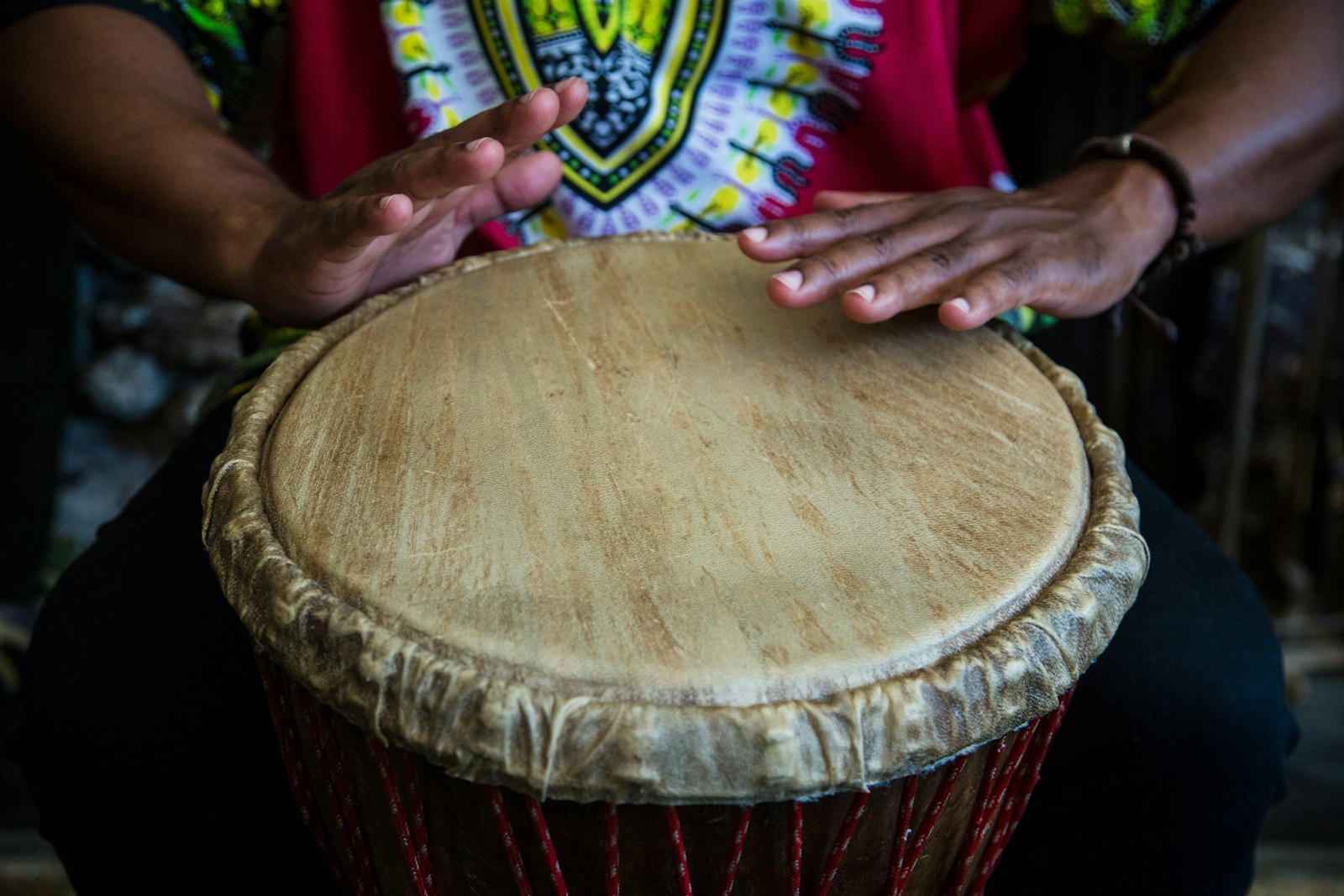
There is something primal and deeply fulfilling about the sound of a djembe. Originating from West Africa, specifically the Mandé people, the djembe is known as the "healing drum." Its name comes from the saying "Anke djé, anke bé," which translates to "everyone gather together in peace."
If you have been searching for "djembe classes near me," you aren't just looking for music lessons; you are looking for a way to connect—with yourself, with ancient traditions, and with a vibrant local community. This guide will help you navigate the journey from buying your first drum to finding the right teacher and joining your first circle.
Why Learn the Djembe?
Unlike many Western instruments that require years of theory before you can play a song, the djembe is accessible. Within your first hour of a drumming class, you can learn the three basic notes—bass, tone, and slap—and participate in a polyrhythmic groove.
Learning djembe offers more than just musical skill. It provides:
- Stress Relief: The physical act of drumming releases endorphins and helps ground the nervous system.
- Community: Drumming is rarely a solo activity. It’s about the conversation between the lead djembe, the accompaniment, and the heavy heartbeat of the dunun (bass drums).
- Cultural Appreciation: Studying djembe involves learning about the rhythms of the Malinke people, such as Kuku, Moribayassa, or Soli, and the stories they tell.
What to Expect in Your First Djembe Class
Walking into a studio for the first time can be intimidating, but djembe classes are famously welcoming. Most beginner classes follow a similar structure:
- The Warm-up: Simple hand-to-hand exercises to get the blood flowing and the skin conditioned.
- Technique Focus: The teacher will demonstrate the "Bass" (center of the drum), the "Tone" (edge with fingers together), and the "Slap" (edge with relaxed fingers).
- Call-and-Response: The teacher plays a phrase, and the students mimic it. This is the traditional way the djembe is taught.
- The Rhythm: You will likely learn a specific traditional rhythm, broken down into parts. One group might play a steady accompaniment while another learns a more complex pattern.
If you don't own an instrument yet, many drum teachers provide loaner drums for your first few sessions. Always ask ahead of time!
Finding the Right Djembe Teacher Near You
When searching for "djembe classes near me," it is important to look for quality instruction. Not all hand drummers are trained to teach the specific mechanics of the djembe, which is vital for preventing hand strain or long-term injury.
Look for teachers who:
- Understand Ergonomics: They should teach you how to tilt the drum between your knees to let the sound escape and how to keep your wrists relaxed.
- Respect the Tradition: A great teacher knows the names of the rhythms and the context in which they are played.
- Foster Inclusivity: The best classes feel like a family-friendly gathering where everyone from kids to seniors feels empowered to play.
Transitioning from the Classroom to the Drum Circle
Once you have a few classes under your belt, you might feel the itch to play more freely. This is where local drum circles come in. While a class is structured and academic, a drum circle is often more improvisational and community-driven.
In a community circle, you might see a mix of instruments: djembes, congas, doumbeks, frame drums, and various shakers. The skills you learn in a djembe class—like keeping a steady "heartbeat" pulse—will make you a valued member of any circle.
Essential Gear for the Aspiring Student
As you progress, you’ll eventually want your own drum. Here is what to look for:
- Size: A standard adult djembe usually has a head diameter of 12 to 14 inches.
- Material: Traditional drums are carved from a single piece of hardwood (like Lenke or Mahogony) with a goat skin head. Synthetic drums (like those made by Remo) are great for weather resistance and travel.
- Tuning: Most traditional djembes use a Mali weave rope system. Learning to tune your own drum is a rite of passage for many students.
Don't forget a padded bag! Protecting the skin of your drum from temperature changes and physical tears is essential if you plan on attending rhythm events or outdoor gatherings.
Advanced Learning: Retreats and Intensives
If you find yourself falling in love with the rhythm, you might want to go beyond a weekly one-hour class. Many students choose to attend drumming retreats where they can immerse themselves in the music for an entire weekend or even a week. These intensives often feature master drummers from West Africa and offer a deep dive into advanced soloing techniques and the complex interplay between the djembe and the dunun.
Tips for Beginner Success
- Listen More Than You Play: Pay attention to the pulse of the bass drums.
- Consistency Over Intensity: Practicing for 15 minutes a day is better for your hand calluses and muscle memory than one three-hour session.
- Record Your Lessons: With your teacher's permission, record the rhythms so you can practice along at home.
- Remove Jewelry: Always take off rings and bracelets before playing to protect both your hands and the drum head.
Finding the right community can change your life. Whether you are looking for a high-energy workout or a meditative rhythmic experience, the djembe is your gateway.
Find a drum circle near you and start your rhythmic journey today.
Frequently asked
- Do I need to own a drum to start djembe classes?
- Most instructors and drum schools offer 'loaner' drums for beginners to use during their first few classes. It is always best to contact the teacher beforehand to ensure they have enough instruments available for the session.
- Is the djembe hard on your hands?
- If played with the correct technique, djembe drumming should not be painful. A good teacher will show you how to use a 'rebound' stroke so you aren't hitting the drum with dead weight, which prevents bruising and strain.
- What is the difference between a djembe class and a drum circle?
- A djembe class is a structured environment led by a teacher focusing on technique and traditional West African rhythms. A drum circle is a more informal, often improvisational community gathering where people of all skill levels play together for fun and connection.
- How long does it take to learn the djembe?
- You can learn the basic notes and participate in a group groove in just one session. However, mastering the speed, clarity of slaps, and the vast library of traditional rhythms is a lifelong journey that many find incredibly rewarding.
Find a drum circle near you
Browse hundreds of circles, teachers and rhythm community gatherings.
Explore drum circles