
Mastering the Djembe Drum Circle: A Guide for Beginners and
Discover the vibrant world of the djembe drum circle, from essential techniques and rhythmic etiquette to finding your place in the community.
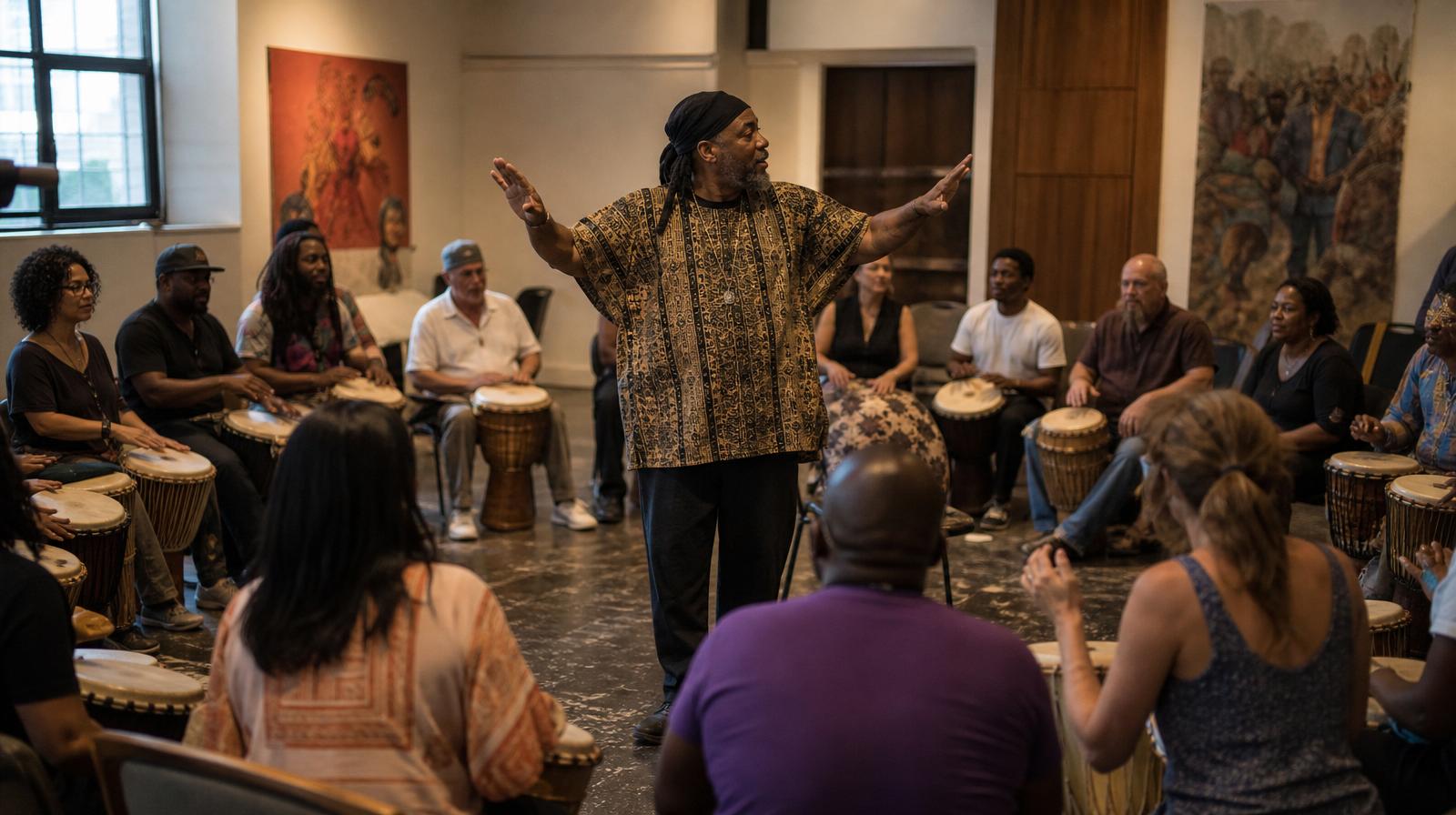
There is a specific kind of magic that occurs when twenty, fifty, or even one hundred djembe players strike the goatskin heads of their drums in unison. The djembe drum circle is more than just a musical performance; it is a living, breathing organism of sound. Originating from West Africa and now a global phenomenon, the djembe has become the heartbeat of community drumming.
Whether you are standing on a beach at sunset or sitting in a community center, the djembe offers a unique accessibility. Its wide range of tones—from the deep, grounding bass to the sharp, cracking slap—allows it to lead a rhythm or provide the foundational pulse for other instruments like the dunun or the bell.
The Anatomy of the Djembe in a Circle Setting
To participate effectively in a djembe drum circle, you first need to understand your instrument. The djembe is a goblet-shaped drum traditionally carved from a single piece of hardwood and topped with a rawhide skin (usually goat).
In a circle, the djembe serves as the primary voice. Because of its volume and projection, it can easily be heard over other percussion instruments. This makes it vital for players to understand the three basic notes:
- The Bass: Struck in the center of the drum with a flat palm, creating a low-frequency thud that provides the heartbeat.
- The Tone: Struck at the edge of the drum with fingers together, producing a full, round melodic sound.
- The Slap: Struck at the edge with relaxed fingers that rebound off the skin, creating a high-pitched, sharp crack.
Mastering these three sounds is the first step toward contributing meaningfully to the collective groove.
Essential Etiquette for the Djembe Drum Circle
While drum circles are often informal and welcoming, they thrive on a set of unwritten rules that ensure everyone has a positive experience. If you are new to the scene, keeping these tips in mind will help you blend in seamlessly.
Listen more than you play. When you first join a circle, don't immediately start a loud solo. Listen to the existing rhythm. Find the pulse. Once you feel the heartbeat of the group, enter quietly and build your volume gradually.
Support the foundation. Not everyone can be the lead drummer. A great djembe drum circle relies on players who are willing to hold down a steady, repetitive part. This "bottom" rhythm provides the safety net for others to explore and improvise.
Respect the facilitator. Many circles are led by a facilitator who uses hand signals to change the tempo, call for a stop (the "break"), or invite specific sections to play. Keep an eye on them to ensure the group stays cohesive.
Choosing the Right Djembe for Your First Circle
If you are looking to purchase your first drum, you may feel overwhelmed by the options. For a djembe drum circle, portability and sound quality are your primary concerns.
- Wood vs. Synthetic: Traditionalists prefer the warmth of hand-carved wood and goat skin. However, synthetic drums (like those made by Remo or Meinl) are lighter, more durable in humid weather, and easier to tune.
- Size Matters: A 12-inch diameter head is generally considered the standard full-size djembe. Smaller 10-inch drums are great for travel, while larger 14-inch drums offer massive bass but can be heavy to carry to events.
- Tuning: Rope-tuned drums (Mali weave) offer an authentic look, while key-tuned drums allow for quick adjustments with a wrench.
If you aren't ready to buy, many drum schools offer rentals or have extra instruments available for newcomers to use during class.
Finding Your Rhythm: Beginner Patterns to Practice
You don't need complex polyrhythms to enjoy a djembe drum circle. Most circles are built on simple 4/4 or 6/8 time signatures. A classic "heartbeat" rhythm (Bass-Tone-Tone) is often enough to keep you locked in for hours.
Try practicing the "Call and Response." This is a fundamental West African tradition where a leader plays a phrase and the group answers. It teaches you to stay alert and improves your rhythmic vocabulary. If you find yourself struggling, simplify. Even playing just the "1" (the downbeat) on the bass note is a valuable contribution to the group's energy.
Health and Wellness Benefits of Group Drumming
Beyond the music, the djembe drum circle is a powerful tool for wellness. Science has shown that group drumming can reduce stress, lower blood pressure, and boost the immune system. There is a physiological phenomenon called "entrainment," where the heart rates of the participants actually begin to synchronize with the beat of the drums.
For many, the circle is a form of active meditation. The repetitive nature of the rhythm quiets the mind, while the physical act of drumming releases endorphins. It is a space where social barriers dissolve, and people from all walks of life connect through a shared pulse.
Advancing Your Skills: Lessons and Retreats
Once you've caught the "drumming bug," you may want to move beyond the basic community circle. Seeking out professional drum teachers can help you correct your posture and technique, preventing strain on your wrists and back.
For those looking for a deeper immersion, drumming retreats offer the opportunity to study with master drummers in beautiful settings. These retreats often focus on traditional West African rhythms, teaching the specific djembe parts that accompany the dunun and traditional dances.
Conclusion: Join the Global Beat
The djembe drum circle is a celebration of human connection. It is one of the few places where a total beginner can sit next to a master and both can contribute something beautiful to the moment. Whether you are looking for a spiritual experience, a physical workout, or simply a way to meet new friends, the circle is waiting for you.
Find a drum circle near you by visiting our directory: Find a Drum Circle
Frequently asked
- Do I need to own a drum to join a djembe drum circle?
- Not necessarily. Many community circles are 'facilitated' and provide extra drums for newcomers, or have members willing to share. It is always best to check the event description on the Drum Circle Directory or contact the organizer beforehand to see if loaner instruments are available.
- Is a djembe drum circle the same as a jam session?
- While they share similarities, a drum circle is usually more inclusive and focused on community connection rather than performance. In a djembe drum circle, the goal is for the group to find a collective 'groove' together, whereas a jam session might focus more on individual solos and technical virtuosity.
- Does drumming hurt your hands?
- If played with the correct technique, drumming should not be painful. Beginners often hit the drum too hard or use improper hand positioning, which can lead to bruising. Learning the proper 'slap' and 'tone' techniques from a teacher will help you play for hours comfortably and safely.
Find a drum circle near you
Browse hundreds of circles, teachers and rhythm community gatherings.
Explore drum circles