Djembe Events Guide: Find Circles, Workshops, and Retreats
Discover the vibrant world of djembe events, from community drum circles to intensive masterclasses led by West African masters.
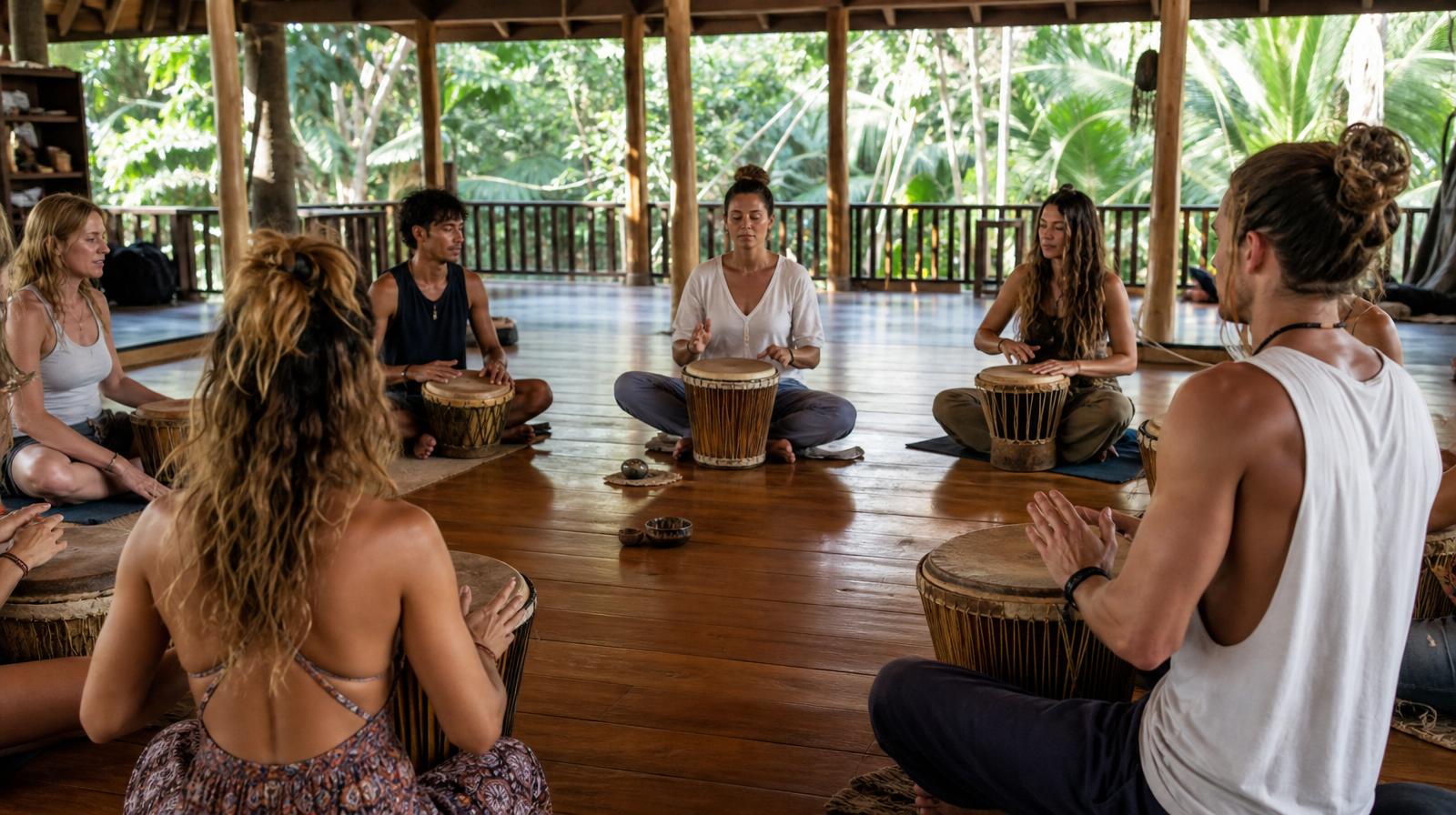
The djembe is more than just a drum; it is a vessel for community, healing, and expression. Originating from West Africa, this goblet-shaped instrument has traveled across the globe, sparking a massive movement of rhythmic gatherings. Whether you are a seasoned soloist or someone who just bought their first synthetic drum, finding the right djembe events is the key to unlocking your potential.
At Drum Circle Directory, we believe rhythm is a universal language. In this guide, we will explore the different types of events available, what to expect when you arrive, and how to find the perfect beat in your local area.
The Different Flavors of Djembe Events
Not all drumming gatherings are created equal. Depending on your goals—whether you want to learn traditional Malinké rhythms or simply de-stress after work—you will find several distinct types of events:
- Community Drum Circles: These are often informal, "come-as-you-are" gatherings. The focus is on spontaneous improvisation rather than specific traditional patterns. They are perfect for families and beginners.
- Traditional West African Workshops: Led by master drummers (often called Djembefolas), these sessions focus on the specific technique, history, and polyrhythms of regions like Guinea, Mali, and Senegal.
- Rhythm Retreats: These are multi-day immersive experiences, often held in nature, combining drumming with yoga, dance, and community building.
- Performance Showcases: Watching professional troupes perform with djembes and dununs (bass drums) can provide immense inspiration for your own practice.
What to Expect at Your First Djembe Workshop
If you are transitioning from a casual circle to a formal workshop, the environment will feel a bit different. Workshops are structured learning environments. You will likely sit in a semi-circle facing the instructor.
Most workshops begin with a warm-up to loosen the wrists and fingers. You will then practice the three primary sounds: the deep bass, the ringing tone, and the sharp slap. The instructor will then lead the group through a specific rhythm, often broken down into "parts" so that the group creates a layered, polyrhythmic soundscape.
If you don't have your own instrument yet, many drum schools offer rentals for their events, but it is always best to check in advance.
Finding Local Djembe Events and Communities
Locating a group can sometimes feel like finding a hidden tribe. However, the community is usually very welcoming once you find the door.
- Check Local Parks: Many community circles meet monthly at local parks or beaches, especially during full moons.
- Music Schools: Dedicated percussion studios often host weekend intensives.
- Holistic Centers: Because of the therapeutic benefits of drumming, many wellness centers include djembe sessions in their programming.
You can easily search for events in your specific region through our global database to see what is happening this weekend.
Preparing for a Drumming Retreat
For those looking to dive deep, drumming retreats offer a transformative experience. These events often take place over 3 to 7 days and allow for "rhythmic saturation."
When preparing for a retreat, consider the following:
- Hand Care: Bring shea butter or a dedicated hand salve. Hours of drumming can be tough on the skin.
- Tuning: Ensure your drum is tuned to a high, crisp tension before you arrive, or ask a professional to help you.
- Listening: Retreats are as much about listening as they are about playing. Bring a recording device (with permission) to capture the rhythms for later practice.
Djembe Etiquette: The Unwritten Rules
To ensure a positive experience for everyone at djembe events, keep these etiquette tips in mind:
- Ask Before Playing Someone Else's Drum: A djembe is a personal instrument. Always ask before you try out someone else's gear.
- Support the Pulse: In a community circle, don't try to play over everyone. Listen for the heartbeat and support it.
- Respect the Lead: If a facilitator or master drummer is leading a specific call-and-response, follow their cues. The "Call" is a specific rhythmic signal that tells the group when to start, stop, or change tempo.
- Remove Jewelry: Rings and bracelets can damage the skin of the drum and your own hands.
The Health Benefits of Group Drumming
Participating in djembe events isn't just fun; it's scientifically proven to be good for you. Group drumming has been shown to reduce cortisol levels, boost the immune system, and create a sense of social belonging. The resonance of the djembe, specifically, provides a physical vibration that many find meditative and grounding.
Whether you are looking for a drum teacher to refine your slap or a massive festival to lose yourself in the beat, getting involved in the djembe community is a life-changing decision.
Find a drum circle near you and start your rhythmic journey today.
Frequently asked
- Do I need my own drum to attend djembe events?
- Not necessarily. Many community circles and workshops provide 'loaner' drums for a small fee or for free. However, if you are attending a high-level masterclass or a multi-day retreat, you are usually expected to bring your own instrument.
- Are djembe events suitable for absolute beginners?
- Yes! Most community drum circles are specifically designed to be inclusive of all skill levels. If you are looking for a workshop, look for those labeled 'Intro' or 'Level 1' to ensure the pace is appropriate for someone just starting out.
- What should I wear to a djembe event?
- Wear comfortable, loose-fitting clothing that allows you to sit with a drum between your legs. Avoid wearing rings, watches, or large bracelets, as these can damage the drum head and cause injury to your hands during play.
Find a drum circle near you
Browse hundreds of circles, teachers and rhythm community gatherings.
Explore drum circles