Djembe Events Near Me: Finding Your Rhythm in the Drum
Discover the vibrant world of West African drumming and learn how to find the best djembe events, workshops, and community circles in your local area.
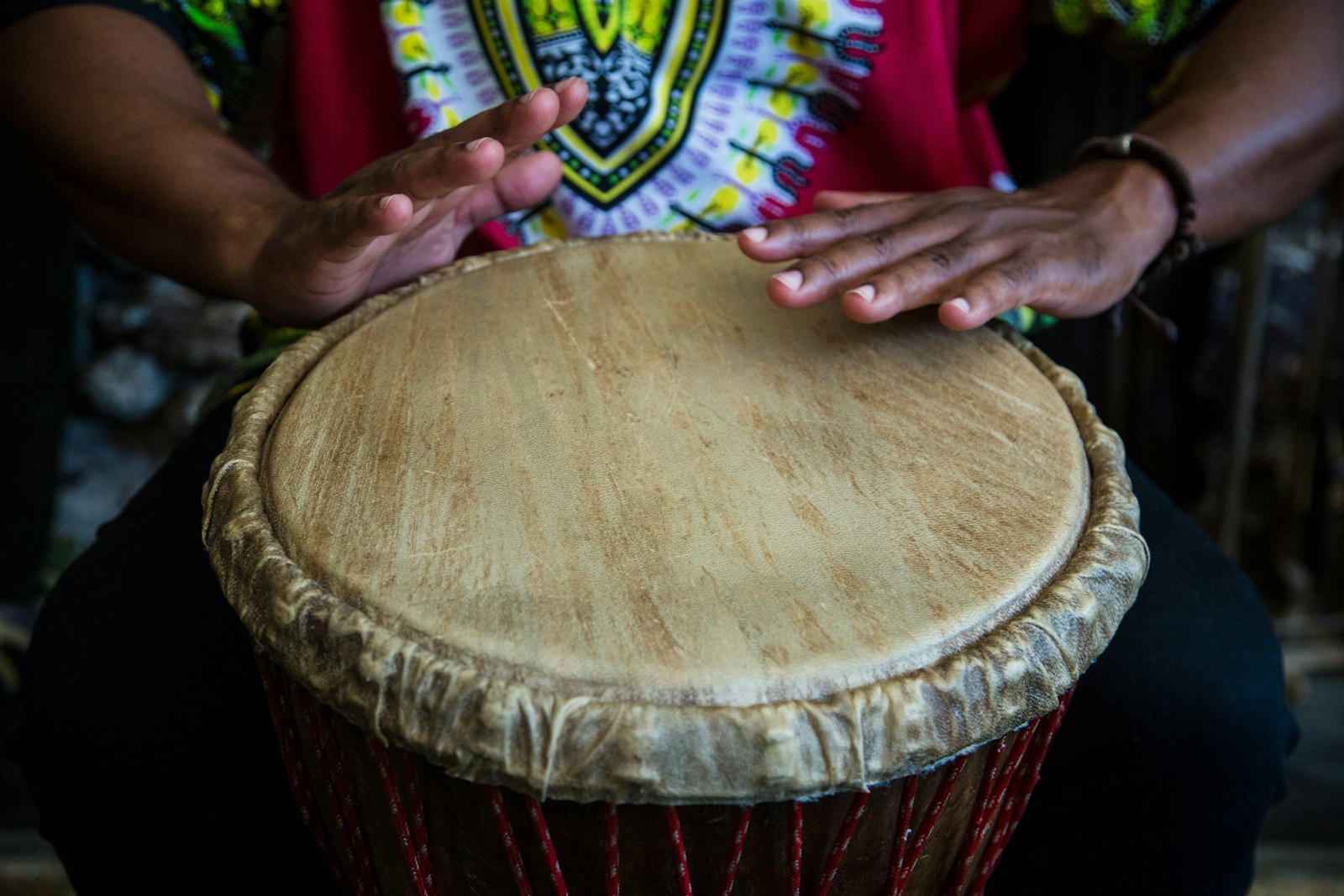
There is a specific, unmistakable magic that happens when a djembe—the 'healing drum' of the Mandinka people—speaks. Whether it is the sharp, cracking slap or the deep, resonant bass that vibrates through the soles of your feet, the djembe has a unique way of bringing people together. If you have been searching for "djembe events near me," you aren't just looking for a music performance; you are looking for a community.
Finding a local rhythm gathering can feel daunting if you don't know where to look. From informal full-moon beach circles to structured West African dance classes accompanied by live dununs, the world of hand drumming is diverse and welcoming. This guide will help you navigate the different types of events available and how to prepare for your first circle.
The Different Types of Djembe Gatherings
When searching for events, it helps to understand the variety of formats you might encounter. Not every drum event is the same, and choosing the right one depends on your goals.
- Community Drum Circles: These are often the most accessible. Usually held in parks, community centers, or on beaches, these gatherings focus on 'in-the-moment' music making. They are typically family-friendly and welcome all skill levels, from total beginners to seasoned pros.
- West African Traditional Workshops: If you want to learn the specific language of the djembe, look for workshops. Here, a lead drummer or drum teacher will teach traditional rhythms like Kuku, Soli, or Moribayassa. These events often include the dunun (bass drums) to provide the melodic foundation.
- Full Moon and Solstice Circles: These events lean into the spiritual and meditative aspects of drumming. They are often less about technical proficiency and more about connection, intention, and the natural cycles of the earth.
- Performance and Showcase Events: Sometimes, the best way to get inspired is to watch. Local drum schools often hold recitals or invite master drummers (Griots) from West Africa to perform.
What to Expect at Your First Djembe Event
Walking into a circle for the first time can be intimidating, but djembe players are among the most inclusive hobbyists you will ever meet. Most events follow a natural flow: a beginning where the pulse is established, a middle where the energy peaks, and a grounding finish.
In a community circle, the facilitator might use hand signals to guide the volume or tempo. In a traditional workshop, expect to spend time breaking down the three basic sounds of the djembe: the bass (the center of the skin), the tone (the edge with fingers together), and the slap (the edge with fingers relaxed).
Essential Djembe Etiquette for Newcomers
To have the best experience at djembe events near you, following a few simple unwritten rules will help you integrate smoothly into the rhythm:
- Ask Before You Play Someone Else's Drum: Most drummers are happy to let you try their instrument, but always ask first. A djembe is a personal tool, often with a goat-skin head that can be sensitive to rings or rough handling.
- Support the Pulse: It is tempting to play fast and loud, but the most valuable player is the one who holds a steady beat. Listen more than you play.
- Respect the Lead Drummer: If a facilitator or elder is leading a specific call-and-response, follow their lead. Avoid playing over the 'break' (the signal to stop or change rhythms).
- Remove Jewelry: Rings and bracelets can damage the drum head and hurt your hands. It's best to leave them in your bag.
Finding Djembe Events in Your Area
Digital resources have made it easier than ever to find your tribe. While a general search for "djembe events near me" is a great start, specialized directories offer more curated results.
You can browse our events calendar to see upcoming festivals and masterclasses. Local community boards, health food stores, and New Age bookstores often host flyers for smaller, grassroots circles that might not have a large online presence.
The Health and Social Benefits of Group Drumming
Why do people travel miles to attend these events? Science is beginning to catch up with what indigenous cultures have known for millennia. Group drumming reduces stress, lowers blood pressure, and boosts the immune system by increasing the activity of 'natural killer' cells that fight viruses.
Beyond the physical, there is the 'entrainment' factor. When we drum together, our brainwaves and heartbeats begin to synchronize. This creates a powerful sense of belonging and reduces feelings of isolation. Whether you are playing a djembe, a conga, or a simple frame drum, you are contributing to a collective voice.
Preparing Your Gear: Do You Need Your Own Drum?
Many beginner-friendly events offer 'loaner' drums. However, as you attend more local drum circles, you might want to invest in your own.
- Size Matters: A standard adult djembe usually has a 12" to 14" head diameter. Anything smaller might be a 'travel drum' which lacks the deep bass needed for a full circle sound.
- Synthetic vs. Skin: Synthetic heads (like those from Remo) are great for outdoor events because they don't lose their tune in humidity. Traditional goat-skin heads offer a warmer, more authentic 'woody' tone but require more maintenance.
Taking the Next Step: From Circles to Retreats
Once you've caught the rhythm bug at a local event, you might find yourself wanting a deeper immersion. This is where drumming retreats come in. These multi-day experiences allow you to step away from daily life and focus entirely on the drum, often featuring intensive study with master teachers in beautiful, natural settings.
Whether you are looking for a weekly hobby or a transformative life experience, the djembe is a gateway to a world of vibrant sound and community. Start small, listen closely, and let the rhythm lead the way.
Find a drum circle near you and join the community today!
Frequently asked
- Do I need to own a drum to attend a djembe event?
- Not necessarily. Many community drum circles and beginner workshops provide extra instruments for newcomers to use. However, it is always a good idea to check the event description or contact the organizer beforehand to ensure loaner drums are available.
- Are djembe events suitable for children?
- Most community drum circles are family-friendly and welcome children of all ages. Traditional workshops might have age recommendations depending on the complexity of the material, so look for 'all-ages' or 'family' tags when searching for events.
- What should I wear to a drum circle?
- Wear comfortable, loose-fitting clothing that allows you to sit with a drum between your legs. Avoid wearing rings, large bracelets, or watches, as these can damage the drum skin and cause discomfort to your hands while playing.
- I have no musical experience; can I still join?
- Absolutely. Djembe events are famous for being 'level-less' environments. Facilitators are skilled at giving beginners simple parts that support the overall sound, allowing you to contribute to the music from your very first day.
Find a drum circle near you
Browse hundreds of circles, teachers and rhythm community gatherings.
Explore drum circles