
Djembe for Sale: The Ultimate Guide to Finding Your First
Ready to join the rhythm? Learn how to choose a high-quality djembe that resonates with your soul and lasts a lifetime.
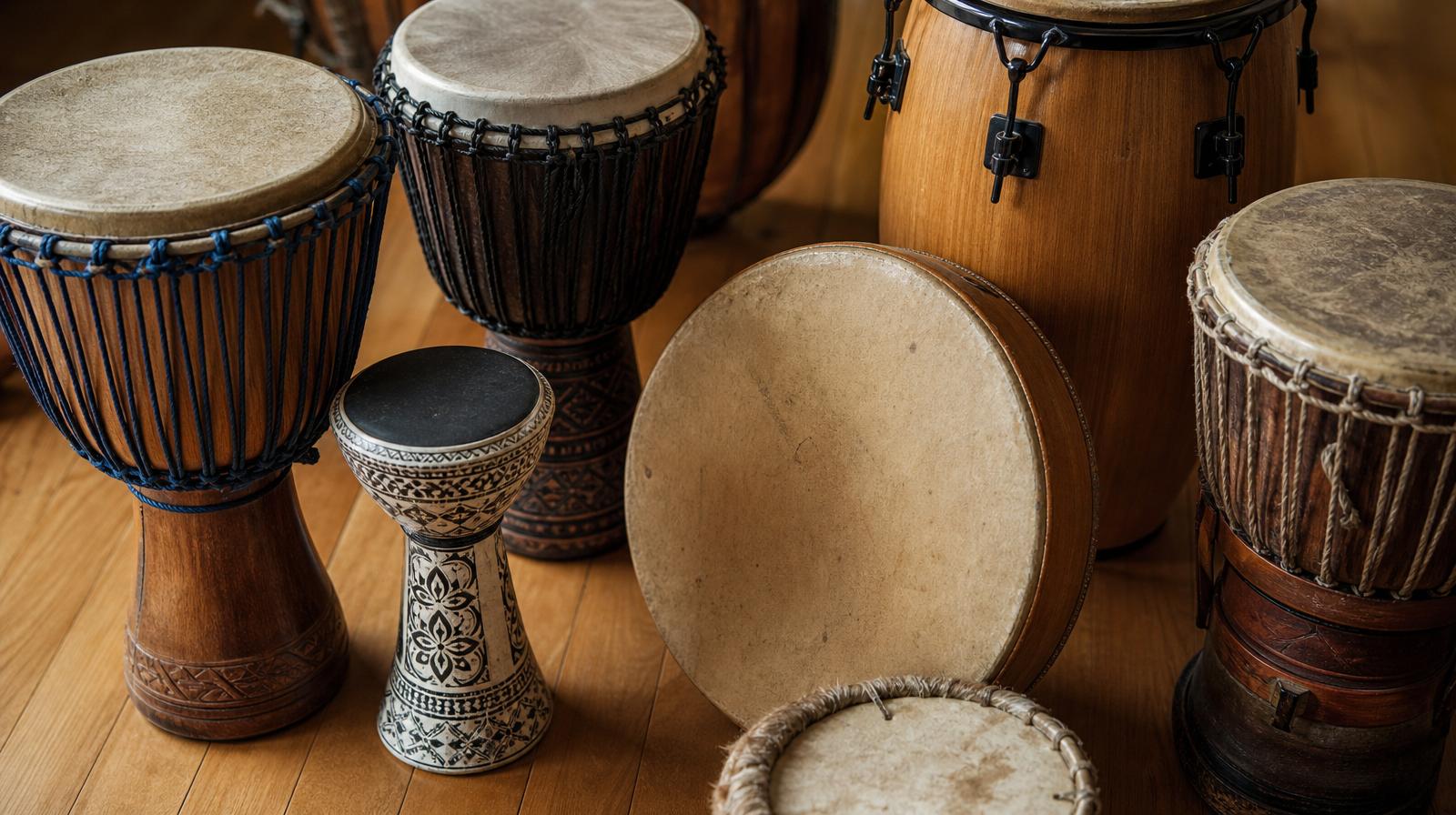
Stepping into your first drum circle is a transformative experience. The collective heartbeat, the vibration of the wood, and the shared smile between strangers create a sense of belonging unlike any other. But to truly find your voice in that circle, you need an instrument that speaks for you. If you are browsing every "djembe for sale" listing online, you might feel overwhelmed by the variety of sizes, materials, and price points.
Choosing a djembe is more than a transaction; it is the beginning of a relationship. Whether you are aiming to lead a full-moon gathering or simply want to practice meditative rhythms in your living room, this guide will help you navigate the nuances of selecting a high-quality West African drum.
Understanding the Anatomy of a Quality Djembe
Before you click "buy," it is essential to understand what makes a djembe a djembe. Originating from the Mandé people of West Africa, a traditional djembe is carved from a single log of hardwood. The most common woods used include Lenke, Iroko, Dugura, and Mahogony.
Each wood offers a different tonal profile. Lenke is often considered the "spiritual" wood, known for its balanced tones and incredible projection. When looking for a djembe for sale, check if the shell is carved from a solid piece of wood rather than slats. Slat-constructed drums (often found in mass-market music stores) lack the resonance and durability of a traditional solid-shell instrument.
Traditional Goat Skin vs. Synthetic Heads
The "voice" of your drum comes from the skin. Most traditional djembes feature raw, unbleached goat skin. This provides the classic warmth and the sharp, cracking "slap" sound that defines the instrument. Thick skins offer a deeper bass but require more hand strength, while thinner skins are easier for beginners to play but may lack longevity.
Synthetic heads, such as those made by Remo, are popular for players in humid climates or those who travel frequently to drumming retreats. While they don't have the same organic feel as goat skin, they stay in tune regardless of the weather. If you are a beginner, a traditional goat skin djembe is usually recommended to help you develop proper technique and ear training.
Finding the Right Size for Your Body
A common mistake when searching for a djembe for sale is buying a drum that is too small. While "travel djembes" (8-10 inch head diameter) are cute and portable, they lack the deep bass notes required for a full range of expression.
For most adults, a 12-inch to 14-inch head diameter is the sweet spot. This size allows your hands to move comfortably between the bass, tone, and slap positions without feeling cramped. The height of the drum should also allow you to sit comfortably with your feet flat on the ground while the drum is tilted slightly away from you. If you aren't sure which size fits your style, consider booking a few sessions with drum teachers who can offer hands-on advice.
Rope-Tuned vs. Key-Tuned Djembes
There are two primary ways to keep your djembe tight and sounding crisp:
- Rope-Tuned (Mali Weave): This is the traditional method. It uses high-tensile polyester rope to pull the skin tight over the bearing edge. Learning to "pull diamonds" (the process of tightening the rope) is a rite of passage for many drummers.
- Key-Tuned: These drums use metal lugs and bolts, similar to a drum kit or congas. They are very easy to tune with a wrench but are significantly heavier and lack the traditional aesthetic of a rope-tuned drum.
Most community drum circles prefer the look and sound of rope-tuned drums, as they carry the authentic spirit of the West African tradition.
Where to Shop: Ethical Sourcing Matters
When you see a djembe for sale at a price that seems too good to be true, it often is. Many mass-produced drums are made with unsustainable wood or under poor labor conditions. Look for reputable importers who work directly with artisans in Guinea, Mali, Ivory Coast, or Senegal.
Ethical sourcing ensures that the carvers are paid fairly and that the forests are respected. Furthermore, these professional-grade drums are usually "headed" (skinned) by experts who ensure the bearing edge is smooth and the skin is pulled to the correct tension. If you want to see these drums in action before buying, check out local events in your area to see what the pros are playing.
Preparing for Your First Circle
Once your new djembe arrives, the real journey begins. It’s important to learn the basic etiquette of the circle: listen more than you play, respect the pulse, and don't be afraid to make mistakes. If you find yourself struggling with the basic strokes, enrolling in one of the many drum schools can provide the foundation you need to play with confidence and prevent hand fatigue.
Remember, the djembe is a communal instrument. It was designed to bring people together, to celebrate, to heal, and to communicate. Your drum is a tool for connection.
Find a drum circle near you: /drum-circles
Frequently asked
- What is a good price for a beginner djembe?
- A high-quality, hand-carved beginner djembe typically ranges from $200 to $400. While you can find cheaper souvenir-style drums, they often lack the tonal range and durability needed for actual play.
- How do I know if a djembe is high quality?
- Look for a solid wood shell without cracks, a smooth bearing edge where the skin meets the wood, and high-quality non-stretch rope. The drum should have a distinct difference in sound between the deep bass center and the sharp outer slap.
- Does the type of wood really matter for a djembe?
- Yes, the density of the wood significantly impacts the sound. Hardwoods like Lenke or Mahogony provide better resonance and projection, whereas softer woods may produce a muffled or 'dead' sound.
Find a drum circle near you
Browse hundreds of circles, teachers and rhythm community gatherings.
Explore drum circles