Djembe Kurs: Your Ultimate Guide to Learning the West
Discover how a professional djembe kurs can transform your sense of rhythm and connect you with the vibrant world of West African percussion.
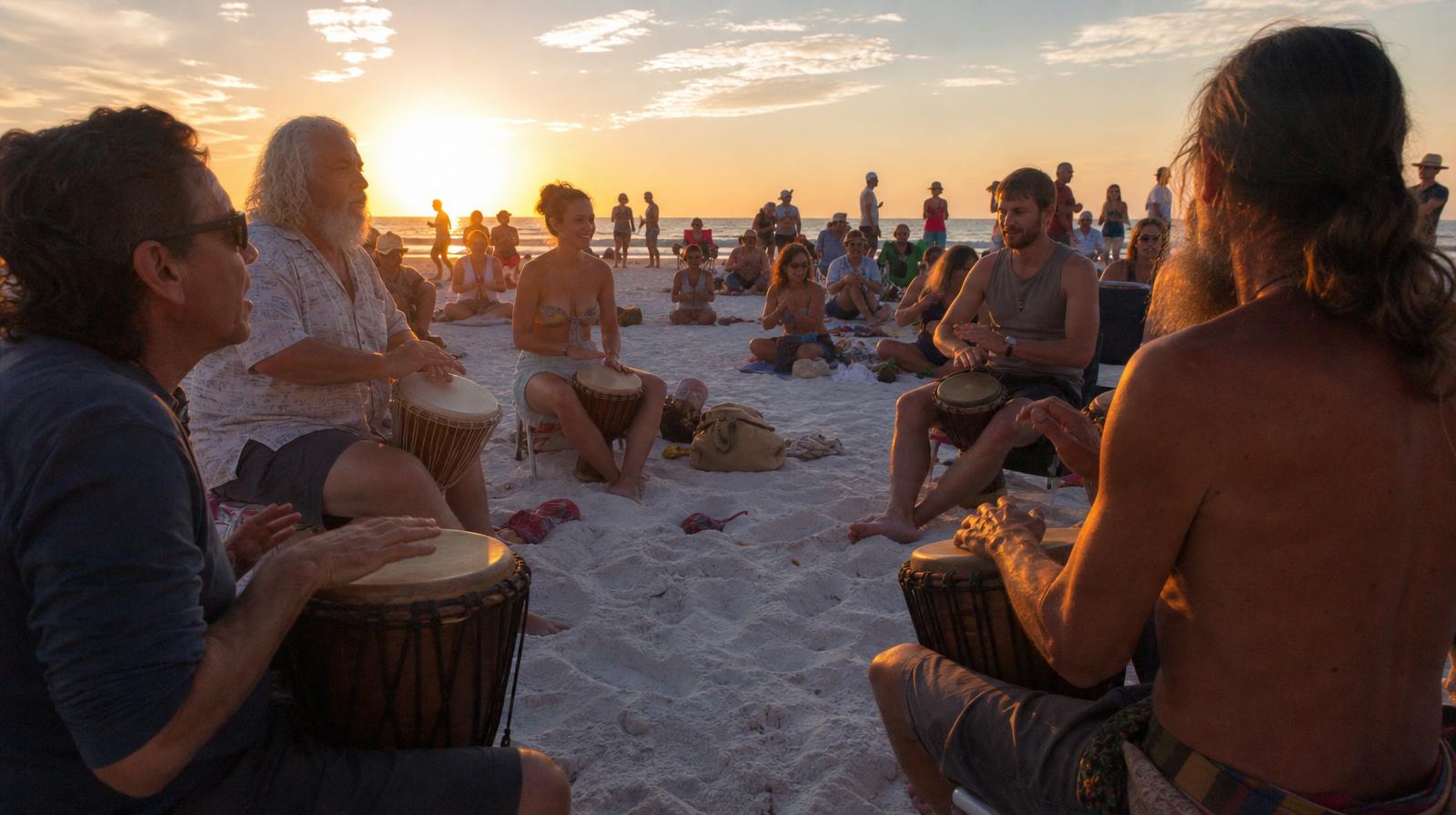
The djembe is more than just a musical instrument; it is a powerful tool for communication, celebration, and community building. Originating from West Africa—specifically the Mandinka people—the djembe has traveled across the globe, finding its way into modern drum circles, schools, and concert halls. If you are looking to join a djembe kurs (djembe course), you are embarking on a journey that balances technical skill with deep emotional expression.
Whether you are a complete novice or a percussionist looking to expand your repertoire, understanding the structure of a quality course and the fundamentals of the instrument is essential. In this guide, we will explore what to expect from your first lessons, the essential techniques you'll master, and how to find the right environment to grow as a drummer.
Why Join a Djembe Kurs?
While many people start by tapping along to videos online, there is no substitute for the hands-on instruction found in a structured djembe kurs. A live teacher can correct your posture, refine your hand placement, and help you feel the "groove" in a way that a screen simply cannot.
- Physical Technique: Learning the proper way to strike the skin prevents injury and ensures a clear sound.
- Cultural Context: A good course teaches the history and stories behind traditional rhythms like Kuku, Djole, or Moribayassa.
- Group Energy: Drumming is inherently social. Practicing with others helps you develop "big ears"—the ability to listen to the whole group while maintaining your own part.
- Stress Relief: The rhythmic vibration of the drum has a documented grounding effect, making it a popular choice for those seeking a creative outlet for wellness.
The Three Essential Strokes
Every djembe kurs begins with the three primary sounds. Mastering these is the foundation of all West African drumming. If you can master these three, you can play thousands of rhythms.
- The Bass: Played by striking the center of the drum with the full palm. It should produce a deep, resonant, and warm tone.
- The Tone: Played on the edge of the drum with the fingers together. The sound should be round and full, with the hand bouncing off the skin immediately to let the drum ring.
- The Slap: The most challenging stroke. Played on the edge with the fingers relaxed, creating a sharp, high-pitched "crack" similar to a whip.
In a professional drum school, your instructor will spend significant time ensuring your slaps and tones are distinct from one another. This clarity is what gives djembe music its melodic quality.
What to Expect in a Beginner Lesson
When you walk into your first djembe kurs, the atmosphere is usually welcoming and high-energy. Most classes follow a traditional structure to help students settle into the rhythm.
The Warm-Up
Lessons usually begin with simple hand-to-hand exercises. This loosens the wrists and prepares the muscles for the physical demands of drumming. You might practice simple "call-and-response" patterns, where the teacher plays a short phrase and the class repeats it back.
Learning the Rhythm
Once warmed up, the teacher will introduce a specific rhythm. In West African tradition, rhythms are often cyclical. You will learn the "accompaniment" parts first—the steady patterns that hold the groove together. More advanced students may eventually learn the lead parts or "breaks" (signals that tell the group when to start, stop, or change tempo).
The Role of the Dununs
In many authentic courses, you won't just hear djembes. You will also hear the dunun (or dundun) family of drums: the dundunba (large/bass), sangban (medium), and kenkeni (small). These cylindrical, double-headed drums provide the melodic and rhythmic heartbeat that the djembes play over.
Finding the Right Djembe Teacher
Not all drummers are teachers. When searching for a drum teacher, look for someone who emphasizes both technique and the spirit of the music. A great instructor should be able to break down complex polyrhythms into manageable pieces.
Ask potential teachers about their lineage: Who did they study with? Do they have a connection to the West African masters? While you don't need to be a professional to enjoy a djembe kurs, learning from someone who respects the tradition ensures you are getting an authentic experience.
Essential Gear for Your Course
While most schools provide drums for beginners, eventually you will want your own. Here is what to look for when purchasing your first djembe:
- Shell Material: Traditional djembes are carved from a single piece of hardwood (like Lenke or Iroko). Synthetic shells are lighter and more durable for travel but lack the traditional warmth.
- Skin: Most authentic djembes use goat skin. Ensure the skin is free of nicks or thin spots.
- Tuning: The drum is tuned using a complex system of ropes (the Mali weave). Your teacher can show you how to pull "diamonds" to tighten the skin and raise the pitch.
- Size: For adults, a drum with a 12-inch head diameter is standard. Make sure it feels comfortable between your knees.
Taking Your Skills Beyond the Classroom
Once you’ve gained confidence in your djembe kurs, it’s time to take your drumming into the community. Many students find that drumming retreats are a fantastic way to immerse themselves in the culture, often spending a week or more drumming in nature with master facilitators.
You can also look for local events like full-moon gatherings or family-friendly circles where the focus is less on perfect technique and more on the joy of shared rhythm.
Conclusion: Your Path to Rhythm
Starting a djembe kurs is the first step toward a lifelong passion. It builds coordination, fosters community, and connects you to an ancient musical heritage. Whether you want to play for your own well-being or perform on stage, the djembe offers a voice to everyone.
Ready to start your journey? Find a drum circle near you and discover the power of the beat.
Frequently asked
- Do I need to own a drum to start a djembe kurs?
- Most beginners do not need to own a drum immediately. Many drum schools and teachers provide instruments for rent or use during class. It is often better to wait until you have learned the basics before purchasing your own djembe so you know what size and sound you prefer.
- How long does it take to learn the djembe?
- You can learn the basic strokes and a simple rhythm in a single afternoon. However, mastering the clarity of the slap and the complex polyrhythms of West Africa is a lifelong journey. Most students feel comfortable participating in a community circle after 3 to 6 months of regular lessons.
- Is djembe drumming hard on the hands?
- It can be if your technique is incorrect. A professional djembe kurs will teach you how to strike the drum without tension. By using proper form and not over-striking, you can drum for hours without pain. Building up 'drumming calluses' is a natural part of the process for regular players.
- Can children join a djembe kurs?
- Absolutely! Djembe is a very accessible instrument for children because it is intuitive and physical. Many teachers offer family-friendly classes that focus on games and simple patterns, making it a wonderful way for kids to develop motor skills and social cooperation.
Find a drum circle near you
Browse hundreds of circles, teachers and rhythm community gatherings.
Explore drum circles