Djembe Lessons in Your City: A Guide to West African
Discover the rhythm of West Africa through local djembe lessons. From mastering the slap to joining your first community circle, here is everything you need to know.
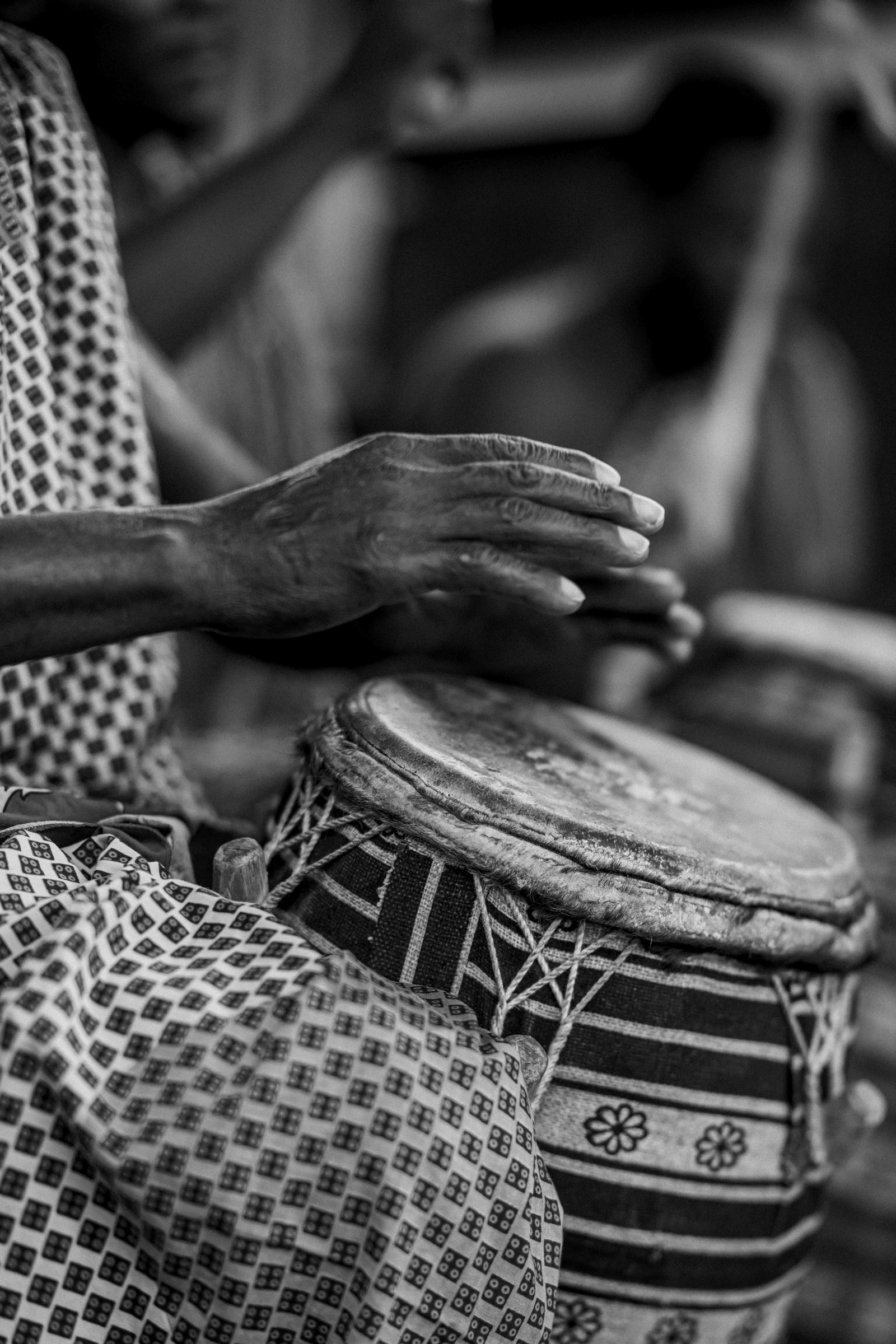
There is something primal and deeply satisfying about the sound of a djembe. Originating from the Mandé people of West Africa, this goblet-shaped drum is more than just a musical instrument—it is a vessel for storytelling, community building, and healing. Whether you have seen a drum circle at a local park or heard the thunderous bass of a professional ensemble, you may find yourself wondering how to start your own rhythmic journey.
Finding quality djembe lessons in your city is the first step toward mastering this versatile instrument. But before you pick up the sticks (or in this case, use your hands), it is essential to understand what makes djembe drumming unique and how to find the right environment for your learning style.
Why Start Djembe Lessons?
Unlike many Western instruments that require years of theory before you can play a satisfying note, the djembe is accessible. Within your first few lessons, you can learn the three basic sounds—bass, tone, and slap—and participate in a rhythmic dialogue.
Learning the djembe offers numerous benefits:
- Physical Coordination: Drumming engages your core, arms, and hands, while improving bilateral coordination.
- Stress Relief: The repetitive nature of rhythm acts as a form of active meditation.
- Cultural Connection: You aren't just hitting a drum; you are learning a rich history of West African traditions and rhythms like Kuku, Moribayassa, and Djole.
- Social Bonding: Drumming is rarely a solo activity. It is a gateway to meeting like-minded people in your local community.
Finding the Right Djembe Teacher
When searching for djembe teachers, look for someone who respects the tradition of the instrument. A great teacher doesn't just show you where to hit the skin; they explain the context of the rhythm and the proper ergonomics to prevent injury.
In your city, you might find different types of instruction:
- Private Lessons: Best for those who want to focus on technical precision and personalized feedback.
- Group Classes: Ideal for learning how to hold a beat while others play polyrhythms. This is where most students find their rhythm family.
- Community Workshops: Often hosted at drum schools or community centers, these are great for trying out the instrument before committing to a long-term course.
The Three Essential Sounds of the Djembe
Every djembe lesson will revolve around mastering the three primary strikes. Your teacher will emphasize hand placement and the "rebound" effect, ensuring the drum speaks clearly without hurting your hands.
- The Bass: Played by striking the center of the drum with the full palm. It should produce a deep, resonant thud.
- The Tone: Played at the edge of the drum with fingers together. The sound should be round and full, higher in pitch than the bass.
- The Slap: The most challenging stroke. It is played at the edge with a relaxed hand, creating a sharp, cracking sound that cuts through the mix.
Mastering these sounds takes time. Don't be discouraged if your slaps sound like tones for the first few weeks—consistency is key.
What to Expect in a Beginner Djembe Class
A typical beginner class in your city will likely follow a traditional structure. You will start with a warm-up to loosen the wrists and shoulders. The instructor may then lead a call-and-response exercise, where they play a short phrase and the class repeats it back.
From there, you will learn a specific rhythm. This usually involves the "lead" djembe part and the supporting parts. You might also be introduced to the dunun (or dundun)—the set of three cylindrical drums (dundunba, sangban, and kenkeni) that provide the melodic heartbeat of West African music. Learning how the djembe interacts with the dunun is crucial for understanding the full polyrhythmic structure.
Moving Beyond the Classroom: Community Circles
Once you have a few lessons under your belt, the best way to sharpen your skills is to play with others. Many cities host family-friendly circles and full-moon gatherings where drummers of all levels meet to share rhythm.
These events are less about formal instruction and more about "the groove." It is the perfect place to practice your timing and listen to how different instruments, like the conga, doumbek, or frame drum, blend together. Remember to follow basic drum circle etiquette: listen more than you play, and always ask before playing someone else's drum.
Investing in Your First Djembe
Your teacher will likely provide a drum for your first few lessons, but eventually, you will want your own. When shopping for a djembe, consider the following:
- Shell Material: Traditional djembes are carved from a single piece of hardwood (like Lenke or Mahogony). Synthetic shells are lighter and more weather-resistant but lack the traditional warmth.
- Head Type: Goat skin is the standard for djembe. It provides the most authentic sound but requires tuning as the weather changes.
- Size: A standard adult djembe usually has a 12-inch diameter head. Ensure the drum is tall enough that you can sit comfortably without slouching.
Taking Your Practice to the Next Level
If you find yourself falling in love with the rhythm, consider immersing yourself further. Many students eventually seek out drumming retreats where they can spend a week or more studying with master drummers (Djembefolas) in a nature-focused setting. These experiences can fast-track your playing and provide a deep spiritual connection to the music.
Whether you are looking for a new hobby or a deep cultural connection, taking djembe lessons in your city is a life-changing decision. The rhythm is waiting for you—all you have to do is take the first beat.
Find a drum circle near you and start your journey today!
Frequently asked
- Do I need to own a drum to start djembe lessons?
- No, most teachers and drum schools provide instruments for beginners to use during class. It is actually better to wait until you have taken a few lessons so your teacher can advise you on what size and type of djembe is best for your body and budget.
- How long does it take to learn the djembe?
- You can learn the basic hits and a simple rhythm in your very first lesson. However, mastering the clarity of your slaps and the speed of traditional West African rhythms usually takes several months of consistent weekly practice and group play.
- Is djembe drumming hard on the hands?
- It can be if you use incorrect technique. A good instructor will teach you how to strike the drum using a relaxed 'rebound' motion rather than hitting through the head, which prevents bruising and long-term joint issues.
- What is the difference between a drum circle and a djembe class?
- A djembe class is instructional and focuses on specific West African rhythms and techniques. A drum circle is usually a community-led, improvisational gathering where the focus is on collective vibration and social connection rather than formal learning.
Find a drum circle near you
Browse hundreds of circles, teachers and rhythm community gatherings.
Explore drum circles