Djembe Lessons: A Master Guide to Starting Your Drumming
Discover how to master the West African djembe with our expert guide on finding the right lessons, perfecting your technique, and joining the global rhythm community.
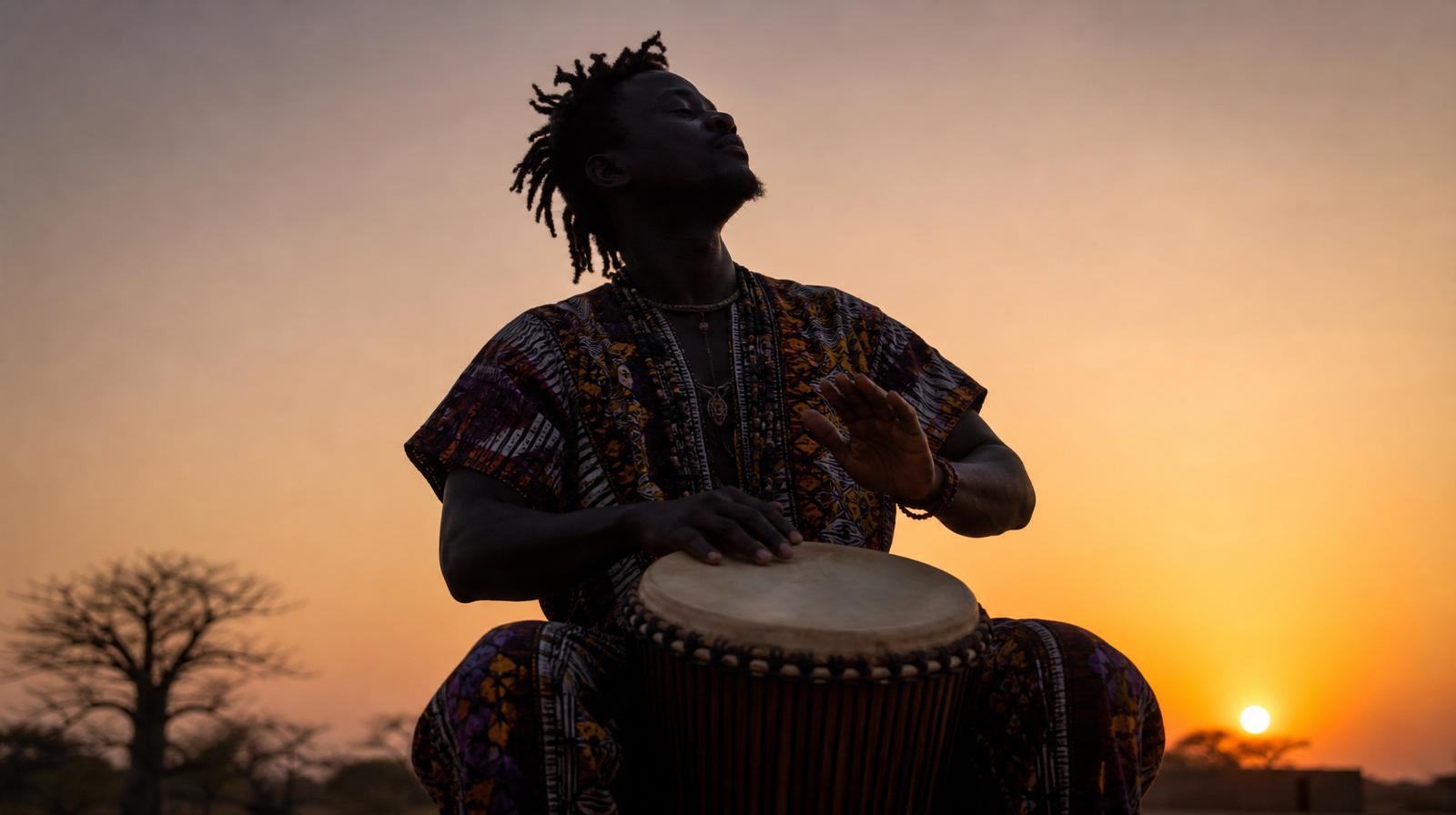
The djembe is more than just a musical instrument; it is a heartbeat. Originating from West Africa, specifically the Mandé people of Mali, Guinea, and Senegal, the djembe has traveled across oceans to become the most popular hand drum in the world. Whether you are drawn to the thunderous bass or the crisp, high-pitched slaps, taking djembe lessons is the first step toward unlocking a lifetime of musical expression.
In this guide, we will explore what to expect from your first lessons, how to choose the right instructor, and the fundamental techniques that will set you up for success in any drum circle.
Why Start Djembe Lessons?
Many people begin their drumming journey by picking up a drum and hitting it instinctively. While this is a wonderful way to connect with the instrument, formal djembe lessons provide the structural foundation needed to play without injury and with authentic sound.
Learning from a seasoned professional helps you understand the cultural context of the rhythms you are playing. You aren't just hitting a goat-skin head; you are participating in a tradition that dates back centuries. Lessons also introduce you to the concept of "polyrhythm"—the layering of different beats that creates the infectious groove found in West African music.
Choosing the Right Learning Path
There is no single "right" way to learn the djembe, but there are several paths depending on your goals:
- Private Drum Teachers: One-on-one instruction is the fastest way to improve. A teacher can physically correct your hand posture and tailor exercises to your specific pace. You can find experienced mentors through our directory of drum teachers.
- Group Classes and Workshops: Drumming is inherently social. Group lessons allow you to practice "call-and-response" patterns and learn how your part fits into the larger ensemble.
- Online Courses: For those in remote areas, digital lessons offer flexibility. However, nothing replaces the real-time feedback of an in-person instructor.
- Drumming Schools: If you are looking for a deep dive, specialized drum schools offer curriculum-based learning that covers history, technique, and performance.
The Three Fundamental Sounds
Every djembe lesson starts with the three basic notes. Mastering these is essential before moving on to complex rhythms:
- The Bass: Played by striking the center of the drum with the full palm. It should produce a deep, resonant, and warm sound.
- The Tone: Played at the edge of the drum with the fingers together. The sound should be round and full, with a higher pitch than the bass.
- The Slap: The most challenging note to master. It is played at the edge with a relaxed hand, allowing the fingertips to "snap" against the skin. It should sound like a sharp crack.
Understanding the distinction between these three sounds is what separates a beginner from an intermediate player.
What to Look for in an Instructor
When searching for djembe lessons, look for an instructor who emphasizes ergonomics. Playing with incorrect form can lead to wrist pain or carpal tunnel issues. A good teacher will show you how to tilt the drum between your knees using a strap or a stand to ensure the bottom hole (the sound port) is open, allowing the air to move freely.
Furthermore, ensure they respect the lineage of the music. A great teacher doesn't just teach the "how" but also the "why," explaining the origins of rhythms like Kuku, Soli, or Moribayassa.
Practice Habits for Rapid Progress
Consistency beats intensity every time. Spending 15 minutes a day on your djembe is far more effective than a three-hour marathon once a week. Focus on your "internal clock" by practicing with a metronome. This helps you develop a steady pulse, which is vital when you eventually join events and play alongside other percussionists like dunun (bass drum) players.
Try recording yourself. Listening back to your playing helps you identify if your tones and slaps are distinct or if they are beginning to sound too similar—a common hurdle for beginners.
From the Classroom to the Circle
The ultimate goal for many students taking djembe lessons is to participate in a community gathering. Drum circles are the perfect environment to test your skills, build stamina, and connect with others. While lessons provide the technical toolkit, the circle provides the soul.
When you feel ready, find a drum circle near you to share the joy of rhythm with your local community.
Find a drum circle near you at Drum Circle Directory.
Frequently asked
- Do I need to own a drum before starting djembe lessons?
- Not necessarily. Many teachers and schools provide drums for students to use during their first few sessions. However, having your own drum at home allows for consistent practice, which is key to muscle memory development.
- How long does it take to learn the djembe?
- While you can learn basic rhythms in a single afternoon, mastering the djembe is a lifelong journey. Most students feel comfortable participating in a basic drum circle after 3 to 6 months of regular lessons and practice.
- Is the djembe hard on your hands?
- It can be if you use incorrect technique. Proper djembe lessons focus on a relaxed hand position and using the weight of the arm rather than raw force, which prevents bruising and long-term injury.
Find a drum circle near you
Browse hundreds of circles, teachers and rhythm community gatherings.
Explore drum circles