Djembe Lessons Near Me: Find Expert Drum Teachers & Schools
Ready to master the heartbeat of West Africa? Discover how to find the best local djembe lessons and start your rhythmic journey today.
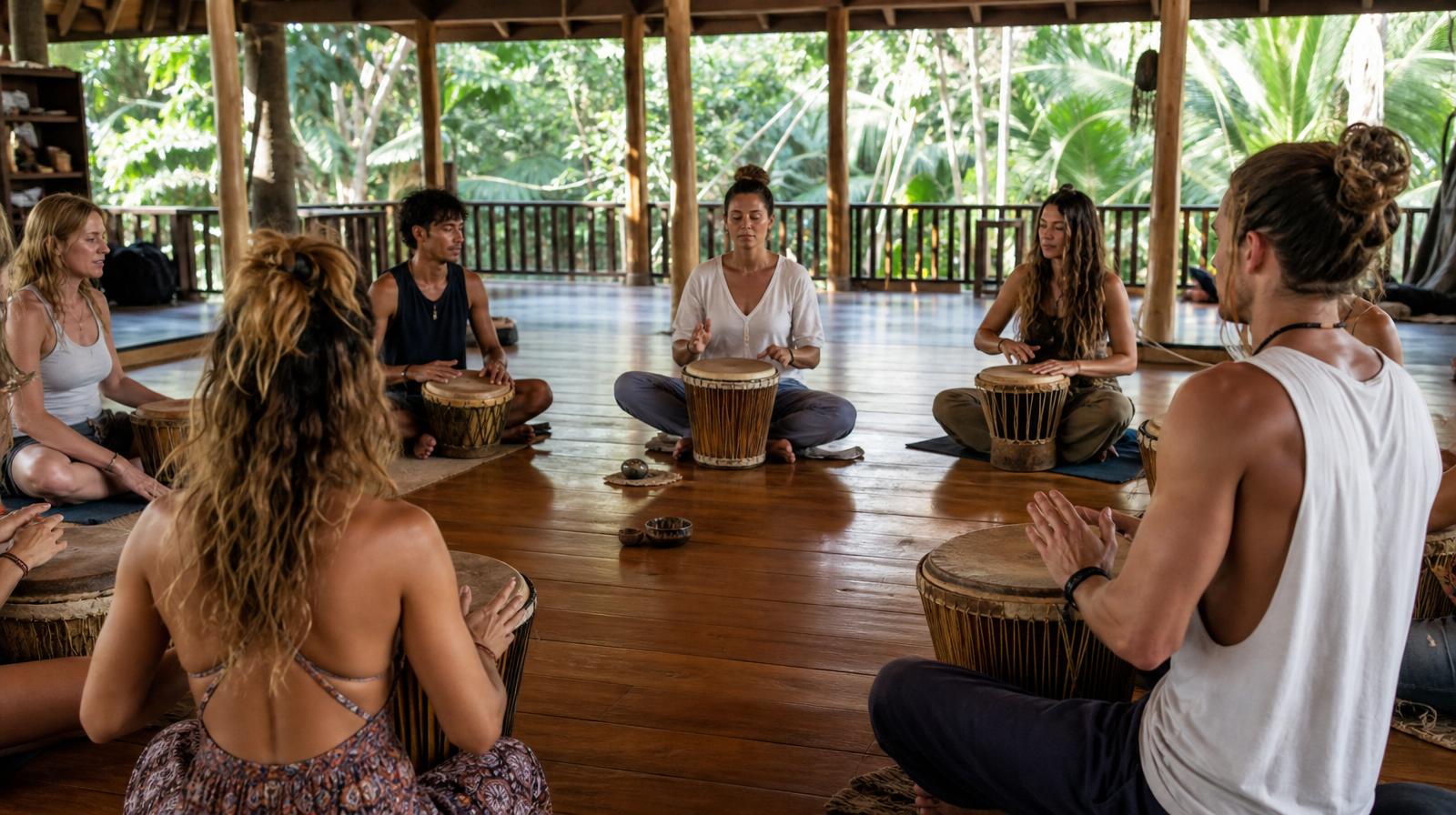
There is a specific kind of magic that happens the moment your hands first strike the goat-skin head of a djembe. It’s more than just a sound; it’s a vibration that connects you to an ancient lineage of rhythm, community, and expression. If you have been searching for "djembe lessons near me," you are likely ready to move beyond casual tapping and into the structured, soulful world of West African percussion.
Finding the right teacher is the most important step in your drumming journey. Whether you are looking to master the crisp "slap" sound, understand the complex polyrhythms of the Mali Empire, or simply find a way to de-stress after work, local instruction provides the feedback and community that a YouTube video simply cannot.
Why Seek Professional Djembe Instruction?
While the djembe is often seen as an accessible "entry-point" instrument, it is also a highly technical one. Without proper guidance, beginners often struggle with hand positioning, leading to muffled sounds or, worse, repetitive strain injuries in the wrists and palms.
Professional djembe lessons offer several key benefits:
- Proper Technique: Learn the three fundamental notes—Bass, Tone, and Slap—with the correct hand shape to produce a clear, resonant sound.
- Cultural Context: The djembe is the "healing drum." A qualified teacher will share the history of the rhythms, such as the Kuku (a fishing rhythm) or Soli (a rite of passage rhythm).
- Rhythmic Accuracy: Mastering the timing of the dunun (the bass drums that accompany the djembe) is essential for understanding how the ensemble fits together.
- Community Connection: Often, your teacher is the gateway to the local drumming events and community gatherings.
How to Find the Best Djembe Lessons Near You
When you start your search, you aren't just looking for a drummer; you are looking for a mentor. Here is how to narrow down the best options in your local area.
1. Check Dedicated Drum Schools
Many cities have specialized drum schools that focus specifically on world percussion. these institutions often offer tiered classes ranging from "Absolute Beginner" to "Advanced Ensemble." The benefit of a school is the structured curriculum and the opportunity to play alongside other students of your level.
2. Seek Out Private Drum Teachers
If you have a busy schedule or specific goals, a private tutor is often the best route. Private drum teachers can tailor their lessons to your pace, focusing on your specific ergonomic needs and helping you troubleshoot your technique in real-time. Look for teachers who have studied in West Africa or have extensive experience in traditional ensembles.
3. Visit Local Music Shops
Not the big-box retailers, but the independent world music shops. These are often the hubs of the local rhythm community. Check their bulletin boards for flyers or ask the staff for recommendations on who is teaching djembe in the neighborhood.
What to Expect in Your First Lesson
Your first djembe lesson is an exciting milestone. You don't usually need to own a drum to start; most teachers and schools provide "loaner" djembes for the first few sessions. Here is what a typical introductory lesson looks like:
- The Posture: You will learn how to tilt the drum forward between your knees to allow the air (and sound) to escape from the bottom.
- Hand Placement: You’ll practice the "call-and-response" method, where the teacher plays a short phrase and you mimic it back.
- The Basic Pulse: You will likely spend time finding the "heartbeat" of a rhythm, learning to keep a steady beat while others play embellishments.
- Listening Skills: Drumming is 50% playing and 50% listening. You will learn to hear the signals (the "break") that tell the group when to start, stop, or change tempo.
Group Classes vs. Private Lessons
One of the most common questions for those looking for djembe lessons near them is whether to join a group or go solo.
Group Classes are the traditional way the djembe is learned. Because African drumming is inherently social, playing in a group helps you understand how the different parts of a rhythm (the accompaniment and the lead) interact. It is also a great way to meet people and find your way into local drum circles.
Private Lessons are ideal for those who feel self-conscious or have specific technical hurdles. If you are an experienced musician in another genre (like a kit drummer or a pianist) looking to cross-train, private instruction can move you through the basics much faster.
Essential Gear for the Aspiring Djembe Player
As you progress in your lessons, you’ll eventually want to purchase your own instrument. Your teacher is the best resource for this, as they can help you distinguish between a "tourist drum" (often decorative but poor sounding) and a professional-grade instrument.
- The Shell: Look for solid-carved wood like Lenke, Tweneboa, or Mahogany.
- The Skin: Traditional djembes use goat skin. Look for a head that is free of nicks or thin spots.
- The Tuning: Ensure the vertical ropes are tight and the drum is tuned to a high, crisp pitch.
- Protection: Invest in a padded bag. Changes in humidity and temperature can cause the wood to crack or the skin to lose tension.
Integrating into the Drumming Community
Lessons are the foundation, but the true joy of drumming is found in community. Once you have a few basic rhythms under your belt, look for family-friendly circles or full-moon gatherings in your area. These events are the perfect place to practice your "support" rhythms while soaking in the collective energy of the group.
Remember, every master drummer was once a beginner searching for "djembe lessons near me." The journey of a thousand rhythms begins with a single stroke. Stay patient with yourself, keep your hands relaxed, and let the drum speak through you.
Find a drum circle near you and start your journey today!
Frequently asked
- Do I need my own drum to start djembe lessons?
- No, most teachers and drum schools provide loaner drums for beginners. It is actually better to wait until you have had a few lessons before buying a drum, as your teacher can guide you toward a high-quality instrument that fits your body size.
- How long does it take to learn the djembe?
- You can learn the basic notes and a simple rhythm in your very first lesson. However, achieving the speed and clarity of a professional usually takes several years of consistent practice and community play.
- Are djembe lessons physically demanding?
- Drumming is a workout! It engages your core, arms, and back. A good teacher will focus heavily on ergonomics and relaxation to ensure you can play for long periods without fatigue or soreness in your hands.
- What is the difference between a djembe and a conga?
- While both are hand drums, the djembe is goblet-shaped and uses goat skin, producing a much wider range of pitches (very deep bass and very high slaps). Congas are tall, narrow, and usually use thicker cowhide, resulting in a warmer, mid-range tone common in Latin music.
Find a drum circle near you
Browse hundreds of circles, teachers and rhythm community gatherings.
Explore drum circles