
Djembe Rental Guide: How to Find the Perfect Drum for Your
Discover everything you need to know about djembe rental, from choosing the right size to understanding rental agreements for your next drum circle.
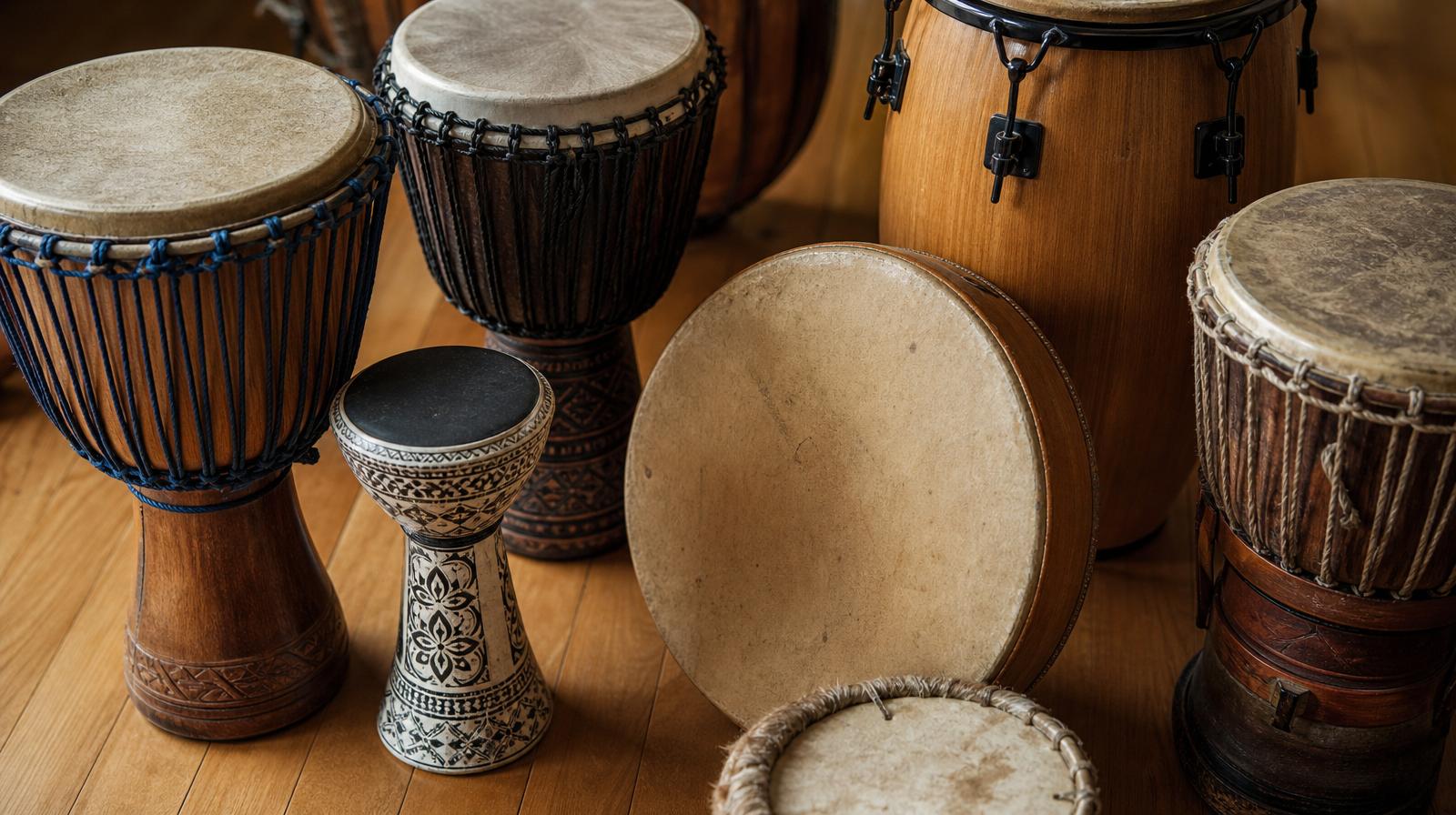
Whether you are preparing for your first community rhythm gathering or organizing a large-scale corporate team-building event, the djembe is often the heartbeat of the experience. Known for its versatile range of tones—from deep, resonant bass to sharp, cracking slaps—the djembe is the most popular hand drum in the world. However, purchasing a high-quality, rope-tuned hardwood djembe can be a significant investment.
This is where djembe rental becomes an invaluable option. Renting allows you to access professional-grade instruments without the upfront cost, making it perfect for beginners, travelers, and event planners alike.
Why Opt for a Djembe Rental?
There are several scenarios where renting a djembe makes more sense than buying one. For students just starting out, a rental allows you to find your rhythm before committing to a specific size or wood type. If you are attending one of the many drumming retreats held globally, renting a drum locally can save you the hassle and high cost of airline oversized baggage fees.
For facilitators, renting a "fleet" of drums is the standard practice for workshops. It ensures that every participant has a functional, tuned instrument, creating a cohesive sound for the group.
Choosing the Right Size and Material
When looking at djembe rental options, size matters. Djembes are typically measured by the diameter of the drum head (in inches) and the height of the shell.
- Adult Beginners: Look for a 12-inch diameter head. This is the standard size that provides enough surface area for proper hand placement while remaining portable.
- Kids and Small Adults: A 10-inch djembe is often more comfortable and lighter to carry.
- Professional Use: 13 to 14-inch drums offer the deepest bass and the loudest volume, ideal for lead drummers.
Beyond size, consider the material. Traditional djembes are carved from a single piece of hardwood (like Lenke or Mahogony) and topped with goatskin. Synthetic djembes, while less traditional, are excellent rentals for outdoor full-moon circles because they are weather-resistant and stay in tune regardless of humidity.
What to Inspect Before Renting
Before you sign a rental agreement and head off to your local drum-schools, perform a quick quality check:
- The Skin: Look for nicks, deep scratches, or thinning areas on the goatskin head. A skin that is ready to pop is a liability.
- The Bearing Edge: Run your finger around the rim (under the skin) to ensure there are no sharp cracks in the wood that could tear the hide.
- The Ropes: Ensure the vertical ropes are tight and the Mali weave (the knots used for tuning) is tidy.
- The Base: Check the bottom of the drum for cracks. A cracked base can cause the drum to lose its resonance.
Typical Costs and Rental Agreements
Most music shops and percussion specialists offer flexible rental terms. You can typically find daily, weekly, or monthly rates.
- Daily rates: Usually range from $15 to $30 depending on the quality of the drum.
- Monthly rates: Often fall between $40 and $70, which is ideal if you are taking a series of classes with drum-teachers.
- Deposits: Expect to leave a refundable deposit or a credit card on file.
Always clarify if a carrying bag or a padded strap is included in the rental. These accessories are essential for protecting the drum during transport to your local events.
Caring for Your Rented Djembe
Even though you don't own the drum, treating it with respect ensures you get your deposit back and keeps the instrument in the community loop.
- Remove Jewelry: Rings, watches, and bracelets can easily slice a drum head or scratch the wood finish.
- Temperature Control: Never leave a djembe in a hot car. Heat causes the skin to expand and contract rapidly, which can lead to it snapping.
- Play with Hands Only: Unless specifically instructed otherwise, djembes are hand drums. Using sticks or mallets on a thin goatskin head will likely cause permanent damage.
Finding Djembe Rentals Near You
Finding a rental is often as simple as looking for local percussion specialists or community music hubs. Many professional facilitators who list their services on the Drum Circle Directory also offer drum rentals for their students. If you are traveling, contact the organizers of local circles in advance; the drumming community is notoriously helpful and can often point you toward a reliable local shop or a peer-to-peer rental.
Find a drum circle near you to see if local facilitators offer instrument rentals for their sessions.
Frequently asked
- How much does it cost to rent a djembe for a day?
- On average, a djembe rental costs between $15 and $30 per day. Prices vary based on the drum's size, the quality of the wood, and whether it is a professional-grade or student-model instrument.
- Can I rent a djembe for a long-term period?
- Yes, many music stores and drum schools offer monthly rental programs. These are often more cost-effective than daily rates and sometimes include a 'rent-to-own' option where a portion of your fees goes toward the purchase price.
- Do I need to tune the djembe myself while renting?
- Generally, no. Most rental shops provide the drum pre-tuned. Unless you are an experienced drummer familiar with the Mali weave tuning system, it is best to leave the tuning to the professionals to avoid over-tensioning and popping the skin.
- Is it better to rent a wood or synthetic djembe?
- It depends on the environment. If you are playing indoors or in a dry climate, a traditional wood djembe offers superior tone. If you are attending an outdoor beach circle or a humid festival, a synthetic drum is more stable and won't lose its pitch.
Find a drum circle near you
Browse hundreds of circles, teachers and rhythm community gatherings.
Explore drum circles