
Djembe Retreat Guide: Deepen Your Rhythm in Community
Escape the noise and find your pulse at a dedicated djembe retreat. Learn from master drummers and connect with a global rhythm community.
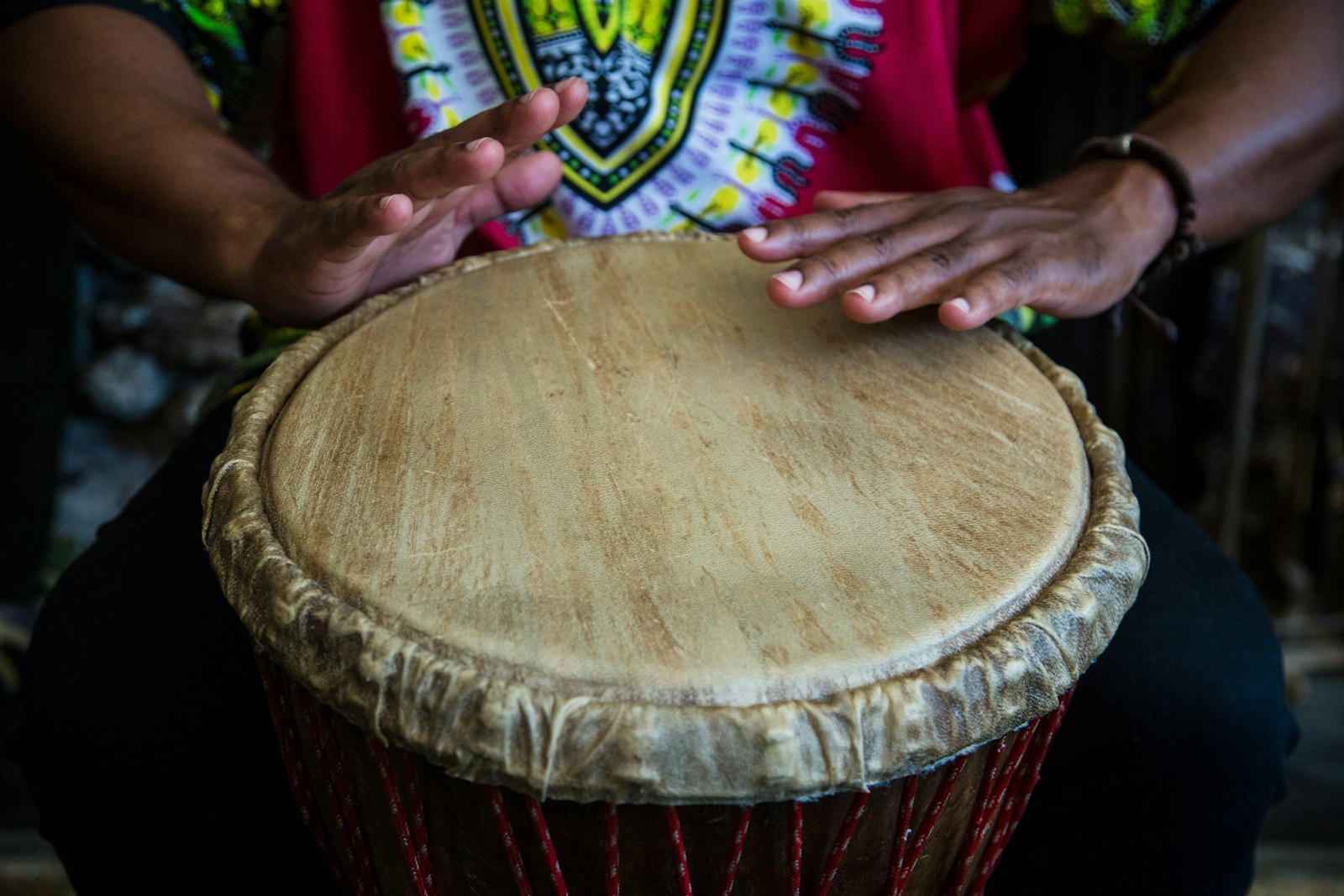
There is a specific kind of magic that occurs when the morning mist clears over a forest or beach, and the first sound you hear is the sharp, resonant crack of a djembe slap. For many hand drummers, the transition from a weekly local circle to a dedicated djembe retreat is a rite of passage. It is the moment you move beyond simply 'hitting a drum' and begin to live the rhythm.
A djembe retreat is more than just a series of music lessons; it is an immersive experience designed to reset your nervous system, sharpen your technical skills, and connect you with a lineage of tradition that spans centuries. Whether you are a beginner learning your first bass-tone-slap or an advanced player mastering complex polyrhythms, these gatherings offer a sanctuary for growth.
Why Choose a Dedicated Djembe Retreat?
In our fast-paced digital world, it is rare to find the space to focus on a single craft for days at a time. A retreat provides this container. Unlike a one-hour workshop, a multi-day retreat allows the muscle memory to truly sink in. You aren't just memorizing a pattern; you are marinating in it.
Most retreats are led by master drummers—often from West African nations like Guinea, Mali, or Senegal—who bring not only technical expertise but the cultural context of the music. You’ll learn how the djembe interacts with the dununs (the bass drums) and how specific rhythms correspond to harvests, weddings, or rites of passage.
What to Expect: A Typical Day in Rhythm
While every drumming retreat has its own flavor, most follow a communal rhythm that mirrors the music itself.
- Morning Warm-ups: Gentle movement or basic technique drills to wake up the hands and shoulders.
- Intensive Sessions: 2-3 hours of focused learning, often split by skill level. This is where you dive into the nuances of hand placement and timing.
- Communal Meals: Breaking bread with fellow drummers is where the community bond is forged.
- Afternoon Electives: Some retreats offer complementary classes in West African dance, frame drum technique, or even yoga to stretch out drumming-related tension.
- Evening Fireside Jams: This is the time for 'free play,' where the formal lessons of the day melt into a joyous, improvisational drum circle.
Essential Gear: What to Pack
Preparing for a djembe retreat requires a bit more than just grabbing your drum and a sleeping bag.
- Your Drum: Ensure your djembe is in good repair. Check the skin for nicks or thinning. If you don't own a high-quality instrument, many drum schools or retreat organizers offer rentals.
- Hand Care: Shea butter or a dedicated hand salve is essential. Hours of drumming can lead to blisters or dry skin.
- Ear Protection: High-pitched slaps in a room full of thirty drummers can be intense. Musicians' earplugs are a must to preserve your hearing.
- Recording Device: Most teachers allow you to record the rhythms at the end of a session. This is an invaluable tool for practicing when you return home.
Finding the Right Retreat for Your Level
It is vital to choose a retreat that matches your current ability.
- The Beginner: Look for 'Foundational' retreats. These focus on the 'big three' sounds (Bass, Tone, Slap) and simple 4/4 time signatures. You’ll want a supportive environment where the focus is on fun and basic coordination.
- The Intermediate Player: Look for workshops that introduce the '6/8' feel and basic 'echauffements' (breaks). This is where you start to learn the interplay between the djembe and the sangban or kenkeni.
- The Advanced Student: Seek out masterclasses. These are often smaller, high-intensity groups focusing on soloing technique, speed, and complex traditional arrangements.
The Health and Wellness Benefits
Beyond the music, djembe retreats are profoundly healing. The repetitive nature of drumming induces a 'flow state,' a meditative mental space where stress hormones drop and endorphins rise. The physical act of drumming is also a full-body workout, engaging the core, arms, and back.
Furthermore, the 'group effect' of drumming in synchrony has been shown to increase social bonding and empathy. In a world that often feels fragmented, there is deep medicine in forty people hitting the same beat at the exact same time.
Transitioning Back to Daily Life
The 'retreat high' is real, but the challenge is maintaining that spark once you return to your routine. To keep the momentum going, seek out drum teachers in your local area who can help you refine what you learned. Joining a local community group ensures that the rhythms stay in your hands and your heart.
Whether you are traveling to a remote jungle or a local countryside farm, a djembe retreat is an investment in your well-being and your artistry. It is an invitation to stop listening to the noise of the world and start listening to the beat of the drum.
Find a drum circle near you to start your journey.
Frequently asked
- Do I need to own a drum to attend a djembe retreat?
- Not necessarily. While most experienced players prefer their own instrument, many retreat organizers provide high-quality djembe rentals for beginners. Always check with the event coordinator in advance to ensure a drum is reserved for you.
- Are djembe retreats suitable for people with no musical background?
- Yes! Many retreats offer 'all-levels' tracks or specific 'absolute beginner' groups. These sessions focus on the joy of rhythm and basic technique, making them accessible to anyone regardless of their musical history.
- What is the average cost of a drumming retreat?
- Costs vary widely based on location and amenities, typically ranging from $300 for a local weekend retreat to $2,000+ for international week-long immersions that include lodging, meals, and world-class instruction.
Find a drum circle near you
Browse hundreds of circles, teachers and rhythm community gatherings.
Explore drum circles