Djembe Shop Near Me: How to Find Your Perfect Hand Drum
Searching for a djembe shop near you? Learn how to identify quality craftsmanship, choose the right wood, and find local retailers that support the drumming community.
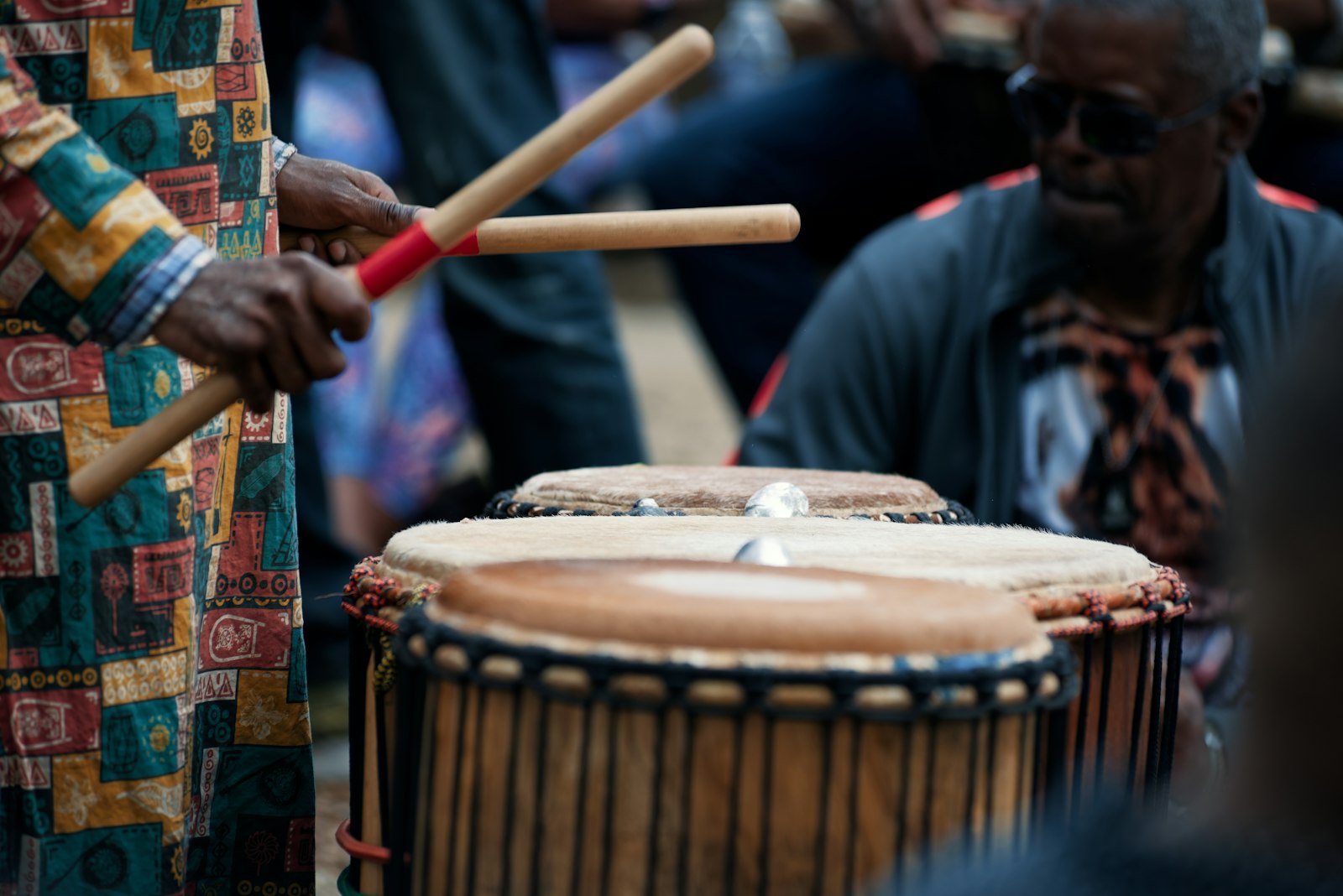
There is a specific magic that happens when you strike a well-crafted djembe for the first time. The deep, resonant bass note that vibrates in your chest and the sharp, cracking slap that cuts through the air are more than just sounds—they are an invitation to the rhythm. If you have been searching for a "djembe shop near me," you aren't just looking for a piece of musical equipment; you are looking for your voice in the circle.
Finding the right djembe is a tactile, personal experience. While online shopping offers convenience, nothing beats the ability to sit with a drum, feel the texture of the goat skin, and hear how the shell speaks back to you. In this guide, we will explore how to find the best local drum shops and what you should look for to ensure you’re bringing home a high-quality instrument.
Why Buying Local Matters for Hand Drummers
When you search for a djembe shop near me, you are often looking for more than a transaction. Local specialty drum shops are the heartbeat of the rhythm community. Unlike big-box music retailers that might treat a djembe like a novelty item, dedicated percussion shops understand the nuances of West African instruments.
Buying locally allows you to:
- Test the Ergonomics: Every djembe has a different rim shape. You need to ensure the bearing edge is comfortable for your hands during long sessions.
- Hear the Tuning: A djembe might look beautiful but have a flat tone. Testing it in person ensures the tension is correct and the skin is healthy.
- Support the Ecosystem: Local shops often have bulletin boards featuring upcoming drumming retreats or contact info for local drum teachers.
What to Look for in a Quality Djembe
Not all djembes are created equal. If you find a shop nearby, use these criteria to evaluate their stock:
The Shell Wood
Traditional, high-quality djembes are carved from a single log of hardwood. Look for woods like Lenke, Djalla, Dugura, or Acajou. These West African hardwoods provide the density needed for that iconic projection. Avoid "tourist drums" made of lightweight, soft woods that are often glued together from multiple pieces.
The Skin (Drum Head)
Most authentic djembes use goat skin. Look for a skin that is free of deep scars, holes, or thinning patches. The skin should be tucked tightly around the rings. If you prefer a vegan option, some shops carry synthetic heads (like Remo’s Skyndeep), which are excellent for humid climates but offer a different tonal profile.
The Rope and Hardware
Traditional djembes use a rope-tuning system (the Mali weave). Ensure the rope is high-quality, low-stretch polyester. If you see a drum with metal lugs and bolts, it is a Westernized version. While easier to tune, many purists prefer the rope-tuned aesthetic and weight.
Navigating Different Types of Hand Drum Retailers
Depending on where you live, your search for a "djembe shop near me" might lead you to a few different types of establishments:
- Specialty World Percussion Shops: These are the gold standard. They usually source directly from artisans in Guinea, Mali, or Senegal and often provide re-heading services.
- General Music Stores: These shops may carry brands like Meinl, LP, or Remo. These are great for beginners who want a durable, consistent instrument that is easy to maintain.
- Fair Trade Gift Shops: Occasionally, you will find beautiful drums in global gift stores. Just be sure to check that they are playable instruments and not decorative pieces.
Once you find your drum, you'll likely want to find a place to play. Check out our directory of drum circles to find a community gathering in your area.
Essential Questions to Ask the Shop Owner
Don’t be afraid to interview the seller. A reputable drum shop owner will be happy to share their knowledge. Ask these three questions:
- "Where was this drum carved?" Knowing the origin helps you understand the carving style and the ethics behind the sourcing.
- "Do you offer re-heading or tuning services?" Eventually, every goat skin will reach the end of its life. Knowing your shop can repair your drum is a huge plus.
- "Can you recommend a local teacher?" Many shop owners are connected to drum schools or private instructors who can help you master your bass, tone, and slap.
Preparing for Your Visit
Before you head out to the shop, bring a small stool or a drum strap if you have one. You want to play the drum at the height you will be using at home or in the circle. Wear comfortable clothing that doesn't have large metal buttons or zippers that could scratch the wood of the drum.
Take your time. Play a few simple rhythms. Listen for the sustain. A good djembe should have a clear distinction between its notes. If the bass and the tone sound too similar, the drum might need more tension or a different skin.
Connecting with the Local Rhythm Scene
Finding a djembe shop is often the first step into a larger world. Many shops host small "in-store" jams or provide flyers for local events. Use your visit as an opportunity to network. Ask about full-moon circles, park jams, or community workshops. The djembe is a social instrument, designed to be played in conversation with others, often accompanied by the thunderous heartbeat of the dununs.
If your local search doesn't yield results, don't worry. The rhythm community is global, and many expert builders offer shipping with sound samples provided beforehand.
Find a drum circle near you and start your rhythmic journey today!
Frequently asked
- How much should I expect to pay at a djembe shop near me?
- For a beginner-level, mass-produced djembe, prices typically range from $150 to $300. For a professional, hand-carved West African hardwood djembe, expect to pay between $400 and $800 depending on the wood type and carving detail.
- What size djembe should I buy?
- For most adults, a drum with a 12-inch to 13-inch head diameter is standard. This size provides a full range of sound and fits comfortably between the legs. Children or those looking for a travel drum may prefer a 10-inch diameter.
- Can I find a djembe shop that also does repairs?
- Yes, many specialty percussion shops offer re-heading (replacing the goat skin) and professional tuning. It is always best to call ahead and ask if they have a dedicated drum tech who specializes in rope-tuned instruments.
Find a drum circle near you
Browse hundreds of circles, teachers and rhythm community gatherings.
Explore drum circles