Finding Your Djembe Teacher: A Guide to West African
Discover how to find the right djembe teacher to master West African rhythms, improve your technique, and connect with the global drumming community.
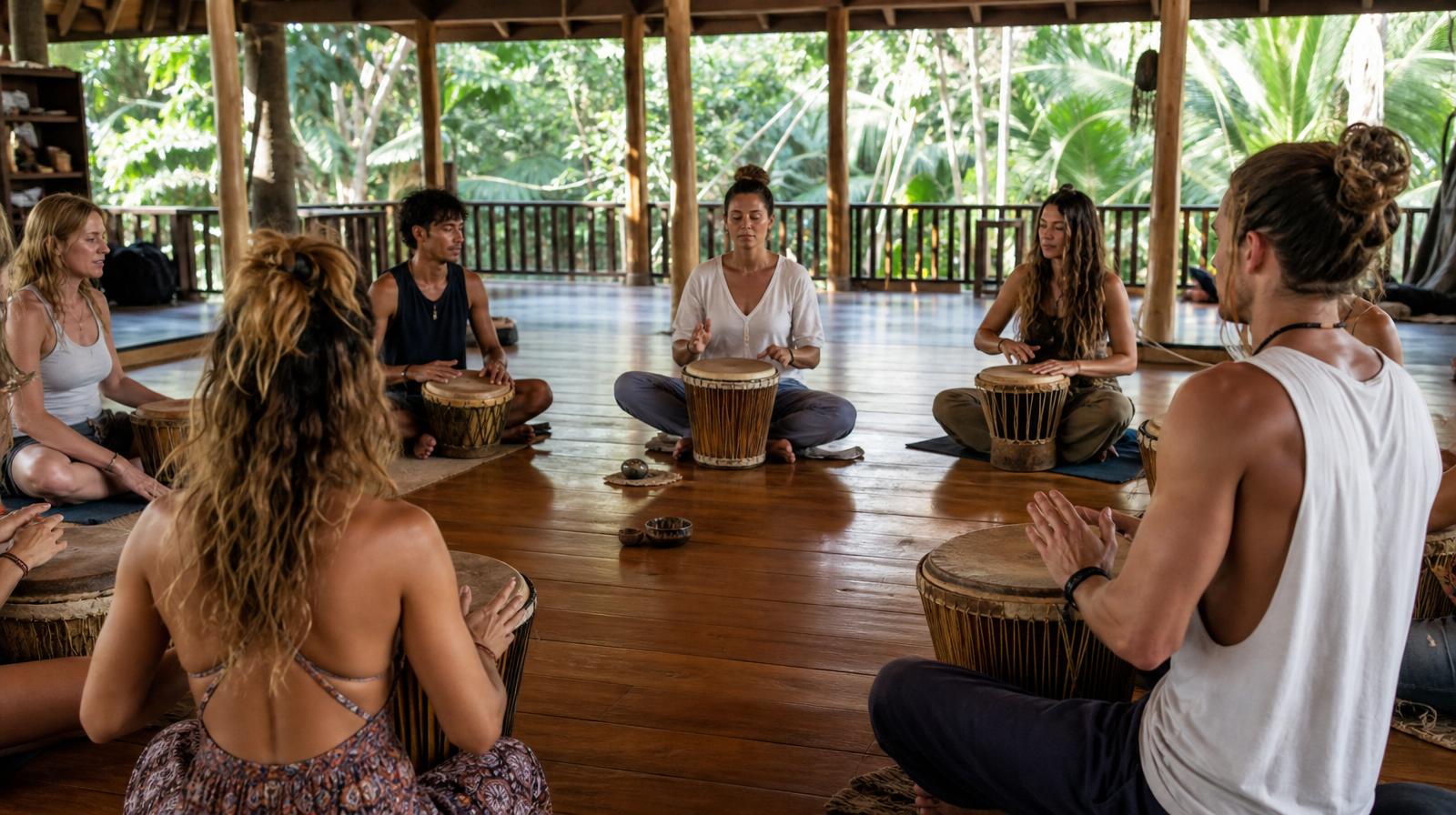
The djembe is more than just a drum; it is a vessel for history, communication, and community. Originating from the Mandé people of West Africa, this goblet-shaped instrument has traveled across the globe, finding its way into parks, concert halls, and community centers. While it is easy to pick up a drum and start hitting it, the path to true mastery requires guidance. Finding a qualified djembe teacher is the most effective way to honor the tradition and unlock your creative potential.
Whether you are a complete beginner or an experienced percussionist looking to refine your technique, a mentor provides the structural foundation that books or static videos often lack. In this guide, we will explore why a teacher is essential, what to look for in a mentor, and how to integrate your learning into the wider drumming community.
Why You Need a Djembe Teacher
Many aspiring drummers start by watching online tutorials. While these are great for inspiration, the djembe is a physical instrument that requires precise ergonomics. A djembe teacher provides immediate feedback on your posture, hand placement, and tone production. Without this, beginners often develop bad habits that can lead to repetitive strain injuries or a plateau in skill.
Beyond the physical, the djembe is an oral tradition. A teacher shares the stories behind the rhythms—such as the Soli, Kuku, or Moribayassa—and explains the cultural context of why and when these beats are played. This connection to the roots of the music transforms drumming from a mechanical act into a soulful expression.
Understanding the Core Techniques
A professional djembe teacher will focus on the three fundamental sounds of the drum:
- Bass: The deep, resonant heart of the drum, played in the center.
- Tone: A full, round sound played at the edge with fingers together.
- Slap: A sharp, high-pitched crack that requires a relaxed hand and precise positioning.
Mastering the distinction between these three sounds is what separates a novice from a player. Your teacher will work with you on "clarity of notes," ensuring that your slaps don't sound like muffled tones and your bass remains powerful and clean.
What to Look for in a Djembe Mentor
When searching for drum teachers, it is important to find someone whose style aligns with your goals. Consider the following factors:
Lineage and Experience
Has the teacher studied with masters from Guinea, Mali, Senegal, or Ivory Coast? Understanding the lineage of their knowledge ensures you are learning authentic patterns and traditional arrangements.
Teaching Style
Some teachers focus on the mathematical side of rhythm (notation and time signatures), while others teach strictly by ear and feel. Decide which approach helps you learn most effectively. A good teacher should be able to bridge both worlds.
Community Involvement
Does the teacher host events or lead local circles? A teacher who is active in the local scene can provide you with opportunities to perform and meet other students, which is vital for your growth as a musician.
The Role of the Dunun
In traditional West African ensembles, the djembe does not stand alone. It is supported by the dunun (or dundun) drums—the kenkeni, sangban, and dununba. A comprehensive djembe teacher will often introduce you to these bass drums, as they provide the melodic and rhythmic foundation for the djembe's accompaniment and solo parts. Understanding the dunun parts will significantly improve your timing and your ability to play within a group.
Group Classes vs. Private Lessons
Both formats offer unique benefits for the student:
- Private Lessons: These allow for hyper-focused attention on your specific technique. If you are struggling with your slap or want to dive deep into soloing, one-on-one time is unmatched.
- Group Classes: Drumming is a social activity. Classes allow you to practice "parts"—playing one rhythm while others play something different. This builds your internal metronome and teaches you how to listen while playing.
Many students find a balance by attending weekly group classes at drum schools and booking a private session once a month for a technique check-up.
Transitioning from Student to Community Member
Once you have gained confidence in your basic rhythms, it is time to take your skills into the wild. Participating in a drum circle is a rite of passage. It tests your ability to hold a steady beat and interact with other instruments like congas, doumbeks, and frame drums.
Your teacher can guide you on "circle etiquette," such as when to solo, how to support the facilitator, and how to listen to the "pulse" of the group. If you're feeling adventurous, you might even look into drumming retreats where you can immerse yourself in rhythm for several days alongside other enthusiasts.
Preparing for Your First Lesson
Before you meet your djembe teacher, ensure your instrument is in good condition. The skin should be tight and free of cracks, and the tension should be even. If you don't own a drum yet, ask your teacher for recommendations—many instructors have spare drums for students to use or can help you pick out a high-quality, ethically sourced instrument.
Bring a notebook, a recording device (with permission), and an open mind. The journey of the djembe is a lifelong path of discovery, and your teacher is the guide who helps you navigate the first of many beautiful miles.
Find a drum circle near you.
Frequently asked
- How much do djembe lessons usually cost?
- Prices vary by location and experience, but generally, private lessons range from $40 to $80 per hour. Group classes are more affordable, often costing between $15 and $30 per session depending on the length and the venue.
- Do I need to own a drum before finding a teacher?
- Not necessarily. Many djembe teachers and drum schools provide loaner instruments for beginners. It is often better to wait until after your first few lessons so your teacher can advise you on buying a quality drum that fits your body size and budget.
- How long does it take to learn the djembe?
- While you can learn basic sounds and simple rhythms in a few weeks, mastering the djembe is a lifelong pursuit. Most students feel comfortable participating in community drum circles after 3 to 6 months of consistent practice and guidance from a teacher.
Find a drum circle near you
Browse hundreds of circles, teachers and rhythm community gatherings.
Explore drum circles