
Finding a Djembe Teacher Near Me: A Guide to West African
Unlock the power of the West African djembe with expert guidance. Learn how to find the right instructor to master your technique and connect with your local rhythm community.
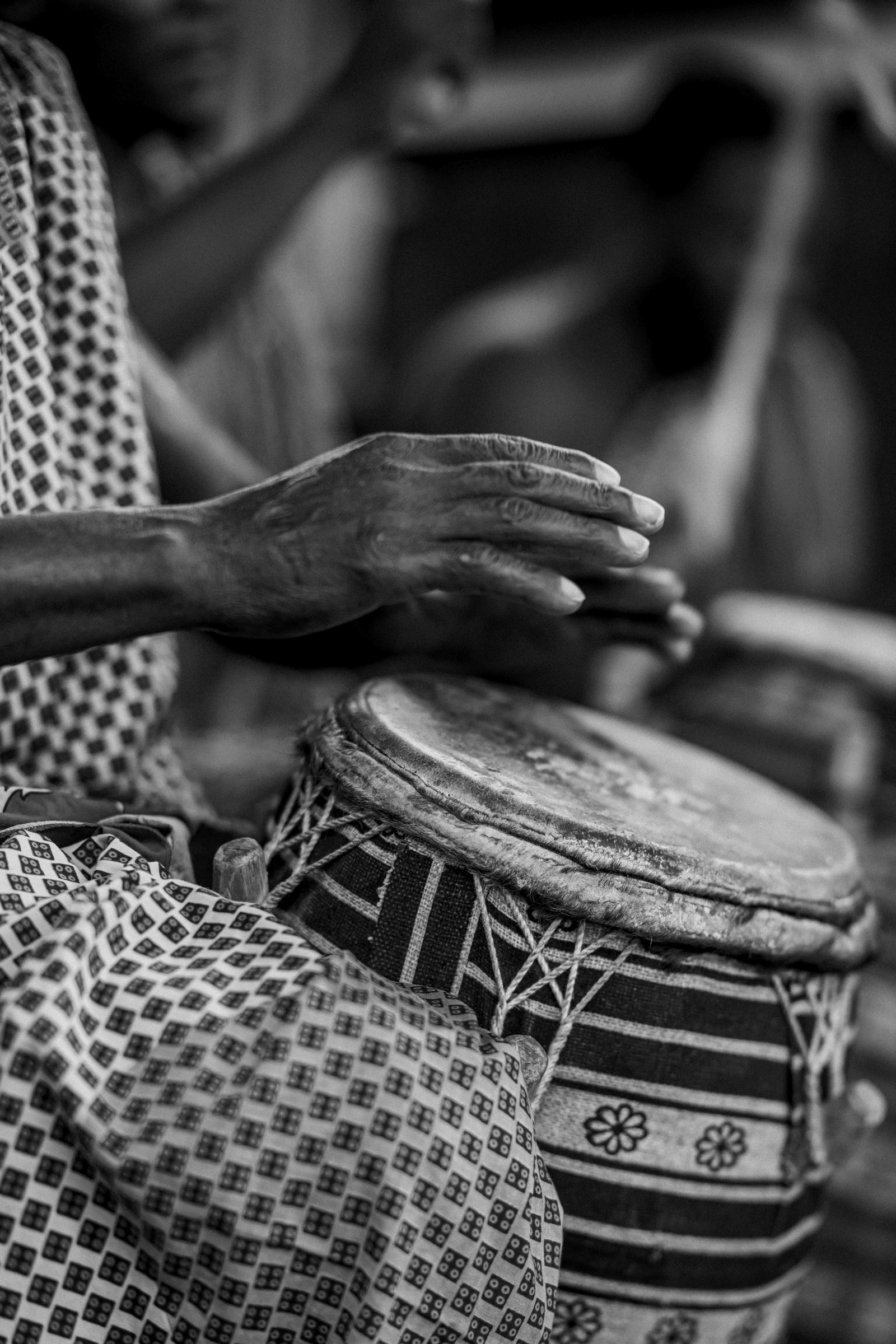
There is a profound moment of connection that happens when your palm strikes the skin of a djembe for the first time. It is more than just a sound; it is a vibration that resonates through your body and links you to a lineage of rhythm spanning centuries. However, as many beginners soon discover, translating the sounds in your head into the crisp slaps and deep bass tones of the drum requires more than just enthusiasm—it requires a guide.
Searching for a "djembe teacher near me" is the first step on a transformative journey. Whether you are looking to join a local drum circle or dream of performing traditional West African polyrhythms, finding the right instructor is essential for developing proper technique and avoiding injury.
Why Study with a Professional Djembe Instructor?
The djembe is an incredibly accessible instrument, but it is also one that demands physical awareness. A professional teacher provides immediate feedback that a YouTube video simply cannot.
Learning from an expert helps you:
- Develop Proper Form: Prevent wrist strain and carpal tunnel by learning the correct angles for your bass, tone, and slap strokes.
- Understand Cultural Context: The djembe is rooted in the traditions of the Mandé people. A good teacher shares the stories, history, and specific ethnic origins of the rhythms you play.
- Master Polyrhythms: West African music is built on layers. An instructor can help you hold your part while others play duns (dunun), sangban, or kenkeni.
- Build Confidence: Transitioning from solo practice to playing in public is easier when you have a mentor encouraging your progress.
What to Look for in a Djembe Teacher
Not every percussionist is a djembe specialist. When browsing our drum teachers directory, look for individuals who demonstrate a deep respect for the West African tradition.
Consider these factors:
1. Lineage and Training
Ask your potential teacher about their journey. Did they study with masters in Guinea, Mali, or Senegal? Do they follow a specific school of playing, such as the teachings of Mamady Keïta or Famoudou Konaté? Understanding their background ensures you are receiving authentic instruction.
2. Teaching Style
Some teachers focus on the technical mechanics of the hand, while others emphasize the spiritual and community aspects of the drum. Decide if you want a structured curriculum with notation or a more traditional "listen and repeat" (call-and-response) approach.
3. Group vs. Private Lessons
Private lessons are excellent for focused technical work. However, group classes are where the djembe truly comes alive. Many drum schools offer both, allowing you to refine your skills individually while experiencing the collective energy of a class.
Essential Djembe Techniques You Will Learn
Your search for a "djembe teacher near me" will eventually lead you to the three fundamental sounds of the drum. A qualified teacher will spend significant time ensuring these are distinct:
- The Bass: Played in the center of the drum with a flat hand. It should be deep, resonant, and clear.
- The Tone: Played at the edge of the drum with the fingers together. It is a full, round sound that should not ring like a slap.
- The Slap: The most challenging stroke. It is a sharp, high-pitched sound produced by a relaxed hand hitting the rim, allowing the fingertips to snap against the skin.
Mastering the distinction between a tone and a slap is the hallmark of an advanced player. Your teacher will help you find the "sweet spot" on your specific drum.
Integrating into the Local Drumming Scene
Learning the djembe isn't just about solo mastery; it's about community. Once you have the basics down, your teacher will likely encourage you to attend local drum circles. These gatherings are the perfect place to practice your timing in a low-pressure, supportive environment.
Many teachers also organize or participate in rhythm events such as full-moon circles, community festivals, or intensive workshops. These gatherings allow you to see how the djembe interacts with other instruments like the balafon, kora, or even congas and doumbeks in a fusion setting.
Preparing for Your First Lesson
Before you meet your new instructor, there are a few things you can do to prepare:
- Check Your Gear: If you own a drum, ensure the skin is in good condition and the tension is high enough for slaps to crack. If you don't have one, ask your teacher if they provide loaner drums.
- Remove Jewelry: Rings and bracelets can damage the drum skin and hurt your hands.
- Listen to the Music: Immerse yourself in the sounds of West Africa. Listen to recordings of the Great Masters to attune your ear to the phrasing of the djembe.
- Set a Goal: Are you playing for therapy and wellness, or do you want to become a professional performer? Sharing this with your teacher helps them tailor their approach.
Taking the Next Step: Retreats and Intensives
If you find yourself falling in love with the rhythm, you might consider taking your practice to the next level. Many world-class djembe teachers host drumming retreats in beautiful locations. These intensives offer several hours of drumming a day, often combined with dance, healthy food, and deep community bonding. It is an accelerated way to boost your skills and recharge your spirit.
Find a drum circle near you and start your rhythmic journey today.
Frequently asked
- Do I need to own a drum before finding a djembe teacher?
- Not necessarily. Many djembe teachers and drum schools provide 'loaner' drums for beginners to use during their first few lessons. It is often better to wait and ask your teacher for advice on what size and type of drum to buy so you get a high-quality, authentic instrument.
- How long does it take to learn the djembe?
- While you can learn the basic bass, tone, and slap strokes in a single lesson, mastering the djembe is a lifelong journey. Most students feel comfortable participating in a community drum circle after 3 to 6 months of consistent weekly practice and instruction.
- Is djembe drumming hard on the hands?
- It can be if your technique is incorrect. A primary reason to find a teacher is to learn how to strike the drum without causing bruising or joint pain. With proper form, you can drum for hours comfortably by using the weight of your arms rather than just the force of your hands.
Find a drum circle near you
Browse hundreds of circles, teachers and rhythm community gatherings.
Explore drum circles