Djembe Workshop Guide: Master the Art of West African Rhythm
Discover what to expect in a djembe workshop, from mastering basic strikes to learning the cultural history of the Mandinka people.
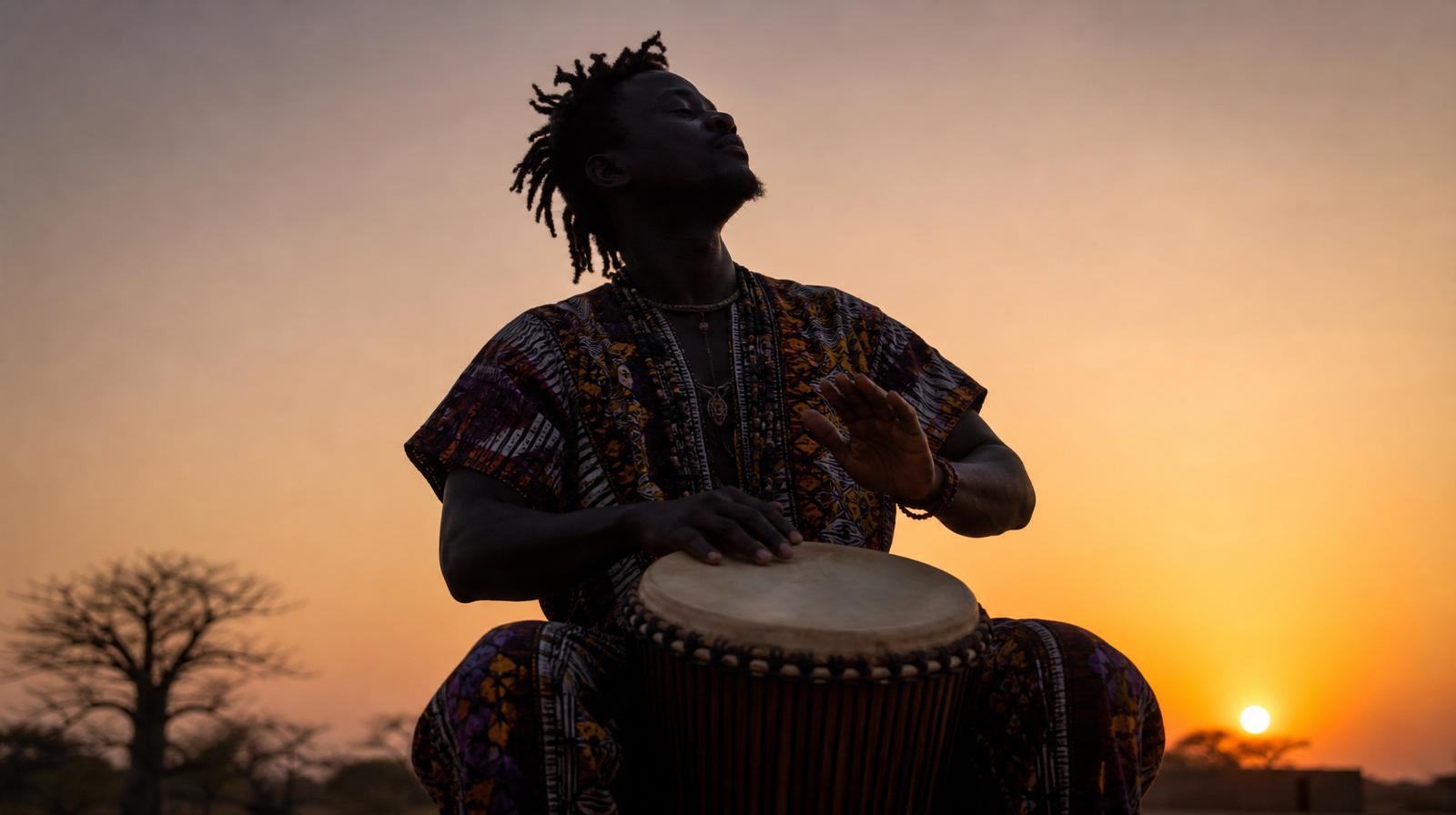
The djembe is more than just a drum; it is a vessel for storytelling, community, and ancient tradition. Originating from the Mandinka people of West Africa, the djembe (pronounced JEM-bay) has become one of the most popular hand drums in the world. Whether you are a curious beginner or a seasoned percussionist, attending a djembe workshop is a transformative experience that connects you to the heartbeat of the rhythm community.
In this guide, we explore what makes a djembe workshop unique, the essential techniques you will learn, and how to prepare for your first session.
Why Attend a Djembe Workshop?
A djembe workshop offers a structured environment that a casual drum circle might not. While drum circles are often about spontaneous expression and improvisation, a workshop focuses on the technical mastery of the instrument and the preservation of traditional West African rhythms.
When you step into a workshop, you aren't just hitting a drum. You are learning the language of the djembe. You will discover how to produce distinct tones, understand the complex polyrhythms of the dunun drums (the bass heart of the ensemble), and learn the cultural context behind rhythms like Kuku, Moribayassa, or Yankadi.
The Three Essential Sounds: Slap, Tone, and Bass
Every djembe workshop begins with the fundamentals. To play the djembe correctly, you must master the three primary strikes. A skilled teacher at one of the many drum schools will spend significant time ensuring your hand placement is correct to prevent injury and produce a crisp sound.
- The Bass (Gun/Go): Played with the full hand in the center of the drum head. It should produce a deep, resonant, low-frequency sound.
- The Tone (Pa/Ta): Played at the edge of the drum with fingers held together. The sound should be round and full, without the ringing of a slap.
- The Slap (Pi/Pa): The most challenging stroke. It is played at the edge with relaxed fingers, creating a sharp, high-pitched 'crack' that cuts through the ensemble.
Understanding the West African Ensemble
In a comprehensive djembe workshop, you rarely play in isolation. Traditional West African music is an ensemble practice. You will likely be introduced to the 'Dunun' family—the three double-headed drums played with sticks that provide the melodic and rhythmic foundation for the djembe.
- The Kenkeni: The smallest drum, providing the steady high-pitched pulse.
- The Sangban: The middle drum, often considered the 'heart' or the lead melody of the dununs.
- The Dununba: The large bass drum that provides the power and deep grounding.
Learning how your djembe part fits against the dunun cycle is where the magic happens. It teaches you how to listen as much as you play.
What to Expect in Your First Session
Walking into your first djembe workshop can be intimidating, but most instructors foster a warm, welcoming atmosphere. Here is a typical breakdown of a 2-hour session:
- The Warm-up: Stretching the wrists, shoulders, and fingers, followed by simple call-and-response exercises to sync the group's timing.
- Technique Drills: Focused practice on achieving a clear distinction between your tones and slaps.
- Learning the Rhythm: The instructor will break down a traditional rhythm into small, digestible parts. You might start with the 'accompaniment' part before moving to more complex breaks.
- The Break: In West African drumming, a 'break' is a specific rhythmic signal played by the lead drummer to start, stop, or change the tempo of the music.
- Integration: Putting it all together, often with the instructor playing solo phrases over the group's steady accompaniment.
How to Prepare and What to Bring
You don't necessarily need your own drum to attend a workshop. Many drum teachers provide loaner instruments for a small fee. However, if you are bringing your own, ensure it is tuned properly—a loose skin makes it difficult to achieve a sharp slap.
Quick Checklist:
- Remove Jewelry: Rings and bracelets can damage the drum head and hurt your hands.
- Trim Your Nails: Long fingernails can catch on the skin and cause painful breaks.
- Dress Comfortably: You will be sitting with a drum between your legs for an extended period. Wear loose pants or a long skirt.
- Hydration: Drumming is a physical workout. Bring plenty of water.
Finding the Right Djembe Workshop for You
There are many ways to engage with the djembe. Some prefer a weekly local class to build skills over time, while others seek out immersive drumming retreats where they can spend a week living and breathing rhythm in a nature-filled setting.
Look for workshops that emphasize both technique and tradition. A great teacher doesn't just show you where to put your hands; they tell you the story of the rhythm—why it was played, which tribe it came from, and what ceremony it accompanied.
The Health Benefits of Djembe Drumming
Beyond the musical skill, attending a djembe workshop is good for the soul. Studies have shown that group drumming reduces stress, boosts the immune system, and creates a sense of social belonging. The rhythmic entrainment—where your brain waves synchronize with the beat—induces a meditative state that can be incredibly healing.
Whether you are looking for a creative outlet, a physical workout, or a way to connect with your local community, the djembe is a perfect gateway.
Find a drum circle near you and start your rhythmic journey today: /drum-circles
Frequently asked
- Do I need my own drum to attend a djembe workshop?
- Not always. Most workshop facilitators and drum schools offer 'loaner' drums for beginners. It is always best to check the event description or contact the teacher beforehand to reserve a drum if you don't own one.
- Is djembe drumming hard to learn for beginners?
- The basics of djembe—bass, tone, and slap—can be learned in a single session. However, mastering the speed, clarity, and complex polyrhythms of West African music takes years of dedicated practice and listening.
- What should I wear to a djembe class?
- Wear comfortable, non-restrictive clothing. Since the drum is usually held between the knees with a strap or on a stand, pants or longer skirts are ideal. Most importantly, remove all rings, watches, and bracelets to protect both your hands and the drum head.
- What is the difference between a djembe workshop and a drum circle?
- A djembe workshop is an instructional environment where a teacher leads the group in learning specific techniques and traditional rhythms. A drum circle is typically more informal and focused on community improvisation and free-form expression.
Find a drum circle near you
Browse hundreds of circles, teachers and rhythm community gatherings.
Explore drum circles