
Do You Need a Drum for a Drum Circle? A Beginner’s Guide
Curious about joining a rhythm community but don't own an instrument? Discover why you don't always need a drum to participate in a drum circle.
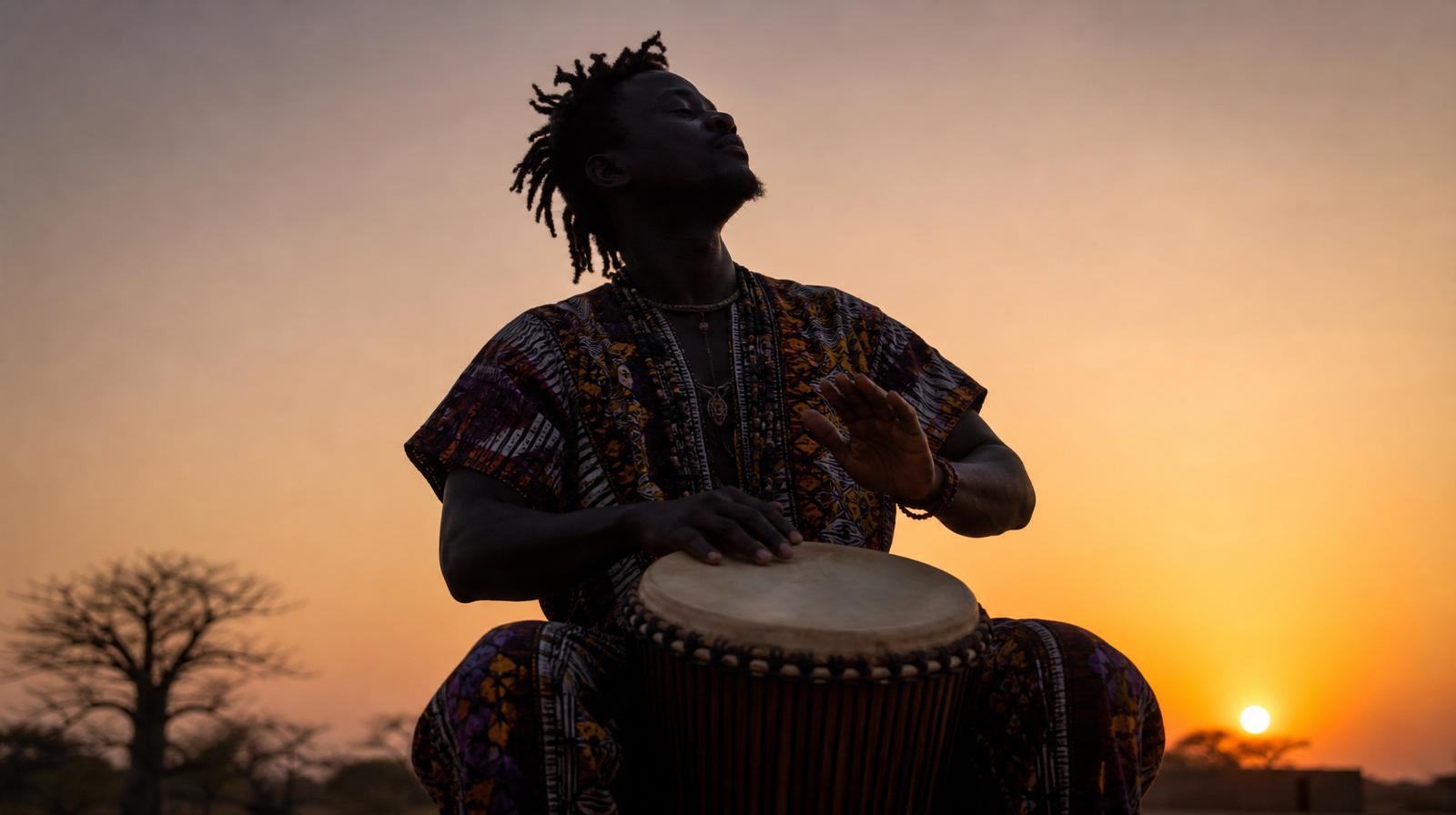
The heartbeat of a drum circle is its inclusivity. You might be walking through a park or visiting a local community center when you hear the resonant thrum of a djembe or the sharp crack of a conga. Your feet start moving, your heart rate syncs with the pulse, and you feel the urge to join in. But then, a common hesitation stops you: "I don’t have a drum. Can I still participate?"
The short answer is: No, you do not necessarily need to own a drum to join a drum circle.
In fact, many of the most vibrant rhythm gatherings are designed specifically to welcome newcomers who are instrument-free. Whether you are looking for a local drum circle or considering your first workshop, here is everything you need to know about showing up empty-handed and leaving with a full heart.
The Culture of Sharing: Loaner Drums and Community Kits
Most community drum circles are organized by facilitators or seasoned enthusiasts who understand that not everyone owns a professional-grade instrument. It is very common for organizers to bring a "community bag" or a "loaner pile."
In these circles, you might find a variety of instruments available for public use:
- Djembes: The most popular choice for beginners due to their wide range of sounds.
- Ashikos: Tapered wooden drums that offer a deep, earthy bass.
- Frame Drums: Lightweight and easy to hold, perfect for those who prefer a softer volume.
- Plastic Tubanos: Durable, consistent drums often used in facilitated circles for their accessibility.
If you are attending a facilitated event, the leader almost always provides enough percussion to go around. However, it is always polite to arrive a few minutes early and ask, "Is it okay if I borrow an instrument for the session?"
Percussion Beyond the Drum: Small Hand Instruments
Even if all the large drums are taken, you are far from out of luck. A drum circle isn't just a wall of heavy bass; it needs the "high end" to feel complete. Shakers, bells, and woodblocks provide the shimmer and texture that glue the rhythm together.
Look for these smaller instruments often found in the center of the circle:
- Maracas and Egg Shakers: These are the easiest way to keep time without the physical demand of a large drum.
- Claves: Two wooden sticks that produce a bright, cutting sound—essential for maintaining the pulse.
- Tambourines: Great for adding a festive, jingling layer to the groove.
- Cowbells: Frequently used in Afro-Cuban rhythms to provide a steady "timeline."
Playing a shaker is an excellent way for beginners to learn the "micro-timing" of a group without the pressure of leading a loud beat.
Using Your Body as an Instrument
If there truly isn't a single instrument left in the bag, remember that the oldest drum in human history is the human body. Body percussion is a sophisticated and deeply satisfying way to contribute to a circle.
- Clapping: Experiment with cupped hands for a low "pop" or flat palms for a sharp "crack."
- Chest Percussion: Softly thumping the chest can mimic the bass note of a dunun.
- Stepping: The way you move your feet can help you internalize the beat, essentially making you a visual metronome for others.
- Vocalizing: Many traditional circles use chanting or "vocables" to mirror the drum patterns. Your voice is a powerful rhythmic tool.
When You Should Bring Your Own Gear
While most public gatherings are welcoming, there are specific scenarios where having your own gear is expected. If you are attending advanced drum schools or specialized masterclasses, the focus is usually on technique and specific repertoire where you'll need your own djembe, doumbek, or congas to practice properly.
Similarly, if you find yourself attending drumming retreats, bringing your own instrument ensures you are comfortable during long hours of playing. A drum is like a pair of shoes; once you find one that fits your hands and height, you’ll find you can play longer without fatigue.
Drum Circle Etiquette for Beginners
If you are borrowing a drum, there are a few "unwritten rules" to keep the community vibes high:
- Ask Before Grabbing: If a drum is sitting on a chair, it likely belongs to someone. If it’s in a central pile, it’s usually fair game—but ask the facilitator first.
- Respect the Instrument: Hand drums are often made of natural materials like goatskin or thin wood. Remove rings, watches, and dangling bracelets before playing to avoid scratching the wood or piercing the head.
- The "Golden Rule" of Volume: If you can't hear the person next to you, you might be playing too loud. This is especially important if you are using a borrowed drum you aren't familiar with yet.
- Support the Groove: Your job isn't to play the fastest solo; it's to support the collective heartbeat. Listen more than you play.
Finding Your First Circle
Don't let the lack of a djembe keep you from the transformative power of rhythm. Most people in the drumming community started exactly where you are—curious, empty-handed, and slightly nervous. You will find that drummers are among the most generous people when it comes to sharing their passion and their spare instruments.
Ready to find your rhythm? Find a drum circle near you and just show up. The beat is waiting for you.
FAQ
Can I join a drum circle if I have zero musical experience?
Absolutely. Drum circles are about community and connection rather than musical perfection. Most circles are "come as you are," and facilitators are experts at helping brand-new players find a simple, steady beat that contributes to the overall sound.
What should I wear to a drum circle?
Comfort is key. Wear loose-fitting clothing that allows you to sit comfortably with a drum between your legs. Avoid heavy rings or jewelry on your hands and wrists, as these can damage the drum heads and hurt your fingers while playing.
Is it okay to bring a non-traditional drum?
In most community circles, yes. While djembes and congas are standard, you will often see frame drums, cajons, and even "found percussion" like five-gallon buckets. If you are unsure, check the event description or contact the organizer through our events page.
Frequently asked
- Can I join a drum circle if I have zero musical experience?
- Absolutely. Drum circles are about community and connection rather than musical perfection. Most circles are "come as you are," and facilitators are experts at helping brand-new players find a simple, steady beat that contributes to the overall sound.
- What should I wear to a drum circle?
- Comfort is key. Wear loose-fitting clothing that allows you to sit comfortably with a drum between your legs. Avoid heavy rings or jewelry on your hands and wrists, as these can damage the drum heads and hurt your fingers while playing.
- Is it okay to bring a non-traditional drum?
- In most community circles, yes. While djembes and congas are standard, you will often see frame drums, cajons, and even "found percussion" like five-gallon buckets. If you are unsure, check the event description or contact the organizer.
Find a drum circle near you
Browse hundreds of circles, teachers and rhythm community gatherings.
Explore drum circles