Donation Based Drum Circle Guide: How They Work and What to
Discover the magic of donation-based drum circles, where community rhythm is accessible to everyone regardless of their budget.
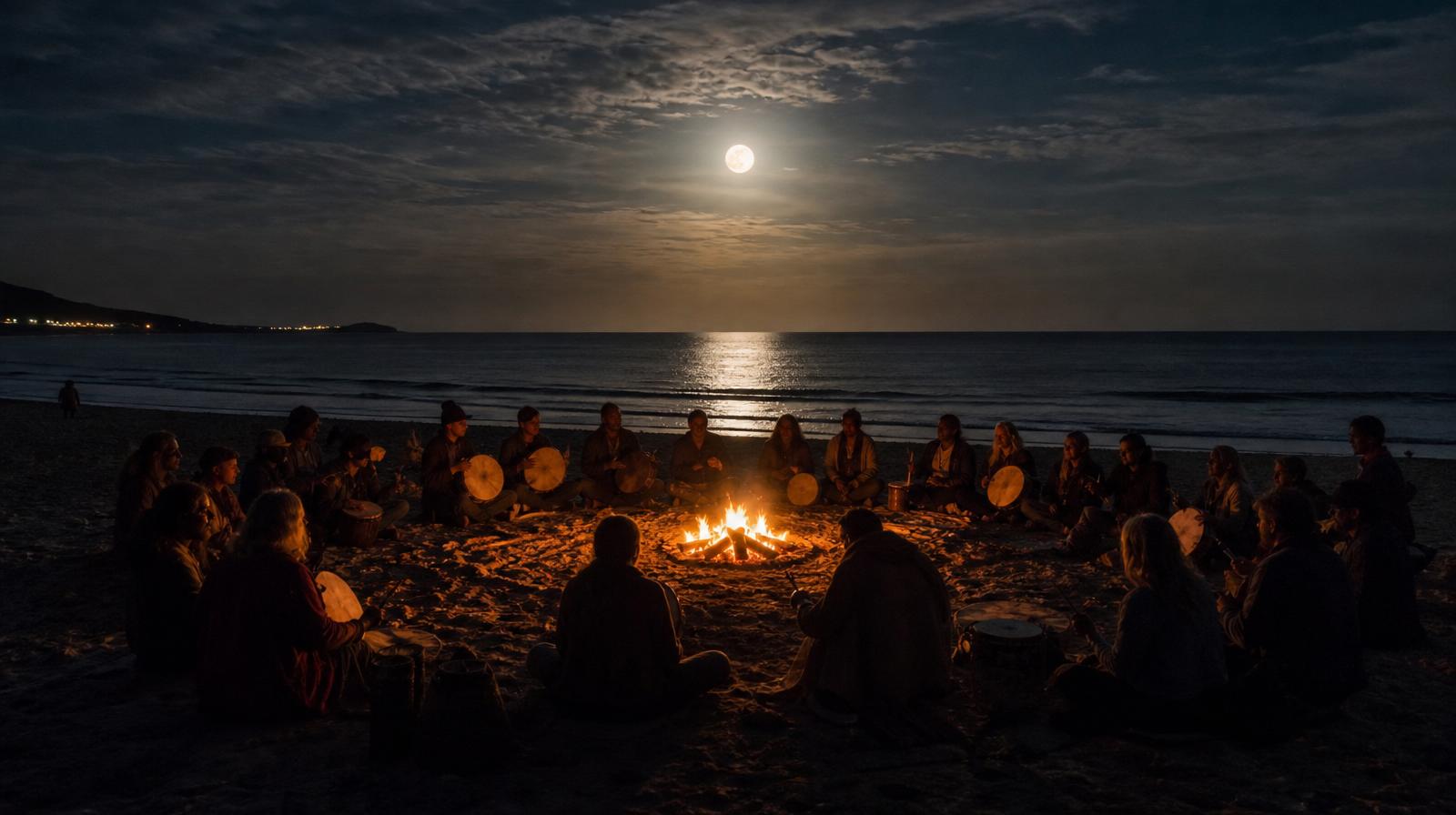
In the world of hand drumming, the heartbeat of the community is often found in the "donation-based" model. These gatherings represent a beautiful intersection of accessibility and sustainability. Unlike a high-priced workshop or a ticketed concert, a donation based drum circle operates on the principle of "give what you can," ensuring that the healing power of rhythm remains available to everyone, regardless of their financial situation.
Whether you are a seasoned djembe player or someone who has never touched a frame drum, these circles offer a low-pressure entry point into the world of group percussion. In this guide, we will explore how these circles function, what to bring, and how to navigate the etiquette of the "love offering."
What Exactly is a Donation Based Drum Circle?
A donation based drum circle is a community gathering where the organizers provide a space, and often instruments, without a mandatory fixed fee. Instead of a ticket price, participants are invited to contribute a financial gift to help cover costs. These costs typically include permit fees for parks, studio rent, insurance, and the maintenance of a "community pot" of instruments.
These events are often led by a professional facilitator who guides the group through call-and-response patterns and helps the rhythm stay cohesive. While some circles are strictly "free-form" jams, the donation model is most common in facilitated settings where the leader brings significant expertise to the center of the ring.
Why the Donation Model Matters for the Community
The primary philosophy behind these circles is inclusivity. Drumming is an ancient human birthright, and many facilitators believe that financial barriers should not prevent someone from experiencing the stress-relief and social bonding that occurs in a circle.
By offering a donation-based structure, organizers can:
- Foster Diversity: People from all walks of life, including students, seniors, and those in transition, can participate.
- Build Trust: It shifts the dynamic from a transaction to a shared community experience.
- Encourage Regularity: When the cost is flexible, people are more likely to attend local drum circles on a weekly or monthly basis, deepening their skills.
What to Expect at Your First Circle
When you arrive at a donation based drum circle, you will usually see a "donation jar" or a sign-in table near the entrance. It is common for the facilitator to give a brief introduction, explaining that the circle is supported by the generosity of its members.
In terms of music, expect a mix of instruments. You’ll hear the deep bass of the djembe, the sharp slap of the conga, and perhaps the melodic ringing of a doumbek. Many circles also feature "small percussion" like shakers, woodblocks, and bells, which are perfect for beginners who are still finding their internal metronome.
The Etiquette of Giving: How Much is Appropriate?
This is the most common question for newcomers: "If it’s donation-based, how much should I actually give?" While there is no hard rule, here are some community standards to help you decide:
- The "Suggested Donation": Many organizers will list a range, such as $10–$20. If you can afford the higher end, you are essentially "paying it forward" for someone who can only afford a few dollars.
- Consider the Venue: If the circle is held in a rented yoga studio or community center, the overhead is higher than a circle in a public park. Adjust your contribution accordingly.
- Instrument Usage: If the facilitator provides a high-quality djembe or dunun for you to use, consider adding a few extra dollars for the wear and tear on the instrument skins.
- Your Personal Budget: If you are truly struggling financially, do not let a lack of funds keep you away. Most facilitators would much rather have your heartbeat in the circle than an empty chair.
Essential Instruments for Community Circles
If you decide to attend regularly, you might want to invest in your own drum. This allows you to practice at home and ensures you always have a familiar voice in the circle. If you're looking to learn specific techniques before joining, you can find drum teachers who specialize in community-style playing.
Common instruments include:
- Djembe: The most popular choice for its versatility and wide range of tones.
- Frame Drum: Lightweight and portable, offering a spiritual and ancient sound.
- Cajon: A box drum that doubles as a seat, popular in acoustic and folk-leaning circles.
- Dunun: Large, cylindrical drums played with sticks that provide the rhythmic foundation.
Finding a Circle Near You
Donation-based events are often advertised on community boards, social media, or through dedicated rhythm directories. Many of these gatherings are held as full-moon celebrations, family-friendly park meets, or even as part of larger drumming retreats that offer a sliding scale for local residents.
When searching for a circle, look for terms like "love offering," "sliding scale," or "suggested contribution." These are all indicators of the donation-based philosophy. If you are looking for a more structured learning environment, you might also check out local drum schools to see if they host community jam nights.
The Impact of Your Contribution
It is important to remember that your donation goes far beyond just paying for your seat. It supports the facilitator’s time in transporting heavy equipment, the cost of replacing broken drum heads, and the marketing efforts required to keep the community growing. By contributing what you can, you are ensuring that the rhythm continues for the next person who needs the healing power of the drum.
Ready to find your rhythm? Find a drum circle near you and join the community today.
Frequently asked
- What if I don't have any money to donate?
- Most donation-based circles are truly inclusive. If you are currently unable to contribute financially, you are still welcome to participate. The goal of these circles is community connection; you can always contribute more in the future when your circumstances change.
- Do I need to bring my own drum to a donation circle?
- Many facilitators bring a 'community pot' of extra instruments, but it varies by event. It is always a good idea to check the event description or contact the organizer beforehand to see if loaner drums are available.
- Is a donation based drum circle the same as a free drum circle?
- While both are accessible, a 'free' circle usually has no expectation of payment (often funded by a city or grant), whereas a 'donation-based' circle relies on participant contributions to cover the facilitator's costs and venue fees.
- Can I bring my kids to these events?
- Most donation-based community circles are family-friendly and encourage all ages to participate. However, it is polite to check if the specific event is labeled as an 'all-ages' circle or a more meditative, adult-focused gathering.
Find a drum circle near you
Browse hundreds of circles, teachers and rhythm community gatherings.
Explore drum circles