
Top Drum Circle Activities: Engaging Games and Rhythms for
Discover creative drum circle activities and games that build community, improve rhythm, and make every gathering an unforgettable experience for facilitators and participants alike.
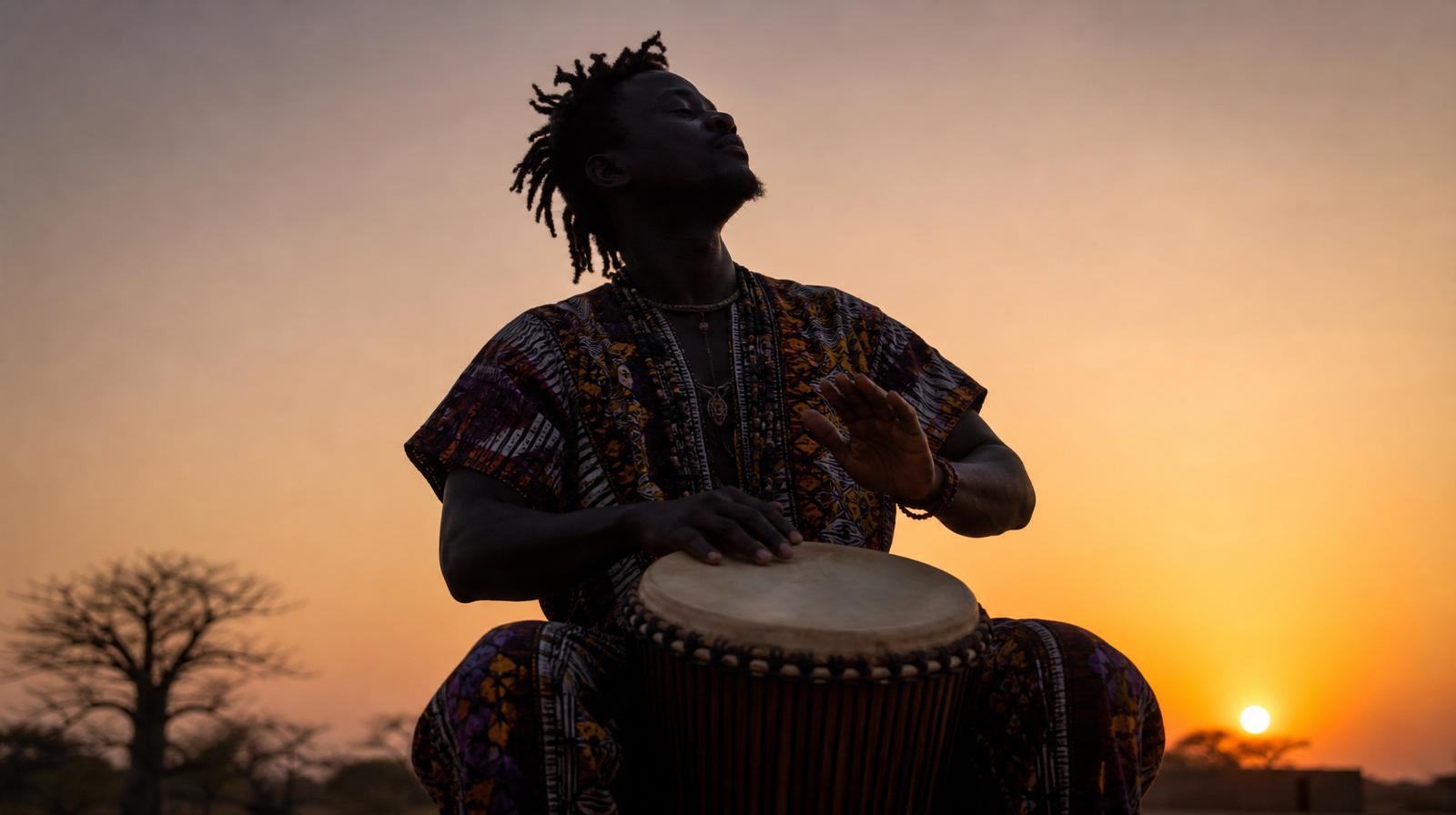
There is a unique magic that happens when a group of people sits in a circle, instruments in hand, waiting for that first beat to drop. Whether it is the deep resonance of a djembe, the sharp snap of a doumbek, or the steady pulse of a frame drum, the circle represents unity. However, even the most enthusiastic groups can sometimes hit a plateau. This is where intentional drum circle activities come into play.
As a facilitator or a community member, having a toolkit of activities helps transition a group from a collection of individuals into a singular, breathing rhythmic entity. These activities aren't just about music; they are about listening, empathy, and creative expression.
The Power of the Pulse: Warm-Up Activities
Before diving into complex polyrhythms, it is essential to ground the group. Warm-up activities serve to sync everyone’s internal metronome and break the ice.
- The Heartbeat Start: Have everyone close their eyes and begin a simple 'thump-thump' heartbeat rhythm on their drums. This mimics the first sound we ever hear in the womb and naturally calms the nervous system.
- Pass the Spark: One person plays a single, sharp note (a 'slap') and 'passes' it to the person on their right. The goal is to keep the spark moving around the circle as quickly and cleanly as possible without losing the tempo.
- Name and Groove: Each participant says their name and plays the rhythmic syllables of their name on their drum (e.g., 'Jo-na-than' becomes 'tap-tap-tap'). The rest of the circle repeats it back in a call-and-response fashion.
Rhythmic Games for Connection
Games are the heart of community drumming. They remove the pressure of 'performing' and replace it with the joy of playing. If you are looking to learn more about leading these, you might find guidance from professional drum teachers who specialize in community facilitation.
The Rumble and Stop
This is a classic for a reason. On the facilitator's signal (usually hands raised high), the entire circle performs a continuous roll or 'rumble.' When the facilitator drops their hands, everyone must stop instantly. The silence that follows a loud rumble is profound and teaches participants the importance of the 'space between the notes.'
Rhythm Telephone
The facilitator whispers a short rhythmic pattern (like 'one-two-and-three') on their drum to the person next to them. That person plays it quietly for the next person. By the time it returns to the facilitator, the rhythm has often mutated into something entirely new and wonderful.
Call-and-Response: The Universal Language
Call-and-response is a cornerstone of traditional drumming cultures, from West African djembe traditions to Afro-Cuban conga styles. It builds active listening skills and encourages participants to step into leadership roles.
In this activity, the leader plays a short phrase—the 'call'—and the group answers with a specific 'response.' You can start with simple four-beat phrases and gradually move into more syncopated patterns. This is an excellent way to introduce beginners to the unique voices of different instruments, such as the high-pitched 'tek' of a doumbek versus the deep 'bass' of a dunun.
Sculpting the Sound: Dynamic Facilitation
As the energy in the circle grows, you can use physical gestures to 'sculpt' the sound. This keeps the group engaged and prevents the drumming from becoming a monotonous 'wall of noise.'
- Volume Control: Use your hands to signal 'crescendo' (getting louder) and 'decrescendo' (getting quieter). Seeing thirty people bring their volume down to a tiny, delicate whisper is a powerful moment of collective focus.
- Sectional Soloing: Point to the woodblock and shaker players to keep the pulse while the djembe players take a four-bar solo. This highlights the different textures of the instruments.
- The Human Metronome: Assign a small group of steady players to hold the 'downbeat' while the rest of the circle experiments with improvisational 'off-beat' patterns.
Activities for Kids and Families
Family-friendly circles require a different pace. Kids thrive on imagery and movement. For those organizing school programs, consulting with established drum schools can provide age-appropriate curriculum ideas.
- Animal Rhythms: Ask the children to play like an elephant (slow, heavy bass notes) or like a rabbit (fast, light finger taps).
- The Rainstorm: Start with everyone rubbing their palms together (the wind), then finger-tapping on the drumheads (light rain), then full-on drumming (thunder), and slowly reversing the process until it is quiet again.
- Freeze Drum: Play a recorded track or a steady beat. When the music stops, everyone must freeze in a funny pose. This is great for burning off energy before settling into a focused rhythm.
Advanced Rhythms and Polycentric Play
For more experienced groups, often found at drumming retreats, activities can focus on polyrhythms—where two or more conflicting rhythms are played simultaneously.
One effective activity is the 'Three-against-Two' challenge. Divide the circle in half. One half plays a steady '1-2' pulse, while the other half plays a '1-2-3' triplet pattern over the same duration. This creates a complex, driving energy that is hallmarks of professional percussion ensembles.
Closing the Circle: Reflection and Gratitude
How you end a session is just as important as how you begin. Instead of just stopping, try a 'fading' activity. Ask everyone to gradually play softer and slower until the sound naturally dies out into a minute of silence. This allows the vibration to settle in the body. Follow this with a brief 'check-in' where participants can share one word about how they feel.
If you're looking for an organized gathering to practice these skills, check out the latest events in the drumming community.
Ready to put these activities into practice? Find a drum circle near you.
Frequently asked
- What are the best drum circle activities for beginners?
- Beginners benefit most from 'Call and Response' and 'The Rumble.' These activities don't require technical skill, but they immediately teach the basics of listening and following a facilitator's cues.
- How do you facilitate a drum circle for the first time?
- The key is to start simple and stay confident. Use clear hand signals for 'stop' and 'start,' and focus on keeping a steady pulse. Remember, your job is to serve the group's energy, not to show off your own drumming skills.
- What instruments are needed for these activities?
- A variety of percussion is best. While djembes and congas provide the foundation, adding 'small percussion' like shakers, bells, and woodblocks allows people of all comfort levels to participate in the activities.
Find a drum circle near you
Browse hundreds of circles, teachers and rhythm community gatherings.
Explore drum circles