
Drum Circle Austin: Your Guide to the Central Texas Rhythm
Experience the vibrant heartbeat of the Live Music Capital of the World with our deep dive into Austin's most welcoming drum circles.
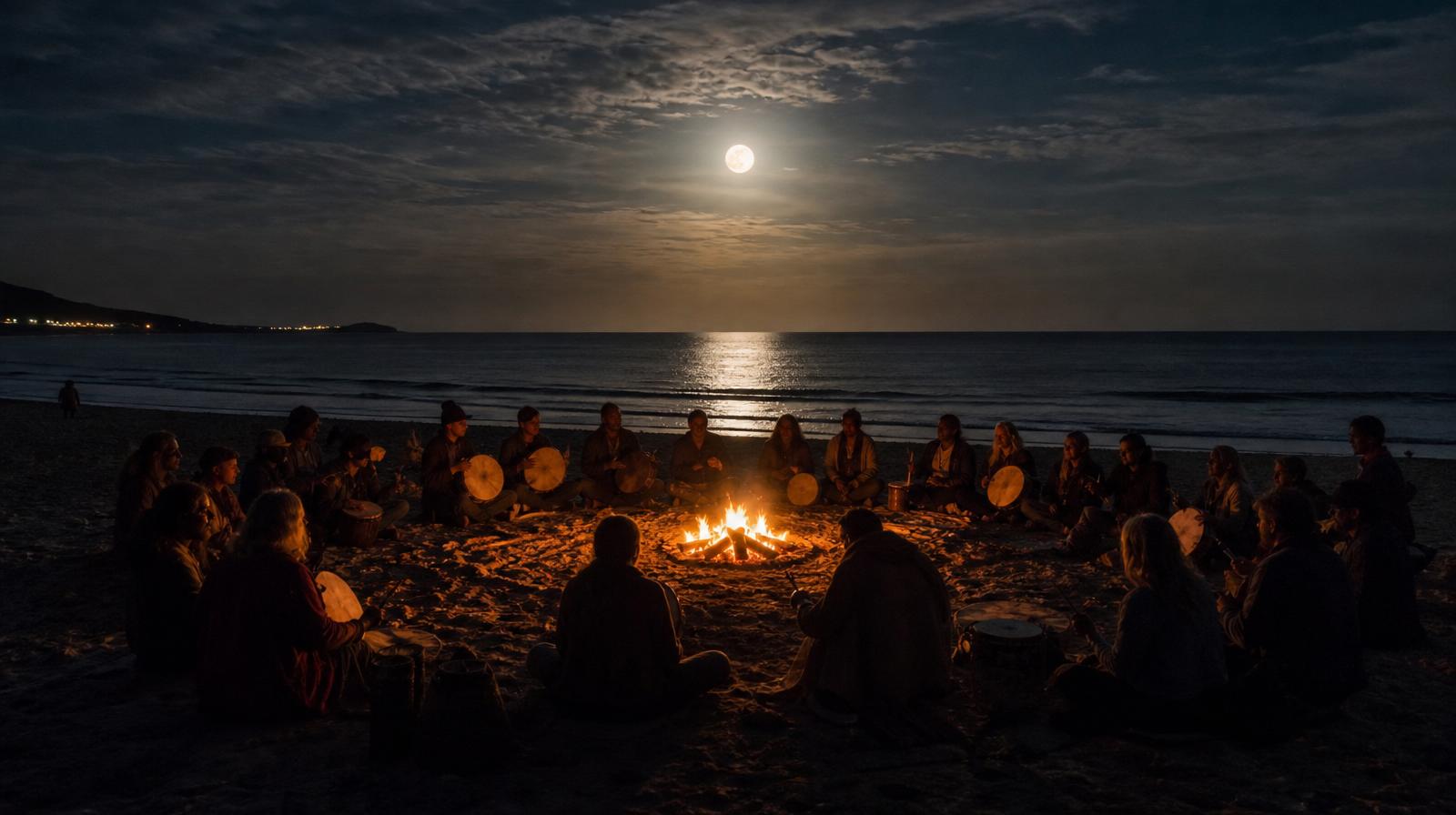
Austin, Texas, isn't just the "Live Music Capital of the World" because of its legendary blues and country scenes. Beneath the neon lights of Sixth Street and the polished stages of ACL Live lies a primal, rhythmic heartbeat. For decades, the Austin drum circle community has served as the city’s soulful foundation, offering a space where professional percussionists and total beginners sit side-by-side to share a groove.
Whether you are looking for a high-energy full moon gathering at Zilker Park or a therapeutic, meditative session in a Hill Country studio, Austin’s percussion landscape is as diverse as the city itself. In this guide, we explore the best places to find a drum circle in Austin, the instruments you’ll encounter, and how to jump into the rhythm.
The Spirit of Austin’s Drumming Community
In Austin, drumming is more than just keeping time; it is a form of community building. The local scene is known for its legendary inclusivity. Unlike some rigid musical environments, an Austin drum circle typically welcomes all skill levels. You will see master djembe players performing intricate polyrhythms right next to families with toddlers shaking maracas.
This "come as you are" attitude reflects the city’s long-standing "Keep Austin Weird" mantra. It is common to find circles that blend traditional West African rhythms with modern jam-band sensibilities, creating a unique Texas hybrid sound that is both grounding and ecstatic.
Top Locations for a Drum Circle in Austin
Zilker Park and the Full Moon Tradition
Perhaps the most iconic spot for an Austin drum circle is Zilker Metropolitan Park. Traditionally, informal gatherings often coalesce around the full moon. As the sun sets behind the Austin skyline, the sound of djembes and dununs begins to echo across the lawn. These are often family-friendly affairs where fire dancers and flow artists join the rhythmic celebration.
The Austin Samba Scene
While many circles are improvisational, Austin is also home to structured groups like Austin Samba. They often hold community events and workshops that bring the thunderous energy of Brazilian Carnival to the streets of Texas. If you are looking for a high-energy environment with surdos and tamborims, this is your tribe.
Indoor Community Spaces and Studios
When the Texas heat becomes too much, the rhythm moves indoors. Several yoga studios and community centers in North and South Austin host monthly facilitated circles. These are excellent for beginners because they often include a drum teacher who can guide the group through basic techniques and call-and-response patterns.
Essential Instruments: What to Bring
You don’t need a massive kit to join a drum circle in Austin. Most participants bring portable hand drums. If you are new to the scene, here are the most common instruments you’ll see:
- Djembe: The king of the circle. This West African drum offers deep bass notes and sharp slaps.
- Congas: Common in Latin-influenced circles, providing a melodic, warm tone.
- Doumbek: A goblet-shaped drum from the Middle East, perfect for intricate finger-work.
- Frame Drums: Often used in more meditative or spiritual gatherings.
- Small Percussion: Shakers, cowbells, and tambourines are vital for holding the "pulse" of the circle.
If you don't own an instrument yet, don't worry. Many facilitated events in Austin provide loaner drums for a small fee or a donation.
Drum Circle Etiquette for Beginners
To ensure everyone has a great time, there are a few unwritten rules for participating in a drum circle in Austin:
- Listen First: Before you start playing, listen to the established groove for a minute. Find the "heartbeat" of the rhythm.
- Leave Space: You don't have to play on every beat. Silence is a musical note, too. Leave room for others to be heard.
- Support the Pulse: The bass drums (like the dunun or the low tones of a djembe) are the foundation. Try to support that pulse rather than playing over it.
- Ask Before Borrowing: Austin drummers are generally very generous, but always ask before playing someone else’s drum.
- Follow the Facilitator: If the circle has a leader, watch for their signals to start, stop, or change the tempo.
Benefits of Joining an Austin Drum Circle
Beyond the musical fun, drumming offers significant health and wellness benefits. Many Austinites use these circles as a form of "active meditation." The rhythmic repetition helps reduce stress, lowers blood pressure, and boosts the immune system. In a fast-growing city like Austin, finding a place to unplug from technology and plug into human connection is essential for mental well-being.
For those looking to deepen their practice, checking out local drum schools can provide the technical foundation needed to move from a casual hobbyist to a confident community contributor.
How to Find Your Rhythm in the Hill Country
Finding a consistent drum circle in Austin can sometimes feel like chasing a heartbeat—you have to know where to listen. While some gatherings are spontaneous, many are listed on community boards and social media groups dedicated to Austin percussion.
If you are traveling to Central Texas, consider looking for drumming retreats in the nearby Hill Country. These multi-day events offer an immersive experience far from the city noise, allowing you to focus entirely on the drum and the community.
Find a drum circle near you by visiting our global directory.
Frequently asked
- Do I need to be a professional drummer to join a drum circle in Austin?
- Absolutely not. Most Austin drum circles are open to all skill levels, from total beginners to professionals. The community is very welcoming and usually happy to help newcomers find the beat.
- Are Austin drum circles kid-friendly?
- Yes, many of the outdoor gatherings at parks like Zilker are very family-friendly. It is quite common to see children playing shakers or small drums alongside their parents.
- What should I bring to a drum circle?
- Bring a drum if you have one, a comfortable folding chair or blanket, and plenty of water—especially for outdoor summer events. If you don't have a drum, many people bring small hand percussion like shakers or even just their clapping hands.
Find a drum circle near you
Browse hundreds of circles, teachers and rhythm community gatherings.
Explore drum circles