
Drum Circle Bali: A Guide to Rhythm in the Island of the
Discover the vibrant world of Bali drum circles, from the sandy shores of Canggu to the spiritual heart of Ubud's world-class rhythm retreats.
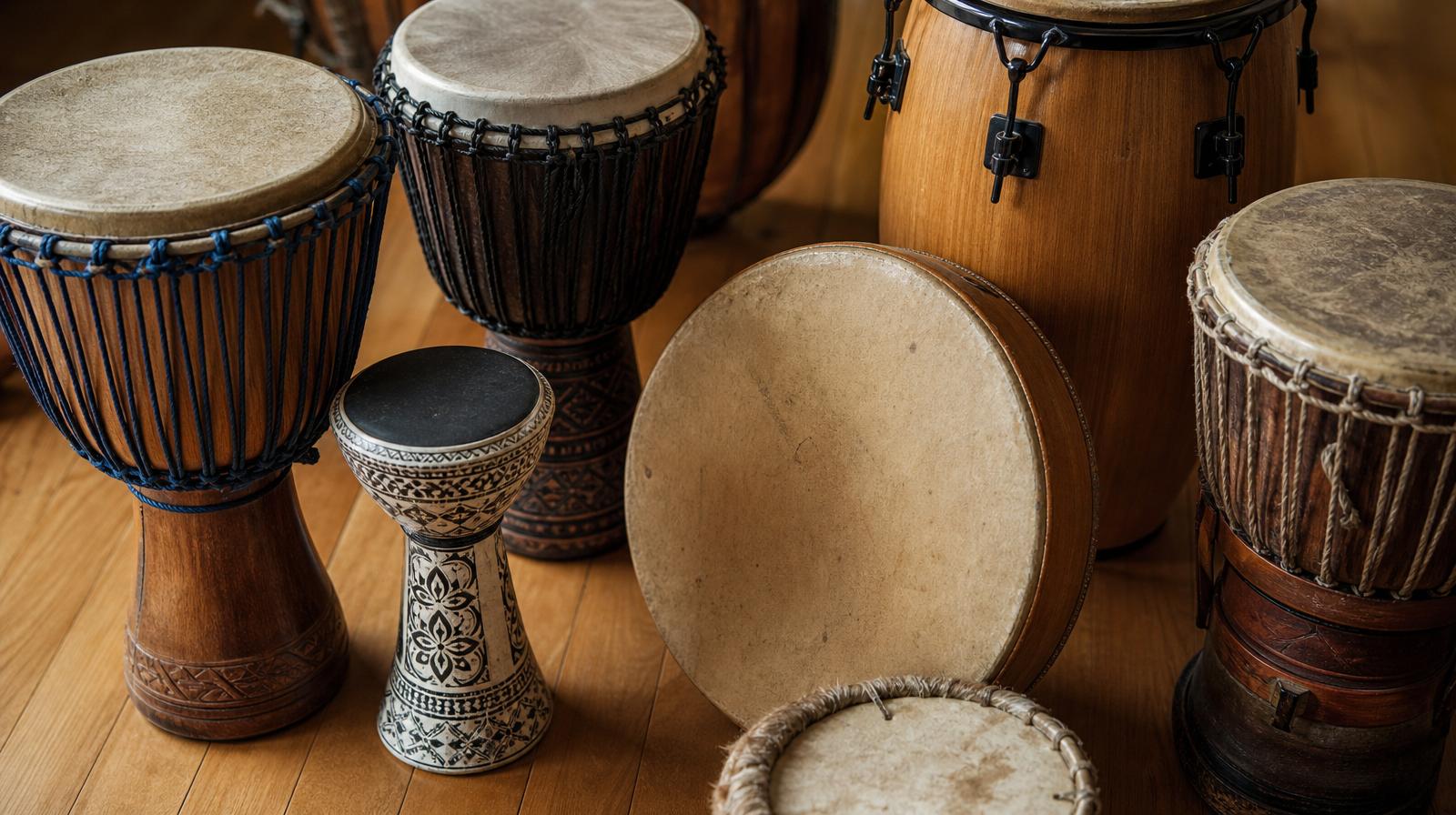
Bali is often called the "Island of the Gods," known for its emerald rice terraces, ancient temples, and a deep-seated spiritual pulse. But for percussionists and rhythm seekers, there is another layer to this paradise: the vibrant, heartbeat-like sound of a drum circle Bali locals and travelers create together every day.
Whether you are a seasoned djembe player or a curious traveler looking to tap into your first beat, Bali offers a unique intersection of traditional Indonesian percussion and global hand-drumming culture. From the sunset sands of Canggu to the lush jungles of Ubud, the island is a sanctuary for those who believe in the healing power of the drum.
The Unique Vibe of Drumming in Bali
What makes a drum circle in Bali different from one in Los Angeles or London? It is the spirit of Gotong Royong—the Indonesian concept of mutual cooperation. In Bali, rhythm isn't just a performance; it is a community service and a form of prayer.
You will find that Bali drum circles often blend traditional African rhythms played on the djembe and dununs with the intricate, metallic shimmer of Balinese Gamelan influences. This fusion creates a sonic landscape that is both grounding and transcendent. The circles here are inclusive, welcoming everyone from professional conga players to beginners holding their first frame drum.
Where to Find a Drum Circle: Bali’s Top Locations
Ubud: The Spiritual Heartbeat
Ubud is the undisputed center for wellness and the arts in Bali. Here, you will find weekly gatherings at world-renowned yoga centers and community hubs. These circles are often focused on the meditative and therapeutic aspects of drumming. If you are looking for drumming retreats that combine rhythm with yoga and meditation, Ubud is your primary destination.
Canggu and Seminyak: Beachside Beats
As the sun begins to dip into the Indian Ocean, the beaches of Canggu come alive. These circles are generally more informal and high-energy. Expect a mix of locals, expats, and digital nomads gathered around a bonfire. The sound of the waves provides a natural backbeat to the djembes and doumbeks, making it a perfect spot for those who enjoy a more social, party-like atmosphere.
Sanur: The Family-Friendly Groove
Sanur offers a calmer vibe, ideal for those traveling with children. The drum circles here often take place in beachfront gardens and emphasize accessibility. It’s a great place to introduce kids to the joy of rhythm in a safe, supportive environment.
Popular Instruments You’ll Encounter
While the djembe is the king of the Bali drum circle, the diversity of instruments is vast. Because Bali is a global crossroads, you will see a fascinating array of percussion:
- Djembe: The most common lead instrument, prized for its wide range of tones and slaps.
- Dunun: These large, cylindrical drums provide the melodic bass foundation for West African-style rhythms.
- Congas and Bongos: Frequently brought by the Latin jazz community residing on the island.
- Frame Drums: Often used in more meditative, "Sound Healing" oriented circles in Ubud.
- Traditional Balinese Percussion: Occasionally, you’ll see the Kendang (a double-ended barrel drum) integrated into the jam, bridging the gap between local tradition and global beats.
Bali Drumming Etiquette for Visitors
If you are joining a drum circle Bali style for the first time, a few cultural nuances will help you blend in seamlessly:
- Listen First: Before jumping in with a loud solo, listen to the established groove for at least a few minutes.
- Respect the Lead: Many circles have a facilitator who uses "call-and-response" signals to change the tempo or end a song. Keep an eye out for these cues.
- Ask Before Borrowing: Bali is a generous place, but instruments are sacred. Always ask before playing someone else’s drum.
- Support Local Makers: Bali is home to incredible artisans. If you fall in love with the rhythm, consider visiting a local workshop to purchase a handcrafted drum rather than a mass-produced souvenir.
Deepening Your Practice: Lessons and Retreats
For those who want to do more than just join a casual jam, Bali offers world-class educational opportunities. Many master drummers from West Africa and South America spend their winters here, offering intensive workshops.
You can find dedicated drum teachers who offer private lessons in the hills of Tegallalang or join one of the many drum schools that have popped up to serve the growing community. These schools often focus on the technical aspects of hand-to-hand patterns, speed, and traditional rhythmic notation.
The Health and Wellness Connection
In Bali, drumming is frequently paired with "Ecstatic Dance" and sound healing ceremonies. The community believes that the vibration of the drum helps release trapped emotions and aligns the body’s energy centers. Many travelers visit Bali specifically for these therapeutic circles, finding that the combination of the tropical environment and the rhythmic pulse provides a profound sense of clarity and rejuvenation.
If you are planning a trip, checking a local events calendar is the best way to see if any special full-moon drumming ceremonies are taking place during your stay. These are often the most magical and high-energy gatherings on the island.
Conclusion
Whether you are standing on the black sands of Keramas or sitting cross-legged in a bamboo shala in Ubud, a drum circle in Bali is an experience that stays with you long after the flight home. It is a reminder that rhythm is a universal language, capable of crossing cultural divides and connecting us to the present moment.
Ready to find your beat? Find a drum circle near you and start your rhythmic journey today.
Frequently asked
- Do I need to bring my own drum to a Bali drum circle?
- While bringing your own instrument is always welcomed, many organized circles in Ubud and Canggu provide extra djembes or percussion toys for a small rental fee or donation. If you're attending an informal beach jam, it's best to bring your own or arrive early to see if someone has a spare to share.
- Are drum circles in Bali beginner-friendly?
- Yes, the majority of Bali's drumming community is incredibly welcoming to beginners. Most circles follow a community-style format where the focus is on connection rather than technical perfection, making it a safe place to learn basic strokes.
- When is the best time of year for drumming retreats in Bali?
- The dry season (April to October) is the peak time for outdoor drum circles and large-scale retreats. However, the rainy season (November to March) often sees more intimate, indoor gatherings in Ubud that are perfect for deep, meditative practice.
- Where can I buy a high-quality djembe in Bali?
- Ubud and the surrounding villages like Mas are famous for woodcarving. You can find high-quality, professional-grade djembes made from mahogany or jackfruit wood at specialty music shops and local artisan workshops throughout the Gianyar regency.
Find a drum circle near you
Browse hundreds of circles, teachers and rhythm community gatherings.
Explore drum circles