Drum Circle for Beginners: Your Ultimate Guide to Rhythm &
Step into the rhythm with confidence using our comprehensive guide to your first drum circle, covering everything from etiquette to choosing the right instrument.
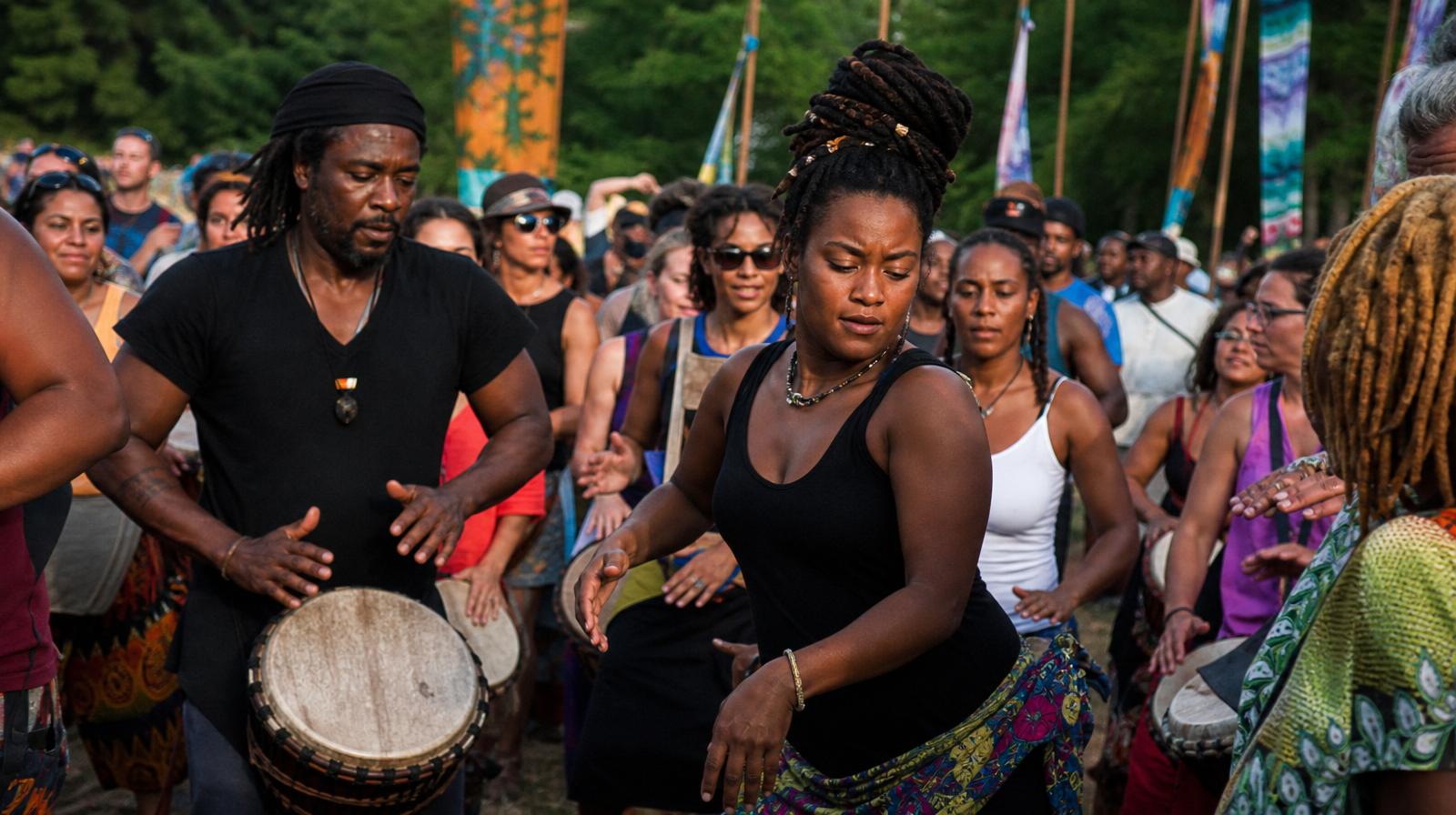
There is a unique magic that happens when a group of people gathers in a circle, instruments in hand, to create a collective heartbeat. If you have ever walked past a park or a community center and heard the resonant thump of a djembe or the bright snap of a doumbek, you have felt the pull of the drum circle.
For many, the idea of joining in can feel intimidating. You might wonder: Do I need to be a musician? What if I lose the beat? What do I bring? This guide to the drum circle for beginners is designed to quiet those nerves and help you find your place in the rhythm.
What Exactly is a Drum Circle?
At its core, a drum circle is a group of people playing hand-drums and percussion together in a collaborative, improvisational setting. Unlike a band rehearsal or a concert performance, the goal isn't to play for an audience; the goal is the experience itself.
There are generally two types of circles you will encounter:
- Facilitated Drum Circles: A leader (the facilitator) guides the group through rhythms, using hand signals to change the tempo, volume, or to start and stop. These are fantastic for beginners because they provide structure.
- Community (Organic) Drum Circles: These are more free-form. One person starts a beat, and others layer their rhythms on top. These often occur at beaches, parks, or full-moon gatherings.
Choosing Your First Instrument
You don't need a thousand-dollar setup to participate. In fact, many circles have an "instrument tree" or a basket of shared percussion for those who don't own a drum yet. If you are ready to buy your first instrument, here are the most common choices:
- The Djembe: The king of the drum circle. This goblet-shaped West African drum is versatile, offering deep bass notes and sharp, high-pitched slaps.
- The Conga: A tall, narrow Cuban drum played with the hands. It has a melodic, warm tone.
- The Doumbek: A goblet drum from the Middle East, often made of ceramic or metal, known for its crisp, articulate sounds.
- Frame Drums: Large, shallow drums like the Irish bodhrán or the Native American hoop drum. They are lightweight and deeply resonant.
- Auxiliary Percussion: If you aren't ready to drum, bring a shaker, a cowbell, or a woodblock. These "flavor" instruments are the glue that holds the rhythm together.
If you want to master a specific instrument before diving in, consider connecting with drum teachers who can show you the proper hand techniques to avoid fatigue.
Essential Drum Circle Etiquette
Every community has its unwritten rules. Following these simple guidelines ensures that the circle remains a welcoming space for everyone:
- Listen More Than You Play: When you first join, listen to the established beat for a minute before jumping in. Find the "heartbeat" (the pulse) and lock in.
- Don't Overpower Others: A drum circle is a conversation, not a solo. If you can't hear the person sitting next to you, you are probably playing too loudly.
- Ask Before Playing Someone Else's Drum: Many drummers view their instruments as sacred or personal. Always ask permission before trying out a drum that isn't yours.
- Support the Facilitator: If there is a leader, give them your attention. They are there to help the group sound cohesive.
- Leave Space: You don't have to play on every single beat. Silence and rhythmic "gaps" are what make a groove feel funky and breathable.
Basic Playing Techniques for Beginners
Most hand drums rely on three basic sounds. Mastering these will allow you to play along with almost any rhythm:
- The Bass: Hit the center of the drum head with your full palm. Let your hand bounce off immediately to let the drum resonate.
- The Tone: Hit the edge of the drum with your fingers together. This creates a clear, melodic sound.
- The Slap: Similar to the tone, but with fingers slightly relaxed and splayed. This creates a sharp, popping sound that cuts through the mix.
Practicing these three hits will give you a solid foundation. If you find yourself struggling, many drum schools offer introductory workshops specifically for community drumming.
The Health and Social Benefits of Drumming
Beyond the music, drumming is scientifically proven to reduce stress and boost the immune system. The repetitive nature of the rhythm induces a meditative state, often referred to as "rhythmic entrainment."
Socially, it is one of the few places where age, profession, and background don't matter. In the circle, everyone is equal. Whether you are at a family-friendly afternoon jam or one of the many immersive drumming retreats held globally, you are building a sense of belonging that is hard to find elsewhere.
Finding Your Local Rhythm Community
Ready to take the plunge? Finding a circle is easier than you think. Many take place in public parks, yoga studios, or community centers. You can also check our events page for upcoming festivals and special workshops.
Don't be afraid to show up as a beginner. The drumming community is notoriously inclusive. Most long-time drummers love seeing new faces and are more than happy to show you a basic 4/4 beat to get you started.
Find a drum circle near you and start your rhythmic journey today!
Frequently asked
- Do I need to be a musician to join a drum circle?
- Absolutely not! Drum circles are about community and expression rather than technical skill. If you can clap your hands, you can participate in a drum circle.
- What should I wear to a drum circle?
- Comfort is key. Wear loose-fitting clothing that allows you to sit comfortably with a drum between your legs. Avoid wearing rings or large bracelets, as these can damage the drum skin and hurt your hands.
- Is it okay to bring a child to a drum circle?
- Most community circles are family-friendly and welcome children. However, it is always best to check the event description or ask the organizer beforehand to ensure the environment is appropriate for younger drummers.
Find a drum circle near you
Browse hundreds of circles, teachers and rhythm community gatherings.
Explore drum circles