
Unlocking the Power of Rhythm: 12 Life-Changing Drum Circle
Discover how joining a drum circle can reduce stress, boost your immune system, and build deep community connections through the ancient power of the beat.
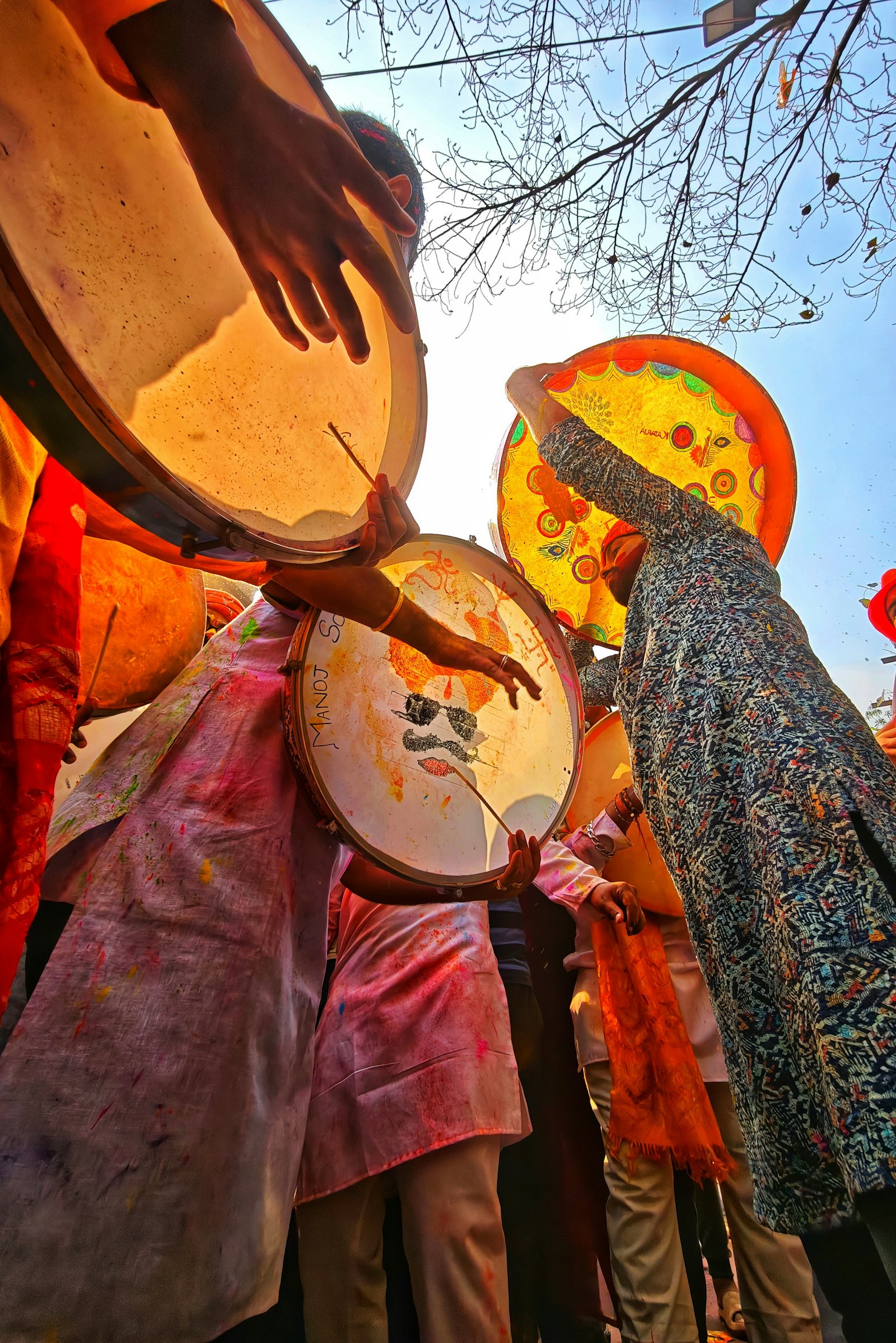
There is something primal and deeply moving about the sound of a drum. When you step into a drum circle, you aren't just joining a musical performance; you are entering a shared vibration that has been part of the human experience for millennia. Whether it’s a high-energy gathering on a beach at sunset or a focused therapeutic session in a community center, the benefits of group drumming extend far beyond the music itself.
At Drum Circle Directory, we’ve seen firsthand how rhythm transforms lives. From the first-timer nervously tapping a djembe to the seasoned facilitator leading a complex call-and-response, the "drum circle benefits" are accessible to everyone, regardless of musical talent. In this guide, we’ll explore the profound ways that hitting the drum can heal your body, clear your mind, and connect your spirit to the community.
1. Radical Stress Reduction and Relaxation
In our fast-paced, digital world, our nervous systems are often stuck in a state of "fight or flight." Drumming offers a physical outlet for pent-up tension. The repetitive, rhythmic nature of striking a drum—whether it's a deep-toned conga or a crisp doumbek—induces a state of relaxation.
Studies have shown that group drumming lowers cortisol levels (the stress hormone). As you focus on the beat, the chatter of the mind begins to fade, replaced by the grounding presence of the rhythm. This "alpha state" is similar to deep meditation, allowing your brain to rest while your body remains active.
2. Boosting the Immune System
It might sound surprising, but drumming is actually good for your physical health at a cellular level. Research led by neurologist Dr. Barry Bittman suggests that group drumming increases the activity of Natural Killer (NK) cells. These specialized white blood cells are the body's first line of defense against viruses and even certain types of cancer cells.
By participating in a structured rhythm session, you aren't just having fun; you are giving your immune system a natural boost. This makes rhythm a powerful tool for preventative wellness.
3. Building Deep Community Connections
Humans have a fundamental need to belong. In a drum circle, the barriers of age, race, religion, and socio-economic status disappear. When twenty people are locked into the same groove, they are communicating on a level that words cannot reach.
- Inclusive Environment: Most circles are non-judgmental spaces where beginners are welcomed with open arms.
- Shared Purpose: Everyone contributes to the "song," creating a sense of collective achievement.
- Combating Loneliness: Regular attendance at local drum circles helps individuals build a supportive social network.
4. Enhanced Brain Function and Synchronicity
Drumming is a full-brain workout. It requires the coordination of both the left hemisphere (responsible for logic and counting) and the right hemisphere (responsible for intuition and creativity). This synchronization, often called hemispheric integration, can lead to improved cognitive function and mental clarity.
For those looking to deepen their technical skills, working with drum teachers can further stimulate these neural pathways, helping you master complex polyrhythms that keep the brain sharp and resilient.
5. Emotional Release and Trauma Healing
Sometimes, we carry emotions that are too heavy for words. Drumming provides a non-verbal language to express grief, anger, or joy. The physical act of drumming allows for the release of stored emotional energy.
Many therapeutic programs use the frame drum or djembe to help individuals processing trauma. The rhythmic vibration can help "re-regulate" the nervous system, providing a safe container for emotional expression. This is why many drumming retreats focus specifically on the intersection of rhythm and inner healing.
6. Improving Physical Coordination and Motor Skills
Whether you are playing a large dunun with sticks or using your fingertips on a Moroccan ceramic drum, you are developing fine and gross motor skills. Drumming requires hand-eye coordination and a sense of timing that improves with practice.
For seniors, drumming is an excellent way to maintain dexterity and balance. For children, it helps develop rhythm and timing that can translate into better performance in sports and other musical endeavors found at various drum schools.
7. Natural Chronic Pain Management
Drumming can serve as a powerful distraction from chronic pain. When you are fully immersed in a rhythmic environment, the brain produces endorphins and endogenous opiates—the body's natural painkillers. While it isn't a cure-all, many participants find that their perception of pain decreases significantly during and after a session.
8. Mindfulness and Being in the "Now"
You cannot drum in the past or the future; the beat only happens in the present moment. This inherent mindfulness is one of the greatest drum circle benefits. It forces the player to listen—not just to themselves, but to the entire group. This deep listening fosters a state of flow, where time seems to disappear and you are fully present with the music.
9. Developing Self-Expression and Confidence
For many, the idea of performing in public is terrifying. However, the supportive nature of a drum circle allows individuals to take risks. Maybe you try a small solo or experiment with a new syncopated beat. As you find your voice within the rhythm, your self-confidence grows, often spilling over into other areas of your life.
10. Cultural Education and Appreciation
Drumming is a gateway to the world. By learning the rhythms of the West African djembe, the Middle Eastern darbuka, or the Afro-Cuban congas, you are connecting with the history and traditions of global cultures. Understanding the origins of these instruments fosters a deeper respect for the diverse ways humans have used rhythm to celebrate and mourn throughout history.
11. Joy and Pure Fun
We shouldn't overlook the simplest benefit: it feels good! The sheer joy of making a loud noise in a rhythmic way is infectious. Laughter is a common sound in any drum circle. This release of "happy hormones" like dopamine and serotonin provides a natural mood lift that can last for days after the event ends.
12. Accessibility for All Abilities
One of the most beautiful aspects of the drum circle is that it is accessible to almost everyone. You don't need to read music or have years of training. If you can heartbeat, you have rhythm. Many facilitators specialize in working with diverse populations, ensuring that everyone—regardless of physical or cognitive ability—can experience the magic of the circle.
Summary: Why You Should Join a Circle Today
The drum circle benefits are holistic, touching the mind, body, and soul. Whether you are looking for a way to de-stress after a long work week, a path to physical healing, or a sense of belonging in a fragmented world, the rhythm is waiting for you. Grab a drum, find your seat, and let the beat take you home.
Find a drum circle near you and start your rhythmic journey today.
Frequently asked
- Do I need to own a drum to join a drum circle?
- In many cases, no. Most public drum circles have 'extra' instruments or 'loaner' drums for newcomers to use. However, it is always a good idea to check the event description on the Drum Circle Directory or contact the facilitator beforehand to see if you should bring your own percussion.
- What if I have no musical rhythm or experience?
- That is perfectly fine! Most community drum circles are designed for all skill levels, including absolute beginners. The beauty of a circle is that the collective beat supports everyone; you can start with a simple, steady pulse and grow from there as you feel more comfortable.
- Are drum circles child-friendly?
- Many drum circles are family-friendly and welcome children of all ages. Drumming is a fantastic way for kids to develop social skills and coordination. Look for events specifically labeled as 'family circles' or 'community jams' to ensure a kid-friendly environment.
- How long does a typical drum circle last?
- Most community drum circles last between 90 minutes and two hours. This usually includes a brief introduction, several long periods of playing, and a 'cool down' period at the end. Some high-energy beach or festival circles may last much longer into the night.
Find a drum circle near you
Browse hundreds of circles, teachers and rhythm community gatherings.
Explore drum circles