How to Host a Drum Circle Birthday Party: A Guide to Rhythm
Transform your next celebration into an unforgettable rhythmic journey with a drum circle birthday party that connects guests through the power of the beat.
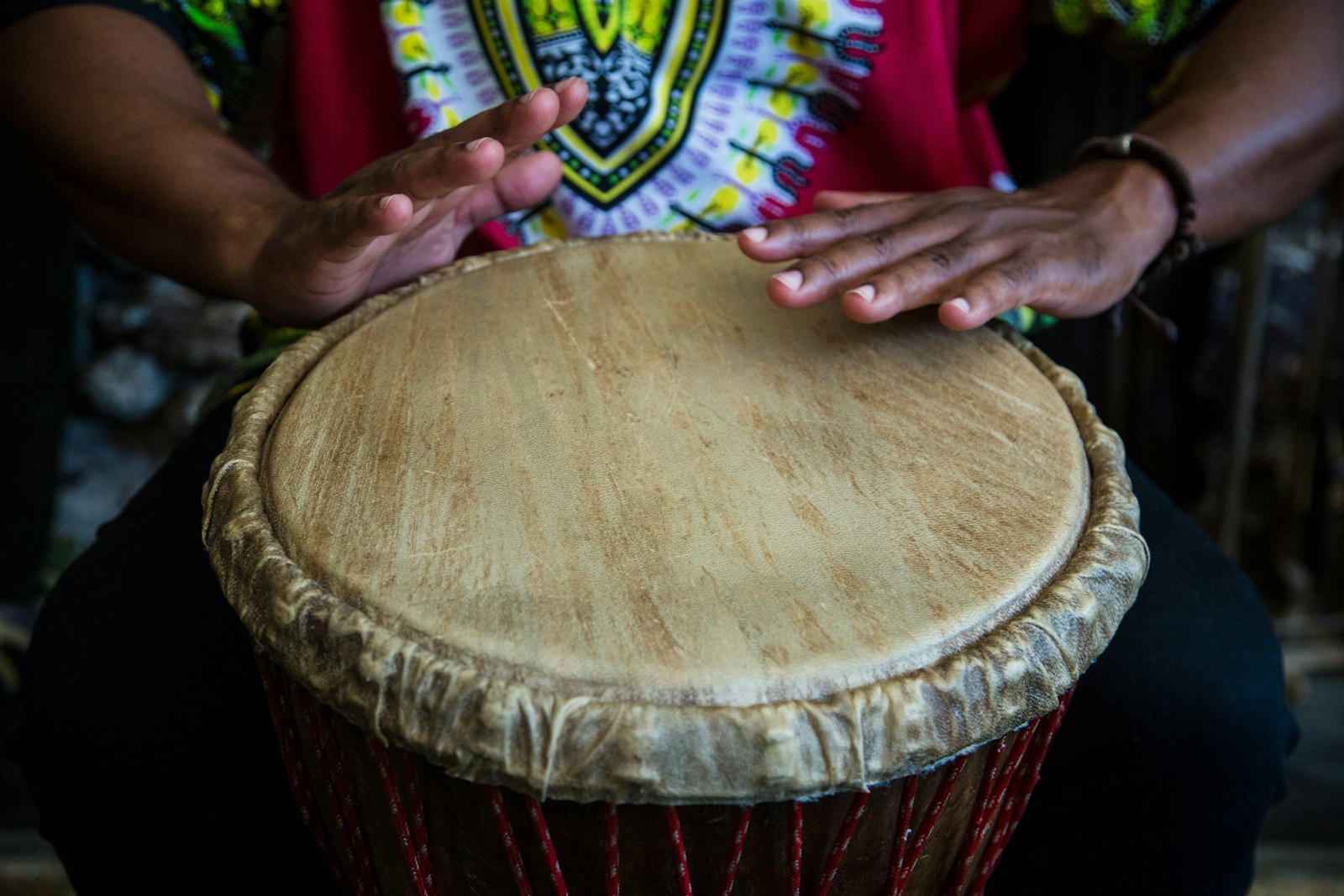
When it comes to celebrating another trip around the sun, most people default to the standard dinner party or a night out. But there is a growing movement toward celebrations that offer something deeper: connection, creative expression, and pure, unadulterated joy. A drum circle birthday party is a vibrant, inclusive, and high-energy way to bring friends and family together through the universal language of rhythm.
Whether you are turning eight or eighty, the pulse of the drum resonates with everyone. You don't need to be a professional musician to participate. In fact, the magic of a drum circle lies in the fact that the collective sound is greater than the sum of its parts. In this guide, we will explore how to plan, organize, and facilitate a rhythmic birthday bash that your guests will talk about for years to come.
Why Choose a Drum Circle for Your Birthday?
Traditional parties often involve people standing in small groups, making small talk. A drum circle breaks down those social barriers instantly. From the moment the first djembe strikes, the group is unified. It is an egalitarian experience where every voice—or beat—matters.
Drumming also releases endorphins and reduces stress. It is a healthy, alcohol-free way to get a "high" from the synergy of the group. Plus, it is incredibly photogenic and provides a sensory experience that stays with guests long after the last beat has faded. If you are looking for something truly unique, checking our events calendar can give you inspiration on how others are integrating rhythm into their milestones.
Selecting the Right Instruments
To have a successful drum circle birthday party, you need a variety of sounds. You don't want twenty people all hitting the same type of drum; you want a "rhythmic orchestra." Consider a mix of the following:
- The Bass: Large djembes or dununs provide the heartbeat of the circle. They ground the rhythm and give the music its foundation.
- The Mid-Range: Congas and tubanos offer warm, melodic tones that fill out the sound.
- The High Notes: Doumbeks or smaller frame drums add crisp, sharp accents that cut through the mix.
- Percussion Toys: Not everyone wants to sit behind a big drum. Provide plenty of shakers, tambourines, cowbells, and woodblocks. These are especially great for younger children or guests who might feel a bit shy at first.
If you don't own a mountain of instruments, don't worry. Many drum schools offer rental kits specifically for private events.
To Facilitate or Not to Facilitate?
This is the biggest question for any drum circle birthday party. A facilitator is like a rhythmic master of ceremonies. They don't just play; they guide the energy of the room, teach basic techniques, and lead fun games like call-and-response.
- The Case for a Facilitator: If your guests are mostly beginners, a professional facilitator ensures the noise doesn't become chaotic. They keep the rhythm steady and help everyone feel successful. You can find experienced professionals through our directory of drum teachers who often specialize in event facilitation.
- The DIY Approach: If your friend group is full of musicians or regular drummers, you might prefer a "freestyle" circle. This works best when there is a natural leader in the group who can start and stop rhythms organically.
Setting the Scene: Location and Atmosphere
A drum circle can happen almost anywhere, but environment plays a huge role in the vibe.
Outdoor Circles: Parks, backyards, or beaches are classic choices. The open air allows the sound to travel without becoming overwhelming. Just be sure to check local noise ordinances and permit requirements for amplified or loud percussion.
Indoor Circles: If you are hosting at home, a living room with the furniture pushed back works well. If you have a large guest list, consider renting a community center or a yoga studio. Soften the room with rugs and cushions to help with acoustics and guest comfort.
The Layout: Always set up in a circle. This ensures everyone can see each other, which is vital for non-verbal communication and keeping the beat together. Place the larger drums in the center or spaced evenly to balance the bass.
Creating a Rhythmic Itinerary
A great drum circle birthday party has a flow. You don't want to just drum for three hours straight. Here is a sample structure:
- The Warm-up (15 mins): As guests arrive, let them pick an instrument and experiment. Keep the volume low.
- The Opening Beat (10 mins): The facilitator (or host) starts a simple, steady pulse. Everyone joins in to find the common heartbeat.
- Rhythm Games (30 mins): Incorporate "Rumble and Stop" games or "Pass the Beat" where one person plays a short rhythm and the next person mimics it.
- The Main Jam (45 mins): This is where the energy peaks. Let the rhythm evolve naturally. This is a great time for the birthday guest of honor to take a "solo" in the center of the circle.
- The Cool Down (15 mins): Transition into slower, more melodic drumming. This is a beautiful time for a "rhythmic blessing" for the birthday person.
- Cake and Connection: End the drumming and move into the social portion of the evening.
Etiquette and Tips for Guests
If your guests are new to drumming, a few quick tips will help them feel at ease:
- Listen as much as you play: The best drummers are those who contribute to the overall sound rather than trying to play over everyone else.
- Support the beat: If you get lost, just stop, listen for the bass drum, and find the steady pulse again.
- Respect the instruments: Treat the drums with care—remove rings or large bracelets that might scratch the drum heads.
- Family-friendly fun: If children are present, encourage them to try the smaller percussion instruments first so they don't get overwhelmed by the volume of the larger drums.
Finding Resources for Your Party
Planning a drum circle birthday party is an act of love and community. It is a gift of rhythm that stays with your guests long after the cake is eaten. Whether you are looking for a venue, a teacher to lead the session, or a local group to join for practice before the big day, we are here to help.
Find a drum circle near you to see how the pros do it and get your rhythm ready for the big celebration!
Frequently asked
- Do I need to know how to drum to have a drum circle birthday party?
- Not at all! One of the best things about a drum circle is that it is beginner-friendly. A facilitator can teach basic hand techniques in just a few minutes, allowing everyone to participate regardless of their musical background.
- How many drums do I need for a party?
- Ideally, you should have one instrument for every guest. However, it doesn't have to be all large drums. A mix of 50% drums (djembes, congas) and 50% handheld percussion (shakers, bells) works perfectly for most groups.
- Is a drum circle party appropriate for children?
- Absolutely. Children naturally gravitate toward rhythm. For kids' parties, keep the sessions shorter (about 30-45 minutes) and include lots of movement-based games and animal-sound imitations on the drums.
- How long should the drumming portion of the party last?
- For most adult birthday parties, 60 to 90 minutes of drumming is the 'sweet spot.' This provides enough time to get into a deep groove without causing physical fatigue or overstimulating the guests.
Find a drum circle near you
Browse hundreds of circles, teachers and rhythm community gatherings.
Explore drum circles