
Drum Circle Brazil: A Guide to Rhythm and Community
Experience the heartbeat of South America through the lens of community drumming. From Rio's beaches to Bahia's streets, discover the magic of the drum circle in Brazil.
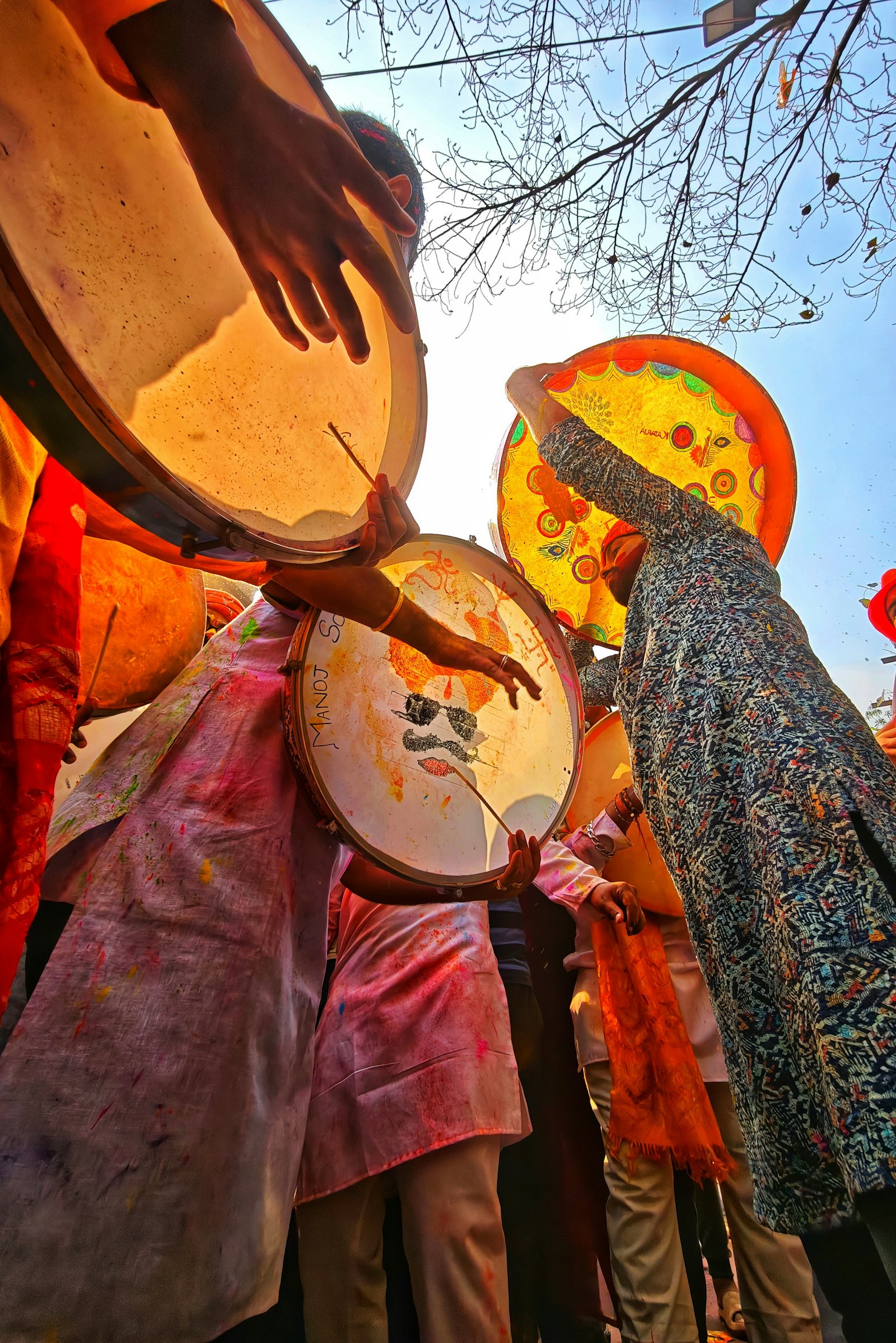
Brazil is a country where the heartbeat of the nation is literally a drum. From the thunderous roar of the Samba schools to the spiritual resonance of Candomblé ceremonies, rhythm is the primary language of Brazilian culture. For the traveling percussionist or the local enthusiast, finding a drum circle in Brazil is more than just a musical activity—it is a deep dive into a collective soul.
While many people associate Brazilian drumming exclusively with massive parades, the community drum circle movement is thriving in the plazas, beaches, and community centers of this vast nation. Whether you are holding a djembe, a pandeiro, or a simple shaker, there is a place for you in the circle.
The Roots of Collective Rhythm in Brazil
The concept of the drum circle in Brazil is deeply intertwined with its African heritage. Unlike the structured rehearsals of a carnival band, community circles often lean into the 'roda' (wheel) format. In a roda, everyone is equal, and the music is a conversation.
In cities like Salvador da Bahia, the rhythms of the atabaque (a tall, tapered drum) set the foundation for community gatherings. Here, drumming is not just performance; it is a form of social resistance, celebration, and spiritual connection. When you join a drum circle in Brazil, you are stepping into a lineage that spans centuries and continents.
Popular Instruments in Brazilian Circles
If you are attending a drum circle in Brazil, you might see instruments that differ from the standard Western drum circle setup. While the djembe and congas are common, keep an eye out for these local staples:
- Pandeiro: Often called the unofficial instrument of Brazil, this frame drum is incredibly versatile.
- Surdo: The large bass drum that provides the heartbeat of the rhythm.
- Repinique: A high-pitched drum used for signaling transitions and calls.
- Agogô: Double bells that cut through the low frequencies of the drums.
- Cuíca: The unique 'friction drum' that sounds like a laughing animal.
If you are looking to master these specific tools before your trip, connecting with drum teachers who specialize in Brazilian percussion is a great way to prepare.
Where to Find a Drum Circle in Brazil
Rio de Janeiro: Beachside Beats
In Rio, the beach is the public square. As the sun sets over Ipanema or Arpoador, it is common to find informal drum circles forming. These are often family-friendly and open to all skill levels. The vibe is relaxed, frequently mixing traditional samba rhythms with modern funk and global beats.
Salvador, Bahia: The Rhythmic Soul
Salvador is arguably the percussion capital of the world. In the historic Pelourinho district, the sound of drumming is constant. While many groups are professional 'blocos,' there are frequent open workshops and community jams. This is a prime location to look for drumming retreats that offer immersive experiences in Afro-Brazilian culture.
São Paulo: Urban Grooves
In the concrete jungle of São Paulo, drum circles often take place in public parks like Ibirapuera. These gatherings are melting pots of style, where you might find a djembe player jamming alongside a traditional Brazilian percussionist and a beatboxer.
Etiquette for Joining a Brazilian Roda
Joining a drum circle in Brazil requires a blend of confidence and humility. Here are a few tips to ensure you respect the local flow:
- Listen First: Before you start playing, spend a few minutes absorbing the 'clave' or the underlying pulse of the group.
- Respect the Leader: Many Brazilian circles have a 'mestre' or facilitator who uses whistles or hand signals to change the rhythm. Follow their lead.
- Share the Space: If you are playing a loud instrument like a surdo, be mindful of the volume so the smaller shakers and voices can be heard.
- Embrace the Dance: In Brazil, drumming and dancing are inseparable. Don't be surprised if your drumming invites others to move.
The Health and Social Benefits of Drumming in Brazil
Beyond the music, the drum circle in Brazil serves as a vital community health tool. Many NGOs use drumming to engage youth in favelas, providing a creative outlet and a sense of belonging. The physiological benefits—reduced stress, increased dopamine, and social bonding—are palpable in every session. Being part of a circle helps break down social barriers, uniting people of different backgrounds through a shared pulse.
Planning Your Rhythmic Journey
If you are planning a trip specifically to drum, consider looking for established drum schools in Brazil that offer short-term intensives. These schools often host their own community circles where students can practice what they've learned in a live, supportive environment. Additionally, checking local events listings can help you time your visit with major percussion festivals or community holidays.
Whether you are a seasoned pro or a complete beginner, the rhythmic landscape of Brazil is welcoming. There is a profound magic in the moment the individual drums merge into a single, rolling groove under the South American sun.
Find a drum circle near you and start your rhythmic journey today.
Frequently asked
- Do I need to bring my own drum to a circle in Brazil?
- While many informal beach circles are 'bring your own instrument,' many organized community events and workshops provide percussion for participants. If you are traveling, a small instrument like a pandeiro or shaker is easy to carry and always welcome.
- Are Brazilian drum circles beginner-friendly?
- Yes, most community 'rodas' are very inclusive. Brazilians generally value participation over perfection, and as long as you can keep a basic steady beat, you will be encouraged to join in the fun.
- What is the best time of year to visit Brazil for drumming?
- While drumming happens year-round, the months leading up to Carnival (January and February) see a massive increase in rhythmic activity. However, for a more intimate drum circle experience, the shoulder seasons of Spring and Autumn offer plenty of local gatherings without the massive crowds.
Find a drum circle near you
Browse hundreds of circles, teachers and rhythm community gatherings.
Explore drum circles