
Drum Circle Cape Town: A Guide to the Mother City's Rhythms
Experience the pulse of South Africa through the vibrant drum circle scene in Cape Town, from sunset beach jams to rhythmic community gatherings.
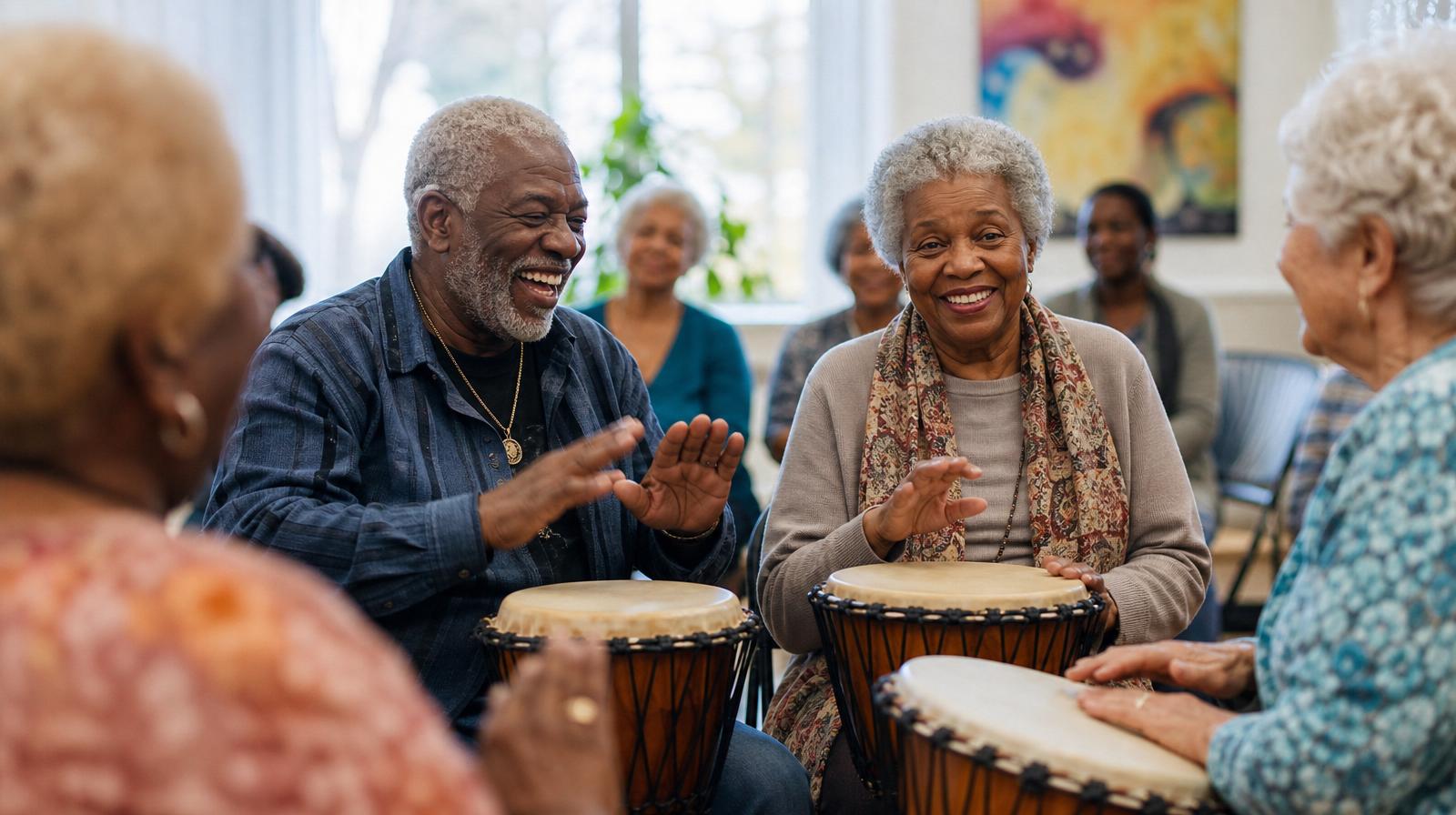
Cape Town is a city defined by its geography—the towering Table Mountain, the meeting of two oceans, and the wind-swept beaches. But for those who listen closely, the true heartbeat of the Mother City isn't found in the wind or the waves; it is found in the resonant crack of a djembe and the deep thrum of the dunun.
A drum circle in Cape Town is more than just a musical event; it is a cultural crossroads where locals and travelers unite under a shared pulse. Whether you are a seasoned percussionist or someone who has never touched a drum skin, the rhythmic scene here offers a seat for everyone.
The Spirit of the Djembe in South Africa
While the djembe originates from West Africa, it has found a profound second home in South Africa. In Cape Town, the djembe is the undisputed king of the circle. Its versatility allows for the high-pitched 'slaps' that cut through the air and the deep 'bass' notes that resonate in the chest.
When you attend a drum circle in Cape Town, you aren't just playing an instrument; you are participating in a tradition of communication. Many local facilitators emphasize the 'call-and-response' technique, a traditional African musical form where a lead drummer plays a phrase and the circle responds. This creates a conversational atmosphere that makes even the largest gatherings feel intimate.
Iconic Locations: From Muizenberg to Clifton
One of the most magical aspects of the Cape Town drumming scene is the setting. The city’s natural beauty provides a world-class backdrop for rhythm.
- Muizenberg Beach: Known for its colorful beach huts and surf culture, Muizenberg often hosts informal full-moon drum circles. As the tide goes out and the moon rises over False Bay, the sound of dozens of drums creates an ethereal experience.
- Clifton Second Beach: During the summer months, sunset sessions are common here. These are often family-friendly circles where children and adults dance on the sand to the flicker of fire dancers and the steady beat of congas and djembes.
- The Company’s Garden: In the heart of the city, this historic park occasionally becomes a hub for community drumming, offering a shaded, green escape from the urban bustle.
If you are looking for a more structured environment, you can browse our local events to find scheduled gatherings and festivals.
What to Expect: Beginner Etiquette
If it’s your first time joining a drum circle in Cape Town, don’t be intimidated. The community is notoriously welcoming. However, a few 'unspoken rules' will help you flow with the group:
- Listen First: Before you start playing, listen to the established rhythm for a minute. Try to find the 'heartbeat' (the bass note) before adding your own flair.
- Support the Groove: You don't need to play fast or loud to be a good contributor. Often, the most valued players are those who hold down a steady, simple beat that others can lean on.
- Ask Before Borrowing: If there is a communal pile of instruments, it’s usually fine to grab one, but if a drum looks personal, always ask the owner first.
- Respect the Facilitator: Some circles are 'free-form,' while others have a leader. If a facilitator signals for a volume drop or a stop, follow their lead immediately.
Learning the Craft: Teachers and Schools
For those who want to move beyond basic tapping and learn the intricate language of African percussion, Cape Town is home to incredible talent. Many master drummers from across the continent have settled here, offering lessons in djembe, ashiko, and the melodic marimba.
Taking a few sessions with professional drum teachers can transform your experience. You’ll learn proper hand positioning to avoid bruising and how to produce the three distinct sounds of the drum: the bass, the tone, and the slap. For a deeper dive, there are dedicated drum schools in suburbs like Observatory and Hout Bay that offer weekly classes and intensive workshops.
Beyond the Djembe: Diverse Instruments
While the djembe is the star, a Cape Town drum circle is a tapestry of global sounds. You will frequently see:
- Dunun (Doundoun): The large, cylindrical bass drums played with sticks that provide the rhythmic foundation.
- Doumbek: Often brought by the city’s Middle Eastern and North African diaspora, adding a sharp, metallic texture.
- Frame Drums: Used for more meditative, shamanic-style drumming sessions often held in the lush forests of Constantia.
- Percussion Toys: Shakers, shekeres, and bells are vital for filling in the 'spaces' between the drum beats.
Healing and Community Connection
In a city with a complex history like Cape Town, drumming serves as a powerful tool for social cohesion. Rhythmic gatherings break down barriers of language, age, and background. Many organizations in the Western Cape use drumming for 'Ubuntu'—the South African philosophy of 'I am because we are.'
There are also specialized wellness circles that focus on drum therapy. These sessions use steady, repetitive tempos to induce a meditative state, helping participants reduce stress and connect with their inner selves. If you are visiting South Africa for a wellness journey, consider looking into drumming retreats that combine rhythm with yoga and nature excursions.
Finding Your Rhythm in the Mother City
Whether you are looking for a high-energy fire-dancing jam or a soulful sunset session, the drum circle Cape Town scene has something for everyone. The best way to get involved is to simply show up. Bring a drum if you have one, but more importantly, bring an open heart and a willingness to listen.
The rhythm of Cape Town is waiting for you. From the shores of the Atlantic to the shadows of the mountains, the beat goes on.
Find a drum circle near you by visiting our global directory at /drum-circles.
Frequently asked
- Do I need to own a drum to join a circle in Cape Town?
- Not necessarily. Many organized circles in Cape Town provide drums for rent or have a 'community pot' of instruments. However, for informal beach jams, it is best to bring your own djembe or shaker.
- Where are the most popular drum circles held in Cape Town?
- The most iconic spots include Muizenberg Beach for full-moon jams and Clifton Second Beach for summer sunset sessions. There are also frequent indoor circles in the Observatory and Hout Bay areas.
- Are Cape Town drum circles family-friendly?
- Yes, the majority of community drum circles in Cape Town are very family-oriented. Children are often encouraged to participate with small shakers or drums, as long as they are supervised.
- Is there a cost to attend a drum circle?
- Public beach jams are usually free, though donations for organizers are sometimes welcomed. Facilitated workshops or indoor events typically charge a small fee (usually between 50 and 150 ZAR) to cover venue costs and instrument maintenance.
Find a drum circle near you
Browse hundreds of circles, teachers and rhythm community gatherings.
Explore drum circles