Is a Drum Circle Certification Right for You? A Complete
Discover how a drum circle certification can deepen your practice, enhance your facilitation skills, and help you lead transformative rhythm experiences for your community.
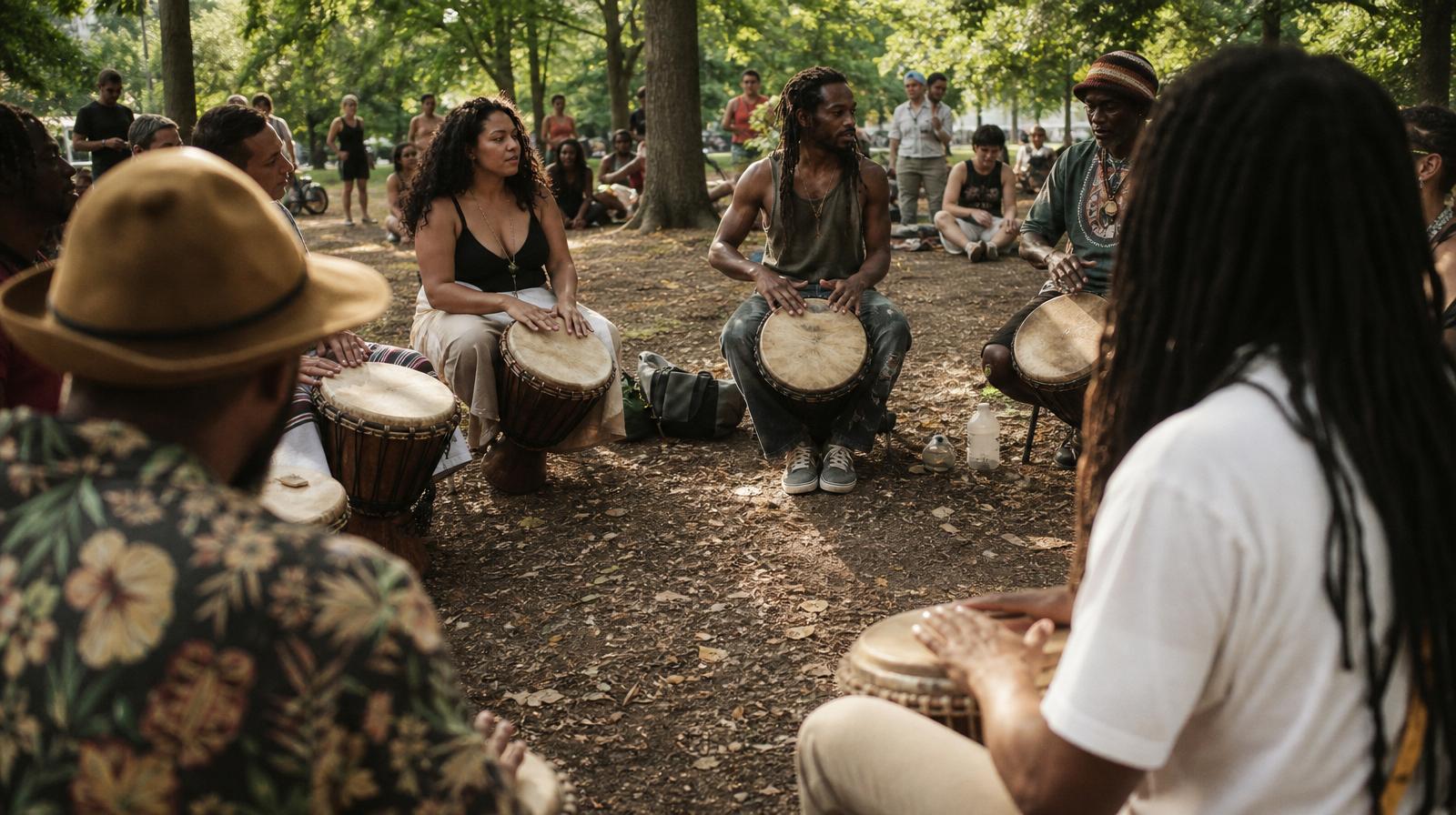
There is a unique magic that happens when a group of people, many of whom may have never held an instrument before, sit in a circle and find a collective pulse. As the djembe bass notes ground the room and the high-pitched snap of a doumbek cuts through the air, individual voices merge into a single, powerful rhythmic entity.
But behind every transformative rhythm gathering is a facilitator—someone who holds the space, manages the energy, and guides the group from chaos to cohesion. If you have felt the calling to lead these experiences, you might be wondering: do I need a drum circle certification?
In this guide, we will explore the landscape of rhythm leadership training, the benefits of getting certified, and how to choose a program that aligns with your goals as a rhythm ambassador.
What is Drum Circle Facilitation?
Facilitation is different from teaching. While a drum teacher might focus on the technical mastery of the conga or the intricate polyrhythms of the dunun, a facilitator focuses on the people.
Drum circle facilitation is the art of making rhythm accessible to everyone, regardless of their musical background. It involves using body language, verbal cues, and specific techniques to help a group play together. A certified facilitator understands how to bridge the gap between a room full of individuals and a synchronized community.
Why Pursue a Drum Circle Certification?
While many natural leaders start by simply hosting informal jams in parks or at full-moon gatherings, professional training offers a toolkit that experience alone can take years to build. Here are a few reasons to consider a formal program:
- Confidence and Authority: Knowing the "why" behind the "what" allows you to lead with a calm presence, even when the rhythm gets shaky.
- Versatility: Certification programs teach you how to adapt your style for different populations, from corporate team-building events to memory care facilities and schools.
- Safety and Ethics: Leading a group involves managing group dynamics. Training covers how to create a safe, inclusive environment where everyone feels heard.
- Professional Credibility: If you plan to pitch your services to hospitals, schools, or corporate HR departments, having a recognized certification can be a significant door-opener.
Core Skills Taught in Certification Programs
Most reputable drum circle certification programs focus on a blend of musicality and psychology. You aren't just learning to play; you are learning to observe.
1. The Facilitator's Toolbox
You will learn specific signals for "start," "stop," "louder," and "softer." These non-verbal cues are essential for guiding a circle without breaking the musical flow.
2. Instrument Knowledge
A good facilitator needs to understand the mechanics of various instruments. You'll learn how to tune a djembe, the difference between a synthetic and goat-skin head, and how to distribute small percussion like shakers and bells to balance the room's sound.
3. Group Dynamics and Psychology
How do you handle a participant who is playing too loudly and throwing off the group? How do you encourage a shy beginner? Certification programs dive deep into the social aspects of drumming, ensuring the circle remains a supportive space.
Top Drum Circle Training Methods
There are several world-renowned methodologies you might encounter when looking for a drum circle certification.
- Village Music Circles (VMC): Founded by Arthur Hull, the "father" of the modern drum circle movement, VMC focuses on community-building and the "triangles of facilitation."
- HealthRHYTHMS: Developed by Remo, this is a research-based program specifically designed for healthcare settings, focusing on the wellness benefits of group drumming.
- Beat the Odds: This program integrates activities from contemporary drum circles with evidence-based social-emotional learning (SEL) interventions.
If you are looking for more personalized instruction, you can often find drum teachers who offer mentorship in facilitation alongside technical lessons.
Choosing the Right Program for Your Goals
Before enrolling, ask yourself what your ultimate goal is. Are you looking to lead spiritual retreats, or are you aiming for the corporate sector?
- For Wellness Professionals: Look for programs that emphasize music therapy principles and the physiological effects of drumming.
- For Educators: Focus on programs that offer curriculum-based rhythm games and techniques for classroom management.
- For Community Builders: Look for intensive drumming retreats where you can immerse yourself in the culture of rhythm for several days.
The Path from Student to Leader
Getting your drum circle certification is just the beginning. The real learning happens in the circle itself. Many new facilitators start by volunteering at local community centers or joining existing events to shadow experienced leaders.
As you grow, you might consider enrolling in specialized drum schools to deepen your understanding of specific traditions, such as West African Manding drumming or Afro-Cuban rhythms. The more you know about the roots of the music, the more respect and depth you bring to your facilitation.
Conclusion: Finding Your Rhythm
A drum circle certification is more than just a piece of paper; it is a commitment to the craft of connection. Whether you are holding a frame drum in a quiet meditation circle or leading a hundred people with loud, boisterous dununs, your training provides the foundation upon which the community can build its song.
Ready to start your journey?
Find a drum circle near you to observe a facilitator in action and feel the power of the pulse firsthand.
Frequently asked
- Do I need to be a professional musician to get a drum circle certification?
- No, you do not need to be a professional musician. While a basic sense of rhythm is helpful, most certification programs focus on leadership, group dynamics, and communication skills rather than advanced musical theory.
- How long does it take to get certified?
- Certification lengths vary. Some introductory workshops last a weekend (15-20 hours), while comprehensive professional certifications can take several months of study, practice, and supervised facilitation.
- Can I facilitate drum circles without a certification?
- Yes, many people facilitate community circles successfully without one. However, a certification is highly recommended if you plan to work in professional environments like hospitals, schools, or corporate offices where liability and proven methodology are important.
Find a drum circle near you
Browse hundreds of circles, teachers and rhythm community gatherings.
Explore drum circles