
Drum Circle Chants: Elevate Your Rhythm with Voice and
Discover how to blend vocalization with hand drumming using these powerful drum circle chants and rhythmic mantras.
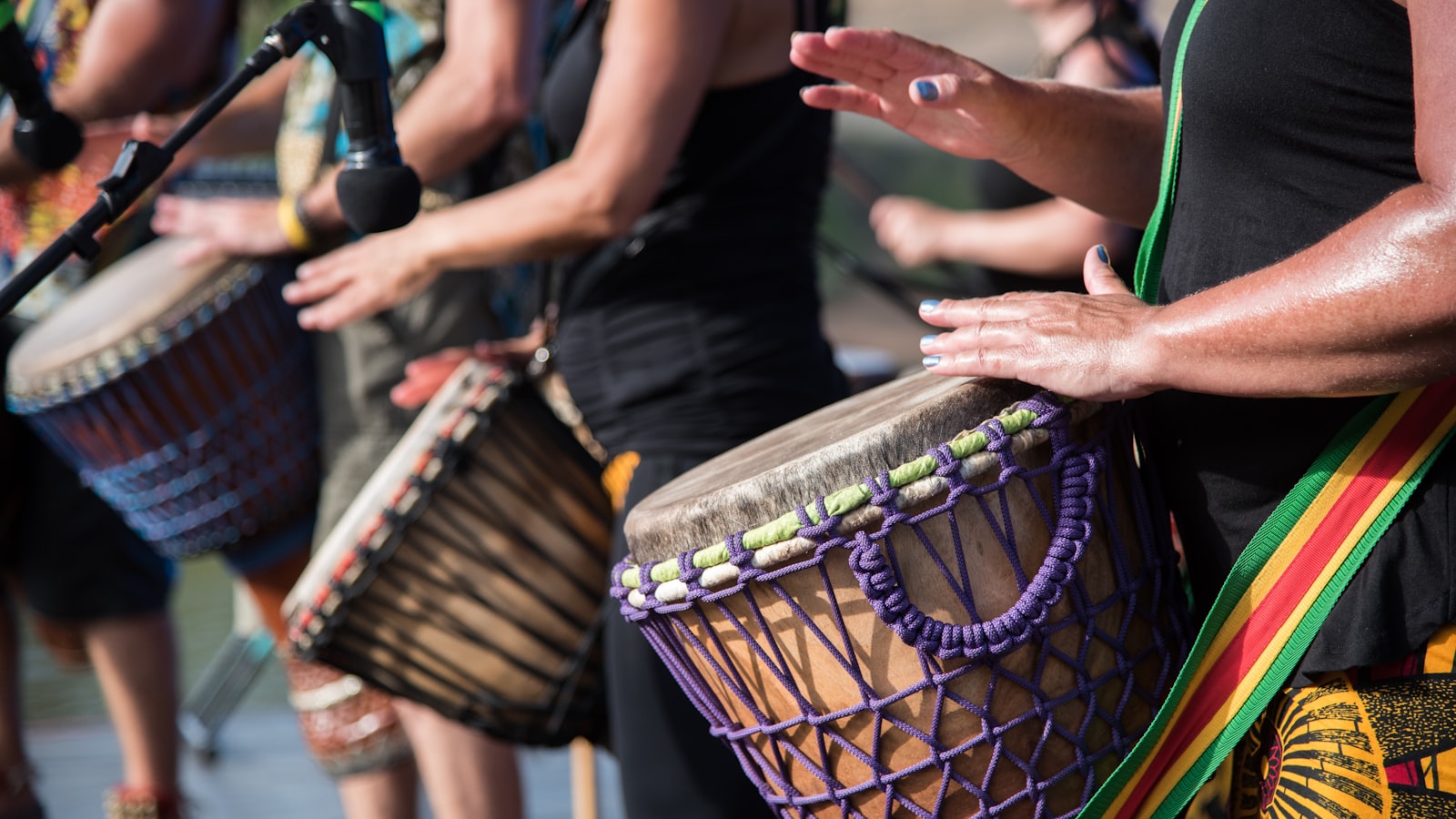
There is a profound moment in a drum circle when the pulse of the djembe, the sharp crack of the doumbek, and the deep resonance of the dununs align. But the transformation truly begins when the human voice enters the mix. Drum circle chants are more than just lyrics; they are rhythmic anchors that ground the energy of the group and turn a simple jam session into a shared spiritual or communal experience.
Whether you are a seasoned facilitator or a first-timer holding a frame drum, understanding how to weave vocalizations into the rhythm is a game-changer. Chanting provides a melodic layer that complements the percussion, helping participants stay in time while expressing their inner joy.
The Power of the Voice in the Circle
In many indigenous cultures, the drum and the voice are inseparable. The voice serves as the 'melody instrument' that gives context to the rhythm. In a modern community drum circle, chants serve several vital functions:
- Rhythmic Anchoring: A simple phrase helps beginners internalize complex time signatures.
- Community Building: Singing together breaks down social barriers and fosters a sense of unity.
- Breath Regulation: Chanting forces drummers to breathe deeply, which prevents muscle tension and fatigue.
- Spiritual Connection: Many chants are rooted in ancient traditions, connecting the modern circle to a lineage of rhythm-makers.
Traditional African and Afro-Cuban Chants
Many of the most popular drum circle chants originate from West Africa and the Caribbean. These often follow a call-and-response format, which is perfect for finding a local drum circle and jumping right in.
Fanga Alafia
This is perhaps the most famous welcoming chant in the drumming world. Originating from Liberia and popularized in the US by Baba Olatunji, it is a song of peace and greeting.
- The Chant: "Fanga Alafia, Ashé, Ashé."
- The Meaning: "I welcome you with peace/blessings."
- The Rhythm: Usually played to a 4/4 high-life or kuku beat.
The Kuku Chant
Kuku is a traditional rhythm from the Manian people of Guinea, often played at celebrations after a harvest. The vocal parts are energetic and syncopated, mimicking the conversation between the djembe and the dununs.
Modern Rhythmic Mantras and Affirmations
You don't always need traditional lyrics to chant. Many facilitators use English-language affirmations that match the 'hits' on the drum. These are particularly effective at family-friendly events where children are participating.
- The Grounding Chant: "I am grounded, I am here, rhythm takes away my fear."
- The Energy Chant: "Feel the rhythm, feel the beat, move your body, move your feet."
- The Gratitude Chant: "Thank you for the rhythm, thank you for the song."
Using these simple phrases allows the group to focus on the intention of the gathering, whether it is for healing, celebration, or simple stress relief.
How to Facilitate Chants Successfully
If you are leading a circle, introducing a chant requires a bit of finesse. You don't want to interrupt the flow, but you want everyone to feel confident joining in. If you are looking to improve these skills, connecting with professional drum teachers can help you master the art of dual-tasking (playing and leading vocals).
- Establish the Groove First: Never start a chant until the rhythm is stable. The drums are the foundation.
- Use Call-and-Response: Sing a short phrase and gesture to the group to repeat it back. Do this 3-4 times until the volume builds.
- Keep it Simple: Use repetitive syllables like "Hey," "Yah," or "Ho" if the group seems hesitant with complex lyrics.
- Watch the Volume: Remind drummers to "play under the voice." If the drums are too loud, the chant will be lost. This is a key part of drum circle etiquette.
Using Vocables and Scatting
Sometimes, words get in the way. Vocables—non-lexical vocables like "boom-ba-da-boom"—are excellent for teaching rhythms. This is often called "vocal percussion." By singing the sounds of the drum (the 'slap', 'tone', and 'bass'), you help participants understand the melody of the drum itself.
For example, a common djembe pattern can be vocalized as:
- "Gun, Go-do, Pa-ta, Go-do"
- (Bass, Tone-Tone, Slap-Slap, Tone-Tone)
This technique is widely taught in specialized drum schools to bridge the gap between hearing a rhythm and playing it accurately.
Chants for Full Moon and Healing Circles
Full moon drum circles often lean into more meditative and spiritual chants. These are usually slower, focusing on vowel sounds that resonate in the chest. Long, drawn-out "Oms" or "Awe" sounds over a steady heartbeat rhythm on a large buffalo drum or frame drum can create a trance-like state conducive to meditation.
In these settings, the chant isn't about performance; it's about vibration. The goal is to feel the sound moving through your body as much as you hear it with your ears. Many people seek out drumming retreats specifically to experience this deep, resonant connection between voice and skin.
Conclusion: Finding Your Voice
Adding your voice to the circle is an act of courage and contribution. It transforms the drum from a tool of percussion into a tool of communication. The next time you find yourself in the middle of a rhythmic pulse, try humming a low note or echoing a call-and-response. You’ll find that the rhythm becomes easier to hold and the connection to your fellow drummers becomes much stronger.
Find a drum circle near you and start your rhythmic journey today at /drum-circles.
Frequently asked
- Do I need to be a good singer to participate in drum circle chants?
- Not at all. Drum circle chants are about communal energy and rhythm, not vocal perfection. Most chants are repetitive and simple, designed so that anyone can join in regardless of their musical background.
- What are the most common languages used in drum circle chants?
- You will frequently hear Yoruba, Malinke, and Spanish, reflecting the West African and Afro-Cuban roots of many hand drumming traditions. However, many modern circles also use English affirmations or non-word vocables like 'He-ya' or 'Om'.
- How do I introduce a chant without ruining the rhythm?
- The best way is to wait for a steady groove to be established, then use a clear call-and-response pattern. Start by singing the phrase loudly while maintaining your drum beat, and use eye contact or a nod to invite others to echo you.
Find a drum circle near you
Browse hundreds of circles, teachers and rhythm community gatherings.
Explore drum circles