Drum Circle Dancing: The Ultimate Guide to Rhythm and Movement
Discover the transformative power of drum circle dancing, where primal rhythms meet spontaneous movement in a celebration of community and spirit.
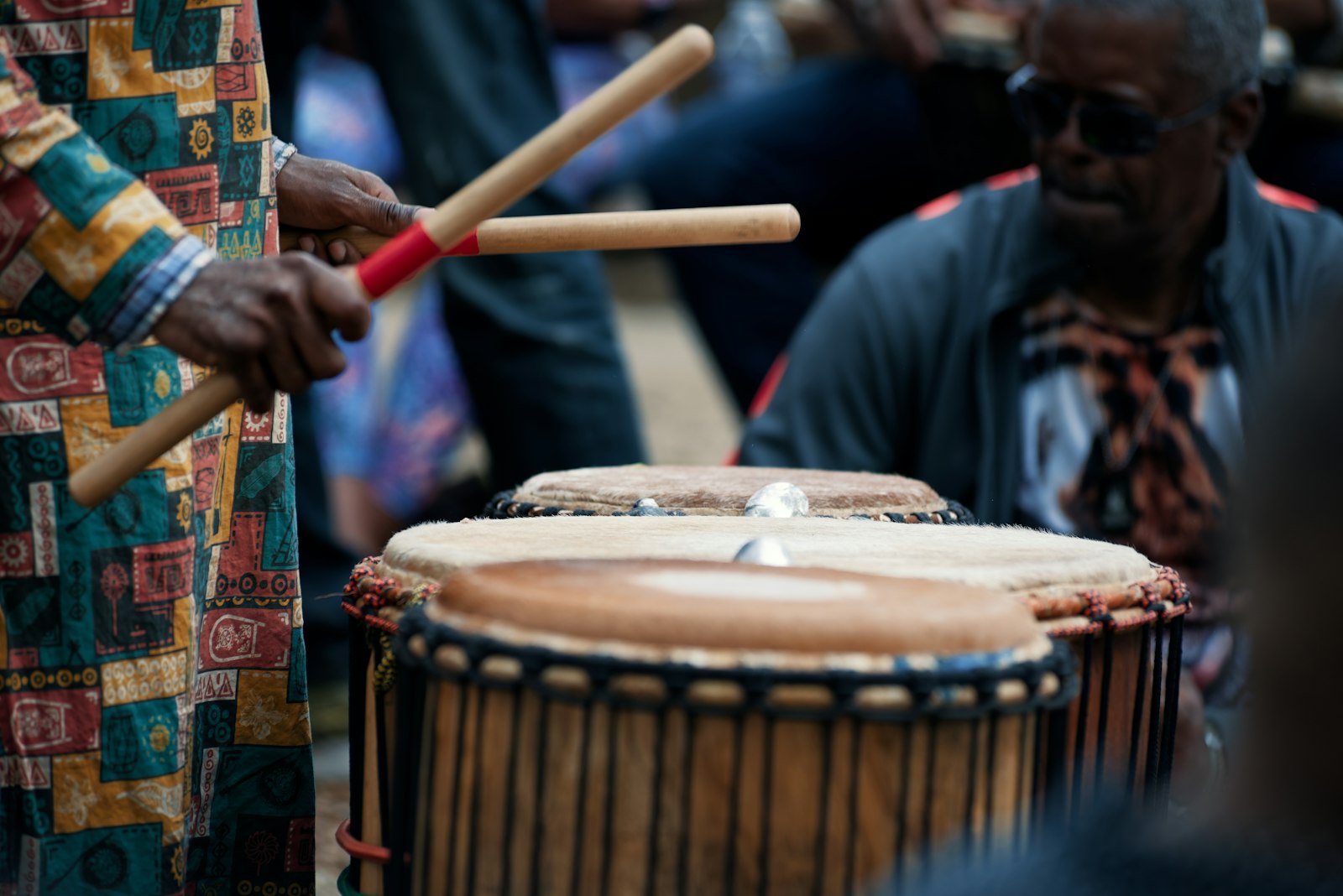
There is a profound, ancient magic that occurs when the strike of a hand on a drum skin meets the movement of a human body. In a drum circle, the music isn't just something you listen to; it is an environment you inhabit. Drum circle dancing is the physical manifestation of the pulse created by the ensemble, turning sound waves into a shared, kinetic experience.
Whether you are a seasoned percussionist or someone who has never touched a djembe, understanding the relationship between the beat and the body is key to fully experiencing these gatherings. In this guide, we explore the history, etiquette, and joy of dancing within the circle.
The Deep Connection Between Percussion and Dance
For millennia, the drum and the dance have been inseparable. In West African traditions, the rhythms played on the djembe and dununs are inextricably linked to specific dance steps. One does not exist without the other. The drummer watches the dancer’s feet to provide the 'accent,' while the dancer listens to the lead drummer for cues to change movements.
In a modern community drum circle, this relationship is often more improvisational. As the bass notes of the congas provide a steady foundation and the doumbek adds intricate textures, dancers find their own unique way to express the energy of the room. This synergy creates a feedback loop: the dancers’ energy inspires the drummers to play with more passion, which in turn drives the dancers to new heights.
The Anatomy of a Drum Circle Dance Floor
Most drum circles are organized in a way that naturally creates a space for movement. Usually, the drummers form an outer ring, leaving a central space known as the 'heart' of the circle.
- The Center: This is the primary dance space. It is a sacred, high-energy zone where individuals can express themselves freely.
- The Inner Ring: Often populated by flow artists using LED hoops or poi, adding a visual rhythm to the auditory one.
- The Outer Edge: For those who prefer a more subtle sway or 'stepping' while they play a handheld shaker or cowbell.
If you are looking for a place to start your journey, you can find a drum circle in your area that welcomes both movers and players.
Essential Etiquette for Drum Circle Dancers
While drum circles are symbols of freedom, a few 'unwritten rules' ensure everyone has a positive experience. Respecting the space of the musicians and other dancers is paramount.
- Respect the Instruments: Never dance so close to a drummer that you risk hitting their hands or their instrument. High-quality drums are expensive and fragile.
- Mind the Volume: If you are wearing tap shoes or heavy boots, be mindful that your footfalls don't drown out the subtle rhythms of the frame drums.
- Eye Contact and Cues: In many circles, a lead facilitator may use a 'break' (a specific rhythmic signal) to end a song. Dancers should stay attuned to these shifts to transition gracefully.
- Share the Center: If the circle is crowded, take turns in the middle. Give others the opportunity to lead the energy.
Finding Your Rhythm: Tips for Beginners
If you feel 'rhythmically challenged,' don't worry. Drum circle dancing is not about technical perfection; it’s about connection. Start by finding the 'pulse'—the steady heartbeat of the music usually provided by the larger bass drums.
Try a simple two-step: step right on beat one, touch left on beat two, step left on beat three, touch right on beat four. Once your feet are grounded in the pulse, let your upper body relax. Let your arms flow naturally. You might even find that attending drumming retreats can help you deepen this mind-body connection in a focused, supportive environment.
The Health Benefits of Rhythmic Movement
Combining drumming with dance offers a double dose of wellness. The act of dancing to a live beat releases endorphins and reduces cortisol, the body’s stress hormone. It is a form of 'active meditation' that pulls you out of your head and into the present moment.
- Cardiovascular Health: A high-energy circle can be a significant workout.
- Social Connection: Dancing breaks down social barriers, fostering a sense of belonging.
- Emotional Release: Many participants find that the combination of loud percussion and free movement allows for the processing of suppressed emotions.
Integrating Flow Arts and Props
In recent years, drum circle dancing has evolved to include 'flow arts.' This includes hula hooping, staff spinning, and fan dancing. These props act as extensions of the body, tracing the rhythm in the air. When a hoopist spins in time with a rapid djembe solo, it creates a mesmerizing spectacle that enhances the experience for everyone involved.
If you are interested in learning how to facilitate these types of multi-sensory experiences, consider looking into specialized drum schools that focus on community building and performance art.
Conclusion: Join the Dance
The drum circle is a living organism, and the dancers are its heartbeat. Whether you are shaking a maraca, striking a conga, or spinning in the center of the ring, you are an essential part of the rhythm. There is no right or wrong way to move, as long as you move with respect and an open heart.
Ready to find your beat? Find a drum circle near you and join the dance today.
Frequently asked
- Do I need to be a professional dancer to join a drum circle?
- Absolutely not. Drum circles are inclusive spaces where movement is seen as a form of personal expression rather than a performance. Most participants use simple, repetitive steps or spontaneous movements that feel good to their bodies.
- What should I wear to a drum circle dance?
- Comfort is key. Wear breathable clothing that allows for a full range of motion. Many dancers prefer to go barefoot to feel the vibrations of the drums through the floor, but lightweight sneakers or dance slippers are also great options.
- Is drum circle dancing the same as ecstatic dance?
- They are closely related. While ecstatic dance often uses recorded music or a DJ, drum circle dancing relies on live, acoustic percussion. Both emphasize free-form movement and the therapeutic benefits of losing oneself in the rhythm.
- How can I learn specific traditional African dance steps?
- To learn traditional movements associated with specific rhythms like Kuku or Fanga, it is best to seek out professional [drum teachers](/drum-teachers) or dance instructors who specialize in West African diaspora traditions.
Find a drum circle near you
Browse hundreds of circles, teachers and rhythm community gatherings.
Explore drum circles