
Find Your Rhythm: The Ultimate Drum Circle Directory Guide
Discover the magic of group drumming and learn how to find local gatherings with the world's most comprehensive drum circle directory.
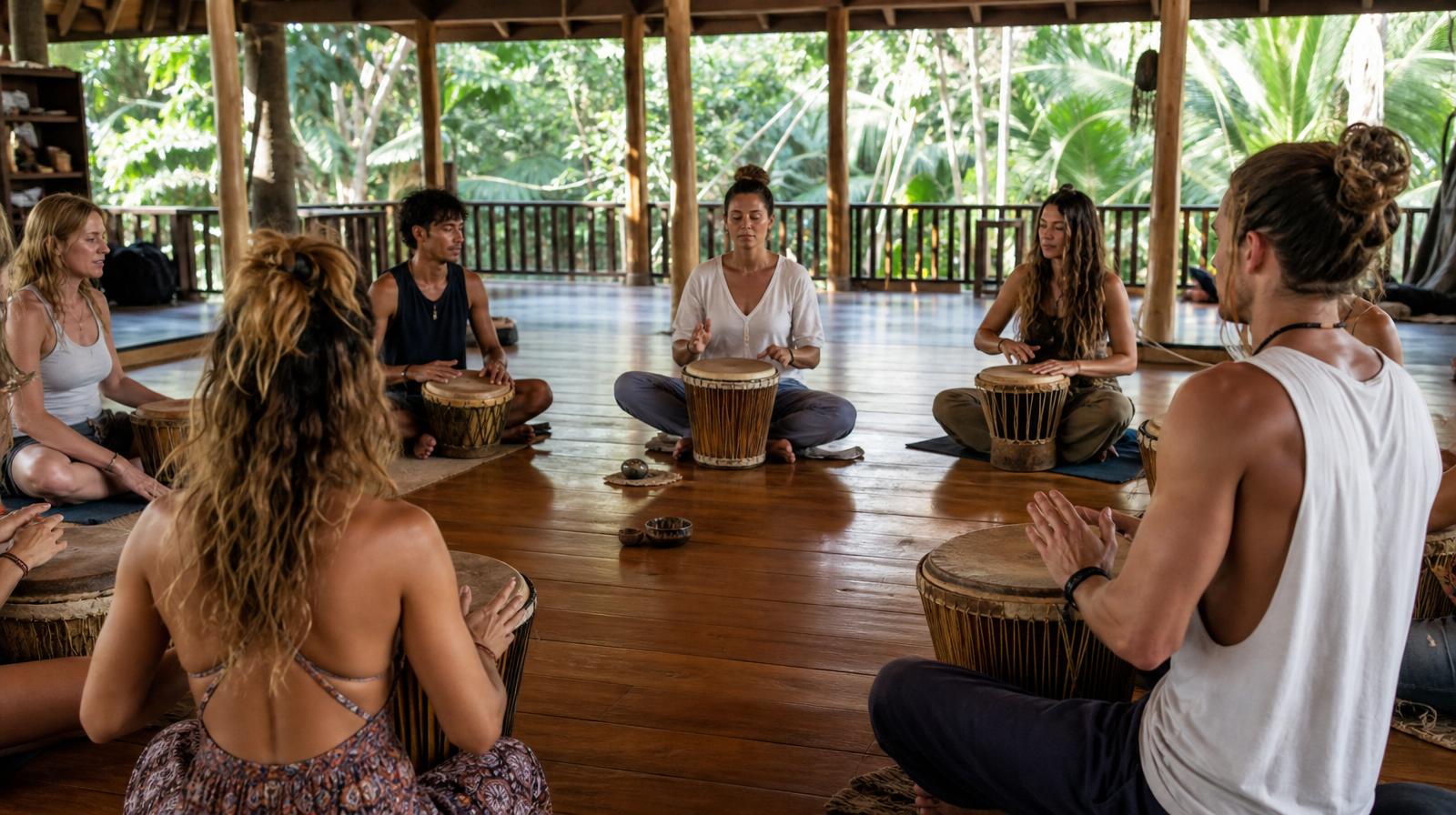
There is a primal pull in the sound of a drum. It is the first sound we hear in the womb—the steady, rhythmic beating of a heart. When we gather in a circle to play together, we aren't just making music; we are reconnecting with a fundamental human experience. Whether you are a seasoned percussionist or someone who has never touched a djembe, the world of community drumming is open to you.
Navigating this world starts with knowing where to look. A reliable drum circle directory serves as your map, guiding you to parks, community centers, and beaches where the spirit of rhythm is alive and well.
What is a Drum Circle?
A drum circle is a group of people playing hand-drums and percussion in a circle formation. Unlike a traditional concert, there is no stage and no audience; everyone is a participant. The goal is not perfection, but connection.
You will encounter various styles of circles. Some are "free-form," where the rhythm evolves organically based on the energy of the group. Others are "facilitated," led by a professional who uses signals to guide the dynamics, tempo, and events to ensure a cohesive sound.
The Instruments of the Circle
While you can bring almost any percussive instrument to a circle, certain drums are staples of the community:
- Djembe: The West African powerhouse. Known for its goblet shape, it offers deep bass notes and sharp slaps.
- Congas and Bongos: Afro-Cuban classics that provide melodic, driving rhythms.
- Dunun: The heartbeat of West African ensembles, played with sticks and often accompanied by a bell.
- Doumbek: A goblet drum from the Middle East, famous for its crisp, metallic "teks" and deep "doums."
- Frame Drums: One of the oldest drum types, held in the hand or on the lap, often used in spiritual or meditative circles.
If you don't own a drum yet, don't worry. Many facilitators listed in our drum circle directory provide extra instruments for newcomers to borrow.
Why Use a Drum Circle Directory?
In the past, finding a drum circle meant spotting a flyer on a coffee shop bulletin board or hearing distant thumping in a public park. Today, the community is more organized but also more widespread.
Using a dedicated directory allows you to:
- Filter by Skill Level: Find family-friendly circles or advanced technical jams.
- Discover Teachers: Many circles are hosted by experts. If you want to improve your technique, you can find drum teachers through these listings.
- Plan Your Travels: Rhythm doesn't stop when you leave home. You can find drumming retreats in exotic locations or local jams in cities you are visiting.
Understanding Drum Circle Etiquette
For a beginner, walking into a circle of fifty people drumming can be intimidating. Following a few simple rules of etiquette will help you blend in seamlessly:
- Listen First: Before you strike your drum, listen to the established rhythm for a minute. Find the pulse.
- Don't Overplay: You don't need to play every sixteenth note. Sometimes the most powerful thing you can do is hold down a simple, steady beat.
- Support the Groove: The "pulse" is the heartbeat. If you lose it, stop, listen, and jump back in when you feel the one.
- Ask Before Playing Someone Else's Drum: Drums are personal. Always ask for permission before trying out someone's vintage conga or custom djembe.
- Follow the Facilitator: If someone is facilitating, watch for their signals to fade out, stop, or change volume.
The Health and Wellness Benefits of Group Drumming
Beyond the fun, there is a growing body of research highlighting the health benefits of drumming. It is a form of active meditation that reduces stress, lowers blood pressure, and boosts the immune system.
In a drum circle, the "alpha" brain waves increase, leading to a state of relaxation and flow. It is also an incredible tool for social bonding. In an age of digital isolation, the physical presence of others—vibrating at the same frequency—is a powerful antidote to loneliness.
Finding Your Local Rhythm Community
The best way to start your journey is to simply show up. Whether it's a full-moon gathering on a beach or a structured class in a drum school, the community is waiting for you with open arms.
Every city has a rhythm. Some are hidden in basement studios, others are vibrant in public squares. By using a comprehensive directory, you ensure that you never miss a beat.
Find a drum circle near you at /drum-circles.
Frequently asked
- Do I need to own a drum to join a drum circle?
- Not necessarily. Many community circles and facilitated events provide 'loaner' drums or small percussion like shakers and bells. However, it is always best to check the specific listing in the directory to see if you should bring your own.
- What is the difference between a drum circle and a drum class?
- A drum class focuses on learning specific techniques, traditional rhythms, and cultural context from a teacher. A drum circle is more focused on the communal experience and spontaneous music-making, though some circles are facilitated to help beginners participate.
- Are drum circles kid-friendly?
- Most community drum circles are family-friendly and welcome children of all ages. Many parents find it is a great way to introduce kids to music and rhythm in a low-pressure environment. Look for 'family-friendly' tags in the directory listings.
Find a drum circle near you
Browse hundreds of circles, teachers and rhythm community gatherings.
Explore drum circles