Inclusive Rhythms: Guide to a Drum Circle for Disabilities
Discover how inclusive drum circles empower individuals with disabilities through rhythm, community connection, and accessible musical expression.
Rhythm is a universal language that precedes speech and transcends physical or cognitive barriers. For individuals living with disabilities, the drum circle offers a unique space where the focus shifts from limitation to contribution. In a well-facilitated drum circle for disabilities, every beat is a valid expression of self, and every participant is an essential part of the collective sound.
Whether you are a caregiver, a therapist, or someone looking to explore the world of percussion, understanding the nuances of inclusive drumming is the first step toward creating a truly accessible community. From the tactile vibrations of a djembe to the gentle shimmer of a rainstick, drumming provides a sensory-rich environment that promotes healing and social bonding.
The Healing Power of the Beat
Research has long supported the therapeutic benefits of group drumming. For those with physical, developmental, or sensory disabilities, the impact is multi-faceted. Drumming can improve motor skills, enhance cognitive function, and provide a much-needed emotional outlet.
- Physical Coordination: The act of striking a drum head requires hand-eye coordination and gross motor movements. For those in physical therapy, this becomes a joyful way to practice range of motion.
- Cognitive Engagement: Following a call-and-response pattern led by a facilitator keeps the mind sharp and improves focus.
- Emotional Regulation: The rhythmic consistency of a drum circle provides a grounding effect, which is particularly beneficial for individuals with autism or anxiety disorders.
Choosing Accessible Instruments
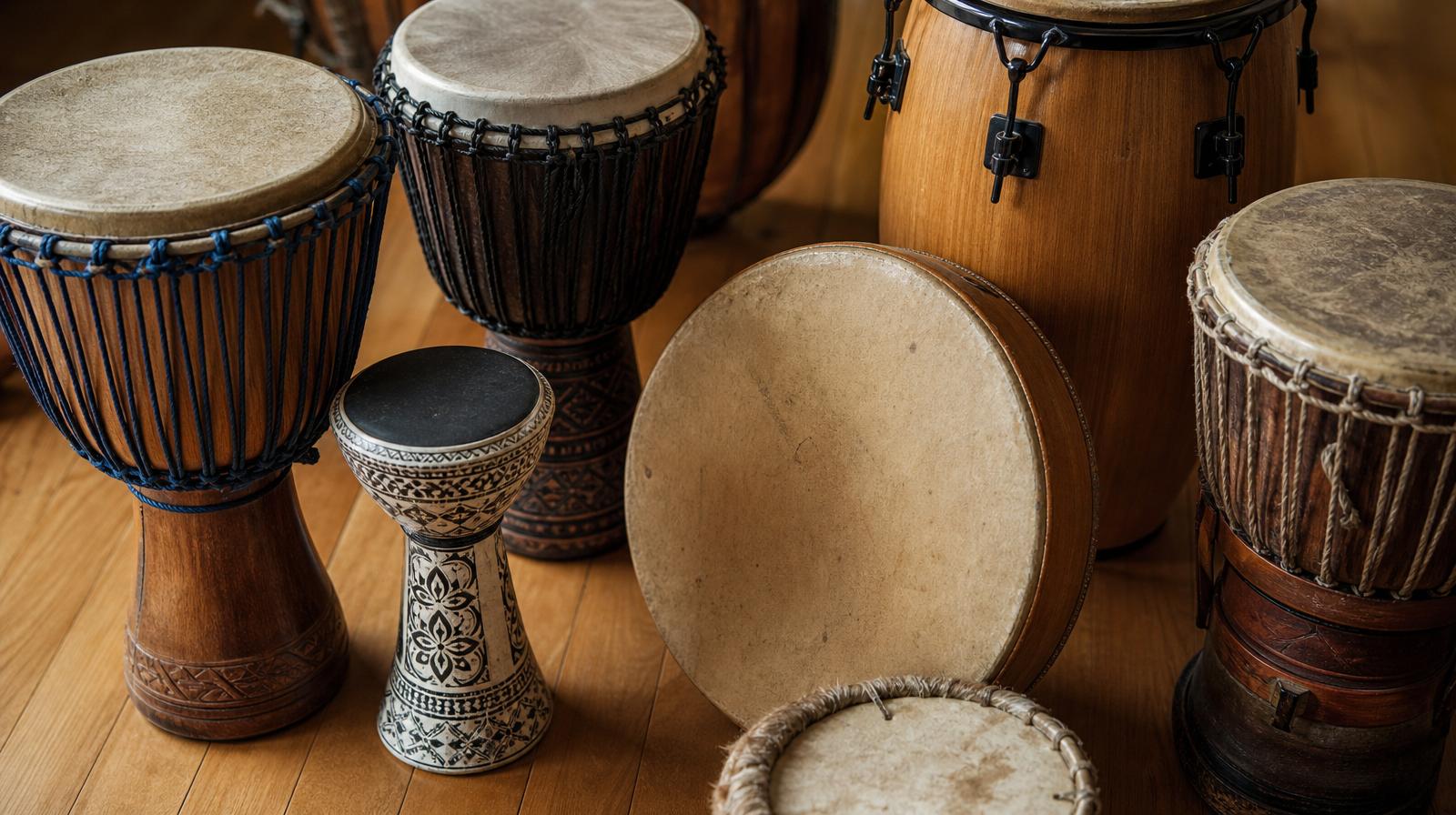
Selecting the right instrument is crucial for ensuring everyone can participate comfortably. While traditional drums like congas or dununs are wonderful, they may require modifications for certain users.
Floor Toms and Frame Drums
Floor toms are excellent for wheelchair users because they can be placed at various heights or even tilted. Frame drums are lightweight and can be held in a lap or mounted on a stand, making them ideal for those with limited grip strength.
Small Percussion
Not everyone needs to play a large drum to contribute to the groove. Shakers, maracas, and tambourines allow for subtle rhythmic textures. For individuals with high sensory sensitivity, soft-mallet instruments or ocean drums provide a calming, less percussive sound.
Adaptive Mallets and Grips
For those who struggle to hold traditional sticks, adaptive gear like foam grips or T-shaped mallets can make a world of difference. These tools ensure that the joy of making sound is not hindered by physical challenges.
The Role of the Inclusive Facilitator
A drum circle for disabilities thrives under the guidance of a skilled facilitator. These leaders are trained to read the room and adapt the energy to the needs of the participants. They use visual cues, simplified rhythmic patterns, and a lot of encouragement to build a safe environment.
If you are looking for professional guidance, many drum teachers specialize in adaptive techniques. A good facilitator ensures that the volume remains at a comfortable level and that no one feels pressured to perform beyond their comfort zone. They foster a "no mistakes" atmosphere where the goal is connection, not perfection.
Creating a Sensory-Friendly Environment
Accessibility goes beyond the instruments; it includes the physical space where the circle meets. When organizing or attending an inclusive event, consider the following:
- Acoustics: Large, echoey halls can be overwhelming for those with auditory processing issues. Using rugs or acoustic panels can help dampen the sound.
- Space for Mobility: Ensure there is ample room between chairs for wheelchairs and walkers to navigate easily.
- Quiet Zones: Providing a designated "break area" away from the main drumming allows participants to step out if they feel overstimulated.
Building Community Through Rhythm
One of the most profound benefits of an inclusive drum circle is the breakdown of social isolation. In the circle, everyone is a musician. This sense of belonging is vital for mental health. Many drumming retreats now offer specialized sessions focused on inclusivity, allowing families and individuals to connect in a supportive, nature-filled setting.
By participating in a local circle, individuals with disabilities can meet new friends, share their stories through rhythm, and feel the powerful support of a community that values their presence. It is a place where the "disability" disappears, replaced by the shared heartbeat of the group.
How to Find Inclusive Drumming Events
Finding the right group is the key to a positive experience. Look for events specifically labeled as "all-abilities," "inclusive," or "sensory-friendly." Many community centers and hospitals host these gatherings as part of their wellness programming.
You can also check our directory of events to see if there are upcoming workshops or circles in your area that cater to diverse needs. Don't be afraid to reach out to the organizer beforehand to ask about the accessibility of the venue and the types of instruments provided.
Find a drum circle near you by visiting our drum circles directory.
Frequently asked
- Can someone with limited mobility participate in a drum circle?
- Absolutely. Many drums can be played while seated or even lying down. Facilitators often use stands to position drums at the perfect height for wheelchair users, and lightweight instruments like shakers or frame drums are excellent options for those with limited range of motion.
- Is drumming suitable for people with autism or sensory sensitivities?
- Yes, though it requires a thoughtful approach. Many facilitators use 'low-volume' instruments or provide noise-canceling headphones for those who want to feel the vibration without the full intensity of the sound. The predictable, repetitive nature of rhythm can actually be very soothing for individuals on the spectrum.
- Do I need prior musical experience to join a drum circle for disabilities?
- No experience is necessary. The beauty of a drum circle is that it is accessible to everyone regardless of skill level. The facilitator will guide the group through simple rhythms, and the primary goal is participation and enjoyment rather than musical mastery.
Find a drum circle near you
Browse hundreds of circles, teachers and rhythm community gatherings.
Explore drum circles