
Drum Circle Etiquette: The Essential Guide for Every Player
New to the circle? Learn the unspoken rules of rhythm, from respecting instruments to finding your place in the groove.
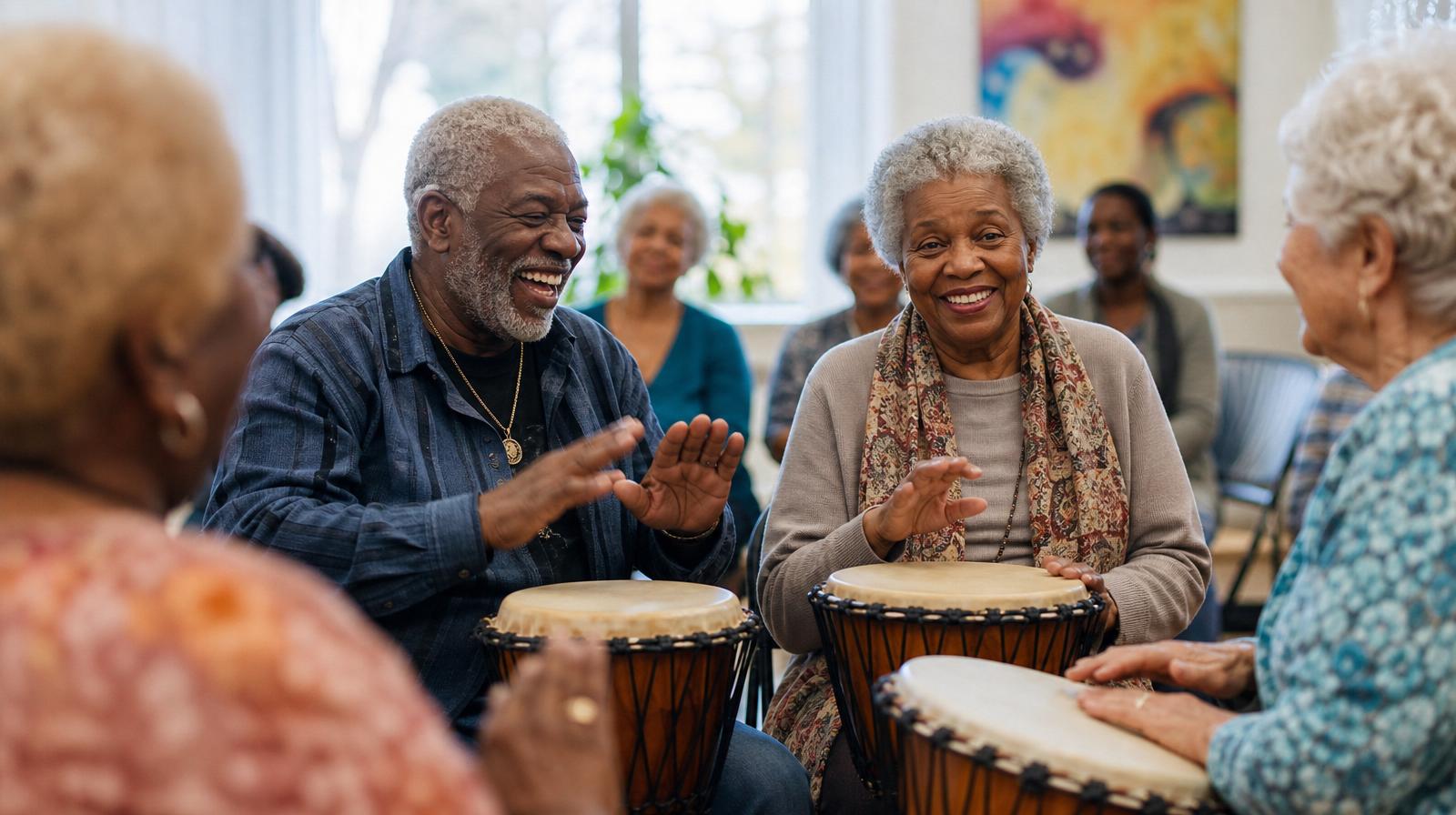
There is a unique magic that happens when a group of people gathers in a circle, instruments in hand, to create a collective heartbeat. Whether it is a sun-drenched beach gathering, a spiritual full-moon ceremony, or a structured community event at a local park, the drum circle is a space of connection.
However, for those new to the scene, the unwritten rules of the circle can feel mysterious. Drum circle etiquette isn't about rigid formality; it is about creating a respectful, harmonious environment where everyone—from the master percussionist to the first-timer—can find their voice.
In this guide, we will explore the nuances of rhythm-based community participation so you can step into your next circle with confidence.
1. The Golden Rule: Listen More Than You Play
The most important piece of etiquette is simple: use your ears as much as your hands. A drum circle is a conversation, not a series of monologues. When you first join a groove, take a moment to absorb what is already happening.
Listen for the "heartbeat"—usually a steady pulse held down by the lower-pitched drums like the dununs or large djembes. Before you strike your drum, try to find where your rhythm fits into the existing tapestry. If everyone is playing at a high volume and high speed, adding a chaotic solo will disrupt the flow. By listening first, you ensure that your contribution enhances the collective sound rather than competing with it.
2. Respect the Instruments (Ask Before You Touch)
For many drummers, their instrument is a prized possession, often handcrafted and personally tuned. A professional-grade djembe, an Egyptian doumbek, or a delicate frame drum can be quite fragile and expensive to repair.
Never pick up or play someone else’s drum without explicit permission. If you see an instrument sitting empty on a chair, it does not mean it is available for public use; the owner may simply be taking a water break. If you didn't bring your own gear, many drum schools or community facilitators provide loaner instruments specifically for newcomers.
Additionally, be mindful of jewelry. Rings, bracelets, and watches can scratch the wood or metal hardware of a drum and, more importantly, can puncture or damage the natural skin heads. It is best to remove hand jewelry before you play.
3. Support the Groove, Don't Overpower It
It is tempting to play as loudly as possible when the energy of the circle rises. However, the best drum circles are those with a wide dynamic range. If you are playing so loudly that you cannot hear the person sitting next to you, you are likely playing too loud.
- Mind the Volume: If the facilitator or a lead drummer brings the volume down to a whisper, follow their lead.
- Leave Space: You don't have to play on every single beat. Sometimes the most powerful thing you can contribute is silence or a simple, steady pulse.
- Avoid "Noodling": In the gaps between songs or rhythms, try to resist the urge to keep drumming. This "noodling" makes it difficult for the facilitator to communicate or for the next rhythm to emerge naturally.
4. Following the Facilitator
In many community circles, there is a designated facilitator. Their job is to start and stop rhythms, manage the volume, and ensure everyone is included. They might use hand signals, a whistle, or a specific rhythmic "call" to signal a change.
Pay attention to the center of the circle. If the facilitator signals a "sculpting" move (pointing to one section to play while others stop), respect that direction. If you are looking to deepen your understanding of these signals, connecting with experienced drum teachers can help you learn the language of facilitation.
5. Entering and Exiting the Circle
Drum circles are often organic, but there is still a polite way to join in. If a rhythm is already in progress, try to find a seat quietly. Wait for a slight lull or a transition point to start playing.
If you need to leave while the music is still going, try to do so during a transition or simply fade your playing out gradually before stepping away. Be sure to thank those around you when the session ends; the social aspect of the circle is just as important as the music itself.
6. Support the Soloist
Occasionally, a dancer might enter the center of the circle, or a lead drummer might begin a solo. When this happens, the rest of the circle acts as the "rhythmic floor." Your job is to keep the beat rock-solid and slightly lower your volume so the soloist can be heard.
Avoid trying to solo at the same time as someone else. In the world of hand drumming—whether it's congas, bongos, or ashikos—the beauty lies in the call-and-response. Wait for your turn to speak, and when you do, keep it brief and tasteful.
7. Family-Friendly Spaces and Self-Care
Many gatherings found on our events page are family-friendly. If children are present, be mindful of your language and the intensity of the environment.
On a personal note, take care of your body. Drumming is physical. If you feel a blister forming or your wrists aching, stop and rest. Hydrate often. A drum circle is a marathon, not a sprint, and the community wants you to be able to return for the next session!
Finding Your Rhythm
Ultimately, drum circle etiquette is about humility and community. It is about moving from an "I" mindset to a "We" mindset. When we respect the instruments, the facilitator, and each other, we create a space where healing and joy can flourish.
Ready to put these tips into practice?
Find a drum circle near you: /drum-circles
Frequently asked
- What should I do if I don't have my own drum?
- Many community drum circles provide extra 'loaner' instruments like shakers, tamborines, or djembes for beginners. It is always a good idea to check the event description or contact the facilitator beforehand to see if instruments are provided.
- Can I join a drum circle if I have no musical experience?
- Absolutely! Most community drum circles are 'come as you are' and welcome all skill levels. The key is to start with a simple pulse or a shaker and focus on blending in with the group's collective sound.
- Is it okay to dance at a drum circle?
- In most circles, dancing is highly encouraged! It adds to the energy of the event. Just be sure to respect the physical space of the drummers and avoid bumping into instruments while you move.
Find a drum circle near you
Browse hundreds of circles, teachers and rhythm community gatherings.
Explore drum circles