
Find Drum Circle Events Near Me: A Guide to Local Rhythm
Discover the magic of group rhythm and learn how to find the most welcoming drum circle events in your local area.
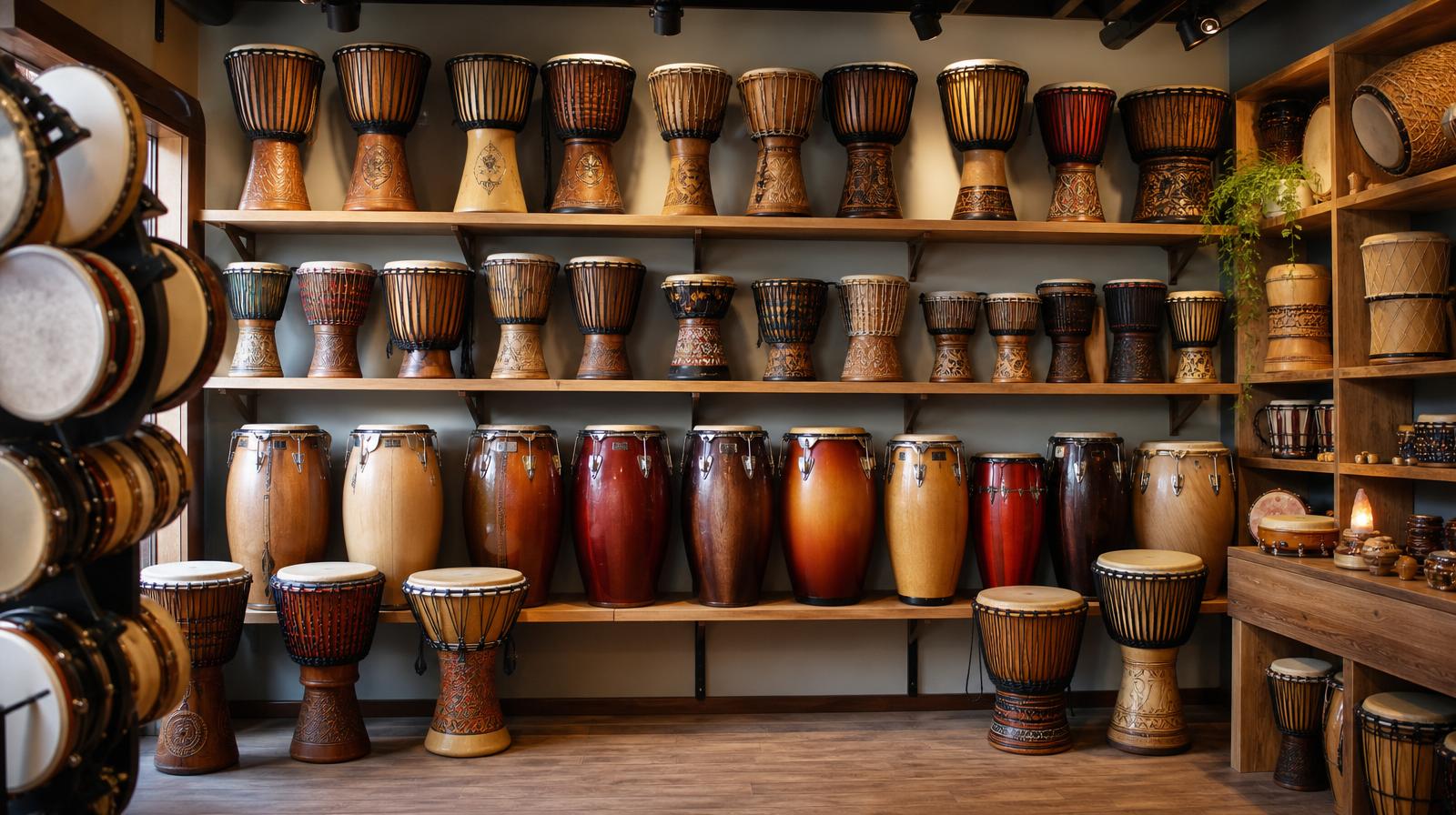
There is a primal, undeniable pull to the sound of a drum. Whether it is the deep, resonant bass of a djembe echoing through a public park or the intricate, conversational patterns of a doumbek at a local community center, drumming brings people together. If you have been searching for "drum circle events near me," you are likely looking for more than just music; you are looking for connection, stress relief, and a sense of belonging.
Drum circles are unique because they break down the barriers between performer and audience. In a circle, everyone is a participant. Whether you are a seasoned percussionist or someone who has never touched a drum in your life, there is a seat—and a beat—waiting for you.
Understanding the Different Types of Drum Circle Events
Before you head out to your first event, it is helpful to know that not all drum circles are created equal. Depending on your goals, you might prefer one style over another:
- Facilitated Drum Circles: These are led by a professional facilitator who guides the group through specific rhythms, games, and exercises. These are excellent for beginners because the facilitator ensures the music stays cohesive and inclusive.
- Community/Improvisational Circles: These are often more informal. Someone starts a beat, and others layer their rhythms on top. These are common at parks, beaches, and full-moon gatherings.
- Culturally Specific Circles: Some events focus on specific traditions, such as West African djembe and dunun music, Middle Eastern rhythms, or Afro-Cuban conga patterns. These often involve a bit more structured learning and may be hosted by drum schools.
Why Attend a Local Drum Circle?
The benefits of group drumming extend far beyond the music itself. Research has shown that recreational drumming can lower cortisol levels, boost the immune system, and even help manage chronic pain.
Beyond the health benefits, drum circles offer a rare opportunity for "entrainment"—the process where individuals' internal rhythms synchronize with the external beat of the group. This creates a powerful sense of unity and shared purpose that is hard to find in other social settings. It is a place where you can leave your worries at the door and simply be present in the pulse.
What to Expect at Your First Event
If you are nervous about attending your first event, don't be. Most drum circles are incredibly welcoming to newcomers. When you arrive, you will likely see a variety of instruments. While the djembe is the most common, you will also see frame drums, shakers, cowbells, and even the occasional woodblock.
Most circles follow a "call-and-response" format at some point, where a leader plays a pattern and the group repeats it back. Don't worry about making mistakes; in a large group, the collective sound is very forgiving. The goal is not perfection, but participation.
Essential Drum Circle Etiquette for Beginners
To ensure a positive experience for everyone, there are a few unwritten rules to keep in mind:
- Ask before you play someone else's drum: Many drummers are very protective of their instruments. Always ask permission before trying out a drum that doesn't belong to you.
- Listen as much as you play: The best circles happen when people are listening to one another. If you can't hear the person next to you, you might be playing a bit too loud.
- Support the bass: The heartbeat of the circle is the bass note. If the rhythm feels like it's falling apart, return to a simple, steady bass beat to help ground the group.
- Follow the facilitator: If there is a facilitator, pay attention to their signals for stopping, starting, or changing the volume.
Finding the Best Local Rhythm Communities
Finding "drum circle events near me" is easier than ever thanks to digital directories and social media. However, finding a quality circle that matches your vibe requires a little bit of research.
Check local community boards, metaphysical shops, and music stores. Many drum teachers also host monthly student circles that are open to the public. If you are looking for a more immersive experience, you might even consider drumming retreats which often feature nightly fire-side circles.
Preparing Your Gear: What to Bring
You don't necessarily need your own drum to attend an event. Many facilitated circles provide "loaner" instruments. However, if you decide to buy your own, consider the following:
- Djembe: The most versatile choice for outdoor and indoor circles.
- Frame Drum: Lightweight and great for a more meditative, subtle sound.
- Cajon: A wooden box drum that doubles as a seat.
- Small Percussion: A shaker, tambourine, or claves are great for those who want to participate without carrying a heavy drum.
Remember to bring a comfortable chair if the event is outdoors, as well as water and ear protection if you have sensitive hearing.
Join the Global Rhythm Movement
Drumming is a universal language that transcends borders and cultures. By joining a local circle, you are participating in an ancient human tradition of communal music-making. Whether you are looking for a family-friendly afternoon in the park or a high-energy late-night jam, the right community is out there waiting for you.
Find a drum circle near you by visiting our drum circles directory today.
Frequently asked
- Do I need to own a drum to attend a drum circle?
- Not necessarily. Many facilitated drum circles provide extra instruments for newcomers to use. However, it is always a good idea to check the event description or contact the organizer beforehand to see if 'loaners' are available.
- Are drum circles kid-friendly?
- Most community drum circles are very family-friendly and welcome children of all ages. Facilitators often encourage kids to participate with shakers or small drums, though parents should ensure their children follow the basic etiquette of the group.
- What should I do if I have no musical experience?
- Simply show up and listen. Drum circles are about community, not technical skill. Start by playing a simple steady beat on the '1' or following the pulse of the bass drums, and you will find your rhythm in no time.
Find a drum circle near you
Browse hundreds of circles, teachers and rhythm community gatherings.
Explore drum circles