Mastering Drum Circle Facilitation: A Guide for Rhythm
Discover the art of drum circle facilitation, from essential rhythm techniques to the subtle psychology of leading a community through the power of the beat.
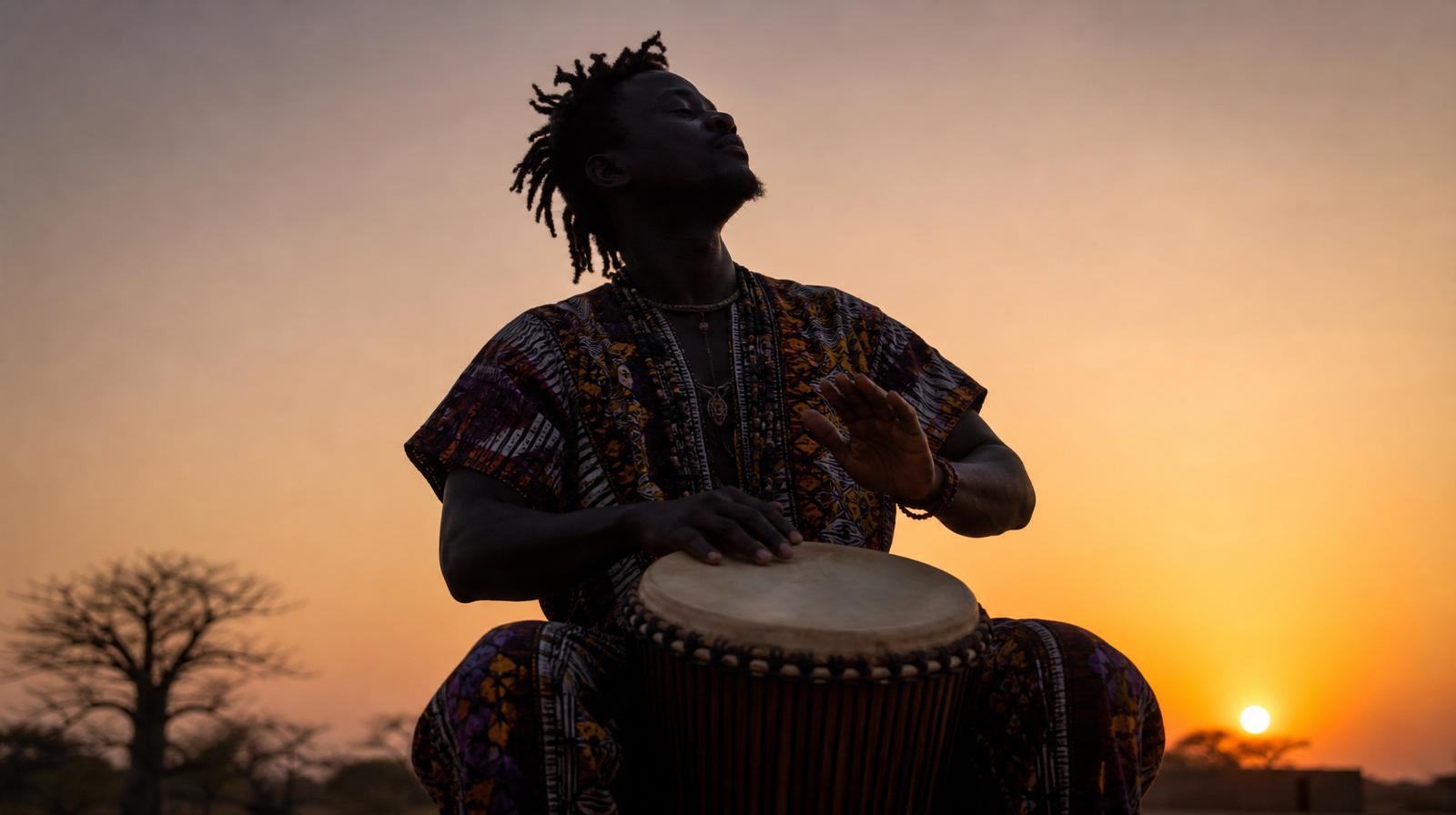
At its heart, drum circle facilitation is the bridge between a group of people with instruments and a unified, rhythmic community. It is not about conducting an orchestra or being the 'star' of the show; rather, facilitation is the art of making the process of music-making easy for others. Whether you are working with a handful of beginners in a community center or leading hundreds at a corporate conference, the goal remains the same: to help the group find its unique voice through pulse and vibration.
In this guide, we will explore the nuances of rhythm leadership, the essential tools of the trade, and the psychological shifts that occur when a circle truly begins to groove.
The Role of the Facilitator: Servant Leadership
A facilitator is a 'guide on the side,' not a 'sage on the stage.' Unlike a traditional music teacher who might focus on rigid technical perfection, a drum circle facilitator focuses on accessibility and connection. You are there to manage the energy of the room, ensure that everyone feels safe to participate, and provide just enough structure to prevent the rhythm from collapsing into chaos.
Effective facilitation requires deep listening. You must be able to hear the 'undercurrent' of the circle—noticing when the tempo is dragging, when a specific section is struggling, or when the energy is peaking. By using subtle hand signals, body language, and eye contact, you can steer the group toward a satisfying musical climax or a peaceful, meditative fade.
Essential Instruments for Facilitated Circles
While any percussion instrument can find a home in a circle, certain drums form the backbone of a successful facilitated event. As a leader, you should be familiar with the voices of these common instruments:
- The Djembe: The versatile workhorse of the drum circle. Its deep bass and sharp slaps make it ideal for signaling changes.
- Dunun (Dundun): These cylindrical, double-headed drums provide the melodic 'heartbeat' and grounding pulse for West African-style rhythms.
- Congas and Tubanos: Excellent for providing a steady, mid-range texture that is easy for beginners to lock into.
- Frame Drums: Perfect for more meditative, quiet, or spiritual gatherings.
- Small Percussion: Shakers, cowbells, and woodblocks allow those who might be intimidated by a large drum to contribute to the polyrhythmic weave.
If you are looking to deepen your technical skills on these instruments, connecting with professional drum teachers can help you master the traditional rhythms that often serve as the foundation for modern facilitation.
Core Facilitation Techniques: The Toolbox
To lead effectively, you need a repertoire of 'moves' that communicate your intentions without the need for a microphone. These techniques help transition the group through different phases of the musical journey.
Call-and-Response
This is the most powerful tool for engagement. You play a short, rhythmic phrase (the call), and the group repeats it back (the response). This builds confidence and ensures everyone is listening to one another.
Sculpting the Sound
Facilitators often 'sculpt' the circle by bringing the volume down to a whisper (decrescendo) or building it up to a thunderous roar (crescendo). You can also highlight specific sections—for example, asking only the wood and metal instruments to play while the drums rest.
The Stop-Cut
Knowing how to end a jam is just as important as knowing how to start one. A clear, physical signal—often a jump or a dramatic overhead clap—tells the group to hit one final beat in unison. This creates a sense of shared accomplishment and prevents the music from simply 'fizzling out.'
Creating an Inclusive Environment
A successful drum circle is one where the barrier to entry is non-existent. Facilitation is often about 'permission-giving.' Many adults carry baggage from childhood experiences where they were told they weren't 'musical.' Your job is to dismantle that narrative.
Encourage participants to play what they feel, even if it's just a simple pulse. Remind them that there are no 'wrong notes' in a community circle, only 'variations.' For those looking to start their journey in a structured environment, exploring drum schools can provide a fantastic baseline of rhythmic literacy before stepping into a leadership role.
Advanced Dynamics: Beyond the Basic Beat
Once a group is comfortable, a facilitator can introduce more complex dynamics. This might include:
- Syncopation: Encouraging the group to play 'off the beat' to create tension and interest.
- Entrainment: Helping the group reach a state of 'flow' where the individual egos disappear and the rhythm seems to play itself.
- Soloing Opportunities: Creating a safe space for individuals to step forward and express themselves while the rest of the circle holds down a steady 'groove bed.'
Professional Development and Networking
Facilitation is a lifelong practice. Many leaders choose to attend specialized drumming retreats to hone their skills away from the distractions of daily life. These retreats offer intensive training in both the musical and psychological aspects of leading groups.
Furthermore, staying active in the community by attending various rhythm events allows you to observe other facilitators in action. Every leader has a different style—some are high-energy and athletic, while others are quiet and minimalist. Finding your own authentic voice as a facilitator is a journey of self-discovery.
The Impact of Facilitated Drumming
Why do we facilitate? Beyond the music, drum circle facilitation has profound social and therapeutic benefits. It has been used in corporate team building to improve communication, in hospitals to reduce stress, and in schools to foster social-emotional learning. When you lead a circle, you are facilitating more than just sound; you are facilitating human connection, wellness, and joy.
Ready to find your rhythm? Find a drum circle near you and witness the power of facilitation in person.
Frequently asked
- Do I need to be a professional drummer to facilitate?
- While a solid sense of rhythm and basic technique on instruments like the djembe are essential, you don't need to be a virtuoso. Facilitation is more about communication, empathy, and group management than it is about performing complex solos.
- What is the difference between a drum circle and a drum class?
- A drum class focuses on teaching specific techniques and traditional rhythms with a student-teacher hierarchy. A drum circle is a collaborative, improvisational event where a facilitator guides the group to create music in the moment, focusing on community over curriculum.
- What are the most important signals for a facilitator to know?
- The three most vital signals are the 'Start' (setting the tempo), the 'Volume Control' (using hands to indicate louder or softer), and the 'Stop-Cut' (a clear physical cue for everyone to end at the same time).
- How do I handle someone playing too loud or off-beat?
- Instead of calling them out, use 'sculpting.' You can move toward them and model a softer volume, or use a call-and-response to bring them back into the collective pulse. Always maintain a positive, inclusive attitude to keep the energy supportive.
Find a drum circle near you
Browse hundreds of circles, teachers and rhythm community gatherings.
Explore drum circles