Find an Expert Drum Circle Facilitator in Your City
Discover how a professional drum circle facilitator can transform your next community event or corporate gathering into a rhythmic masterpiece.
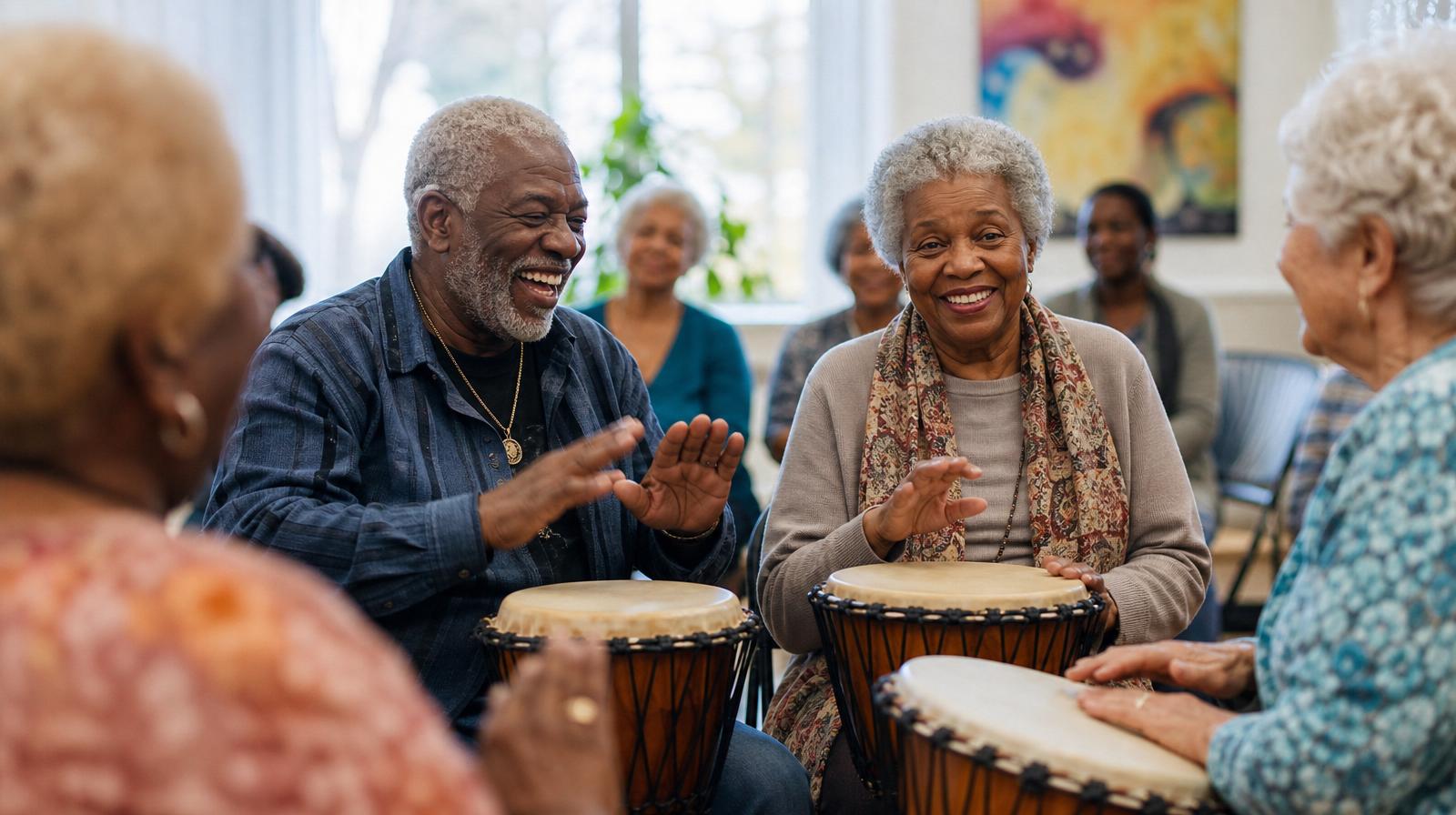
There is a unique magic that happens when a group of people, many of whom have never held a drum before, sit in a circle and begin to play. At first, there might be a few hesitant taps on a djembe or a shy shake of a maraca. But then, under the guidance of a skilled drum circle facilitator, those disjointed sounds begin to weave together into a powerful, unified heartbeat.
Whether you are looking to boost morale in a corporate office, foster connection at a community festival, or provide a therapeutic outlet for a wellness group, finding the right drum circle facilitator in your city is the key to unlocking the transformative power of rhythm.
What Does a Drum Circle Facilitator Actually Do?
Unlike a conductor who directs an orchestra to follow a strict score, a drum circle facilitator is a guide who empowers the group to create their own music. They are experts in "rhythm-based event facilitation." Their primary goal is to lower the barrier to entry, ensuring that everyone from a toddler to a senior citizen feels comfortable picking up a conga or a frame drum.
Facilitators use subtle hand signals, body language, and verbal cues to manage the group's energy. They might lead a call-and-response exercise to build focus, or use a "sculpting" technique to highlight the high-pitched tones of the doumbek against the deep, grounding bass of the dunun. By managing the volume and tempo, they ensure the experience remains inclusive and never devolves into overwhelming noise.
The Benefits of Facilitated Drumming
While a spontaneous "jam session" has its own charm, a facilitated circle offers specific benefits that make it ideal for organized events:
- Inclusivity: Facilitators provide a variety of instruments suited for all skill levels, ensuring no one feels left out.
- Stress Reduction: The rhythmic vibration of the drums has been scientifically shown to lower cortisol levels and trigger the release of endorphins.
- Team Building: In a corporate setting, drumming breaks down hierarchies. The CEO and the intern are equal contributors to the groove.
- Community Connection: Drumming in a circle fosters a sense of belonging and "entrainment," where the heartbeats and brainwaves of participants actually begin to synchronize.
Choosing the Right Facilitator for Your Event
When searching for a drum circle facilitator in your city, it is important to match their expertise with your specific needs. Some facilitators specialize in drumming retreats that focus on deep spiritual connection and technical mastery. Others are masters of the "community jam," perfect for family-friendly park gatherings or full-moon celebrations.
Ask potential facilitators about their training. Many have studied with pioneers like Arthur Hull or have backgrounds in music therapy. Check if they provide the instruments—a professional should arrive with a trailer or van full of sanitized djembes, percussion toys, and perhaps even some drum schools materials for those who want to continue their journey after the event.
Essential Instruments in a Facilitated Circle
A great facilitator brings a diverse palette of sounds to the circle. You can expect to see and play:
- Djembes: The versatile West African drum known for its deep bass and sharp slaps.
- Dunun: The large, cylindrical drums played with sticks that provide the rhythmic foundation.
- Tubanos: Sturdy, floor-standing drums that are excellent for beginners because they are easy to play while sitting.
- Frame Drums: Ancient instruments that produce a haunting, melodic quality.
- Auxiliary Percussion: Shakers, cowbells, woodblocks, and tambourines that add texture and "flavor" to the beat.
What to Expect at Your First Facilitated Circle
If you are attending one of the many events listed in our directory, don't be nervous. A facilitated circle is a judgment-free zone. You don't need to know how to read music or have "rhythm."
The facilitator will usually start with a brief orientation on how to hold the drum and how to get the basic sounds. From there, the group will move through various games and exercises designed to build confidence. Before you know it, you’ll be part of a complex, layered polyrhythm that feels like it’s playing itself.
Finding Local Rhythms
Ready to find your beat? The best way to experience this is to jump in. Whether you are looking for drum teachers to hone your personal skills or a professional to lead a 500-person conference, the right connection is just a few clicks away.
Find a drum circle near you and start your rhythmic journey today.
Frequently asked
- Do I need to bring my own drum to a facilitated circle?
- In most cases, no. Professional drum circle facilitators typically provide a wide range of instruments, including djembes, congas, and handheld percussion, for all participants to use. However, if you have a favorite drum, most facilitators welcome you to bring it along.
- Is a drum circle facilitator the same as a drum teacher?
- Not exactly. While many facilitators are also talented teachers, their role in a circle is to guide the group experience and foster spontaneous creativity rather than providing formal technical instruction. A teacher focuses on individual mastery, while a facilitator focuses on the collective groove.
- How long does a typical facilitated drum circle last?
- Most community or corporate drum circles last between 60 and 90 minutes. This allows enough time for an introduction, several rhythmic "journeys," and a brief period of reflection or cooling down at the end.
Find a drum circle near you
Browse hundreds of circles, teachers and rhythm community gatherings.
Explore drum circles