Find the Best Drum Circle Facilitator Near Me: Local Guide
Discover how a professional drum circle facilitator can transform your next event into a rhythmic journey of connection and wellness.
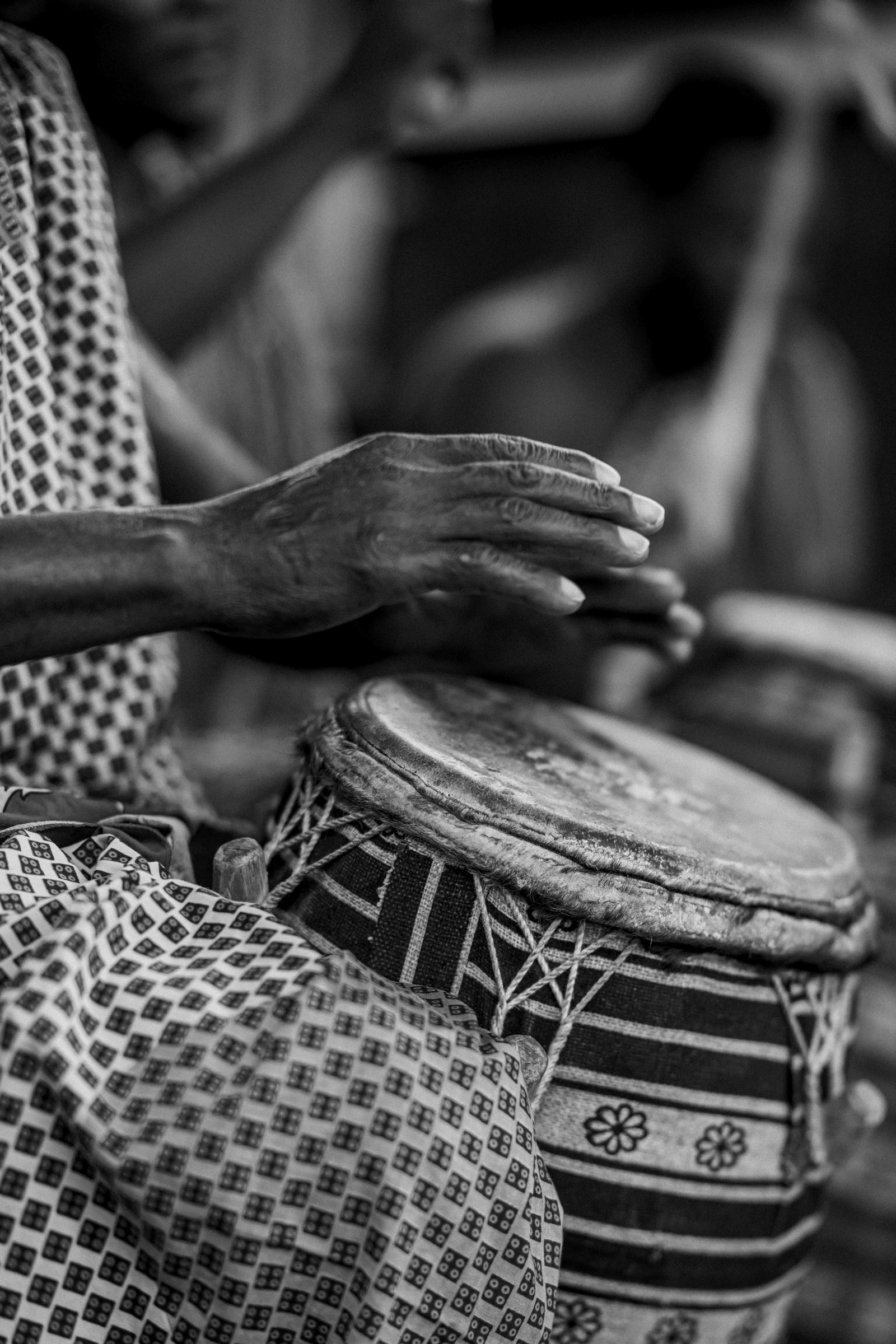
There is a unique magic that happens when a group of people, regardless of musical experience, picks up a djembe, a frame drum, or a pair of maracas and begins to play together. Within minutes, the scattered noise transforms into a cohesive, heart-pounding pulse. This transformation doesn't happen by accident; it is the work of a skilled drum circle facilitator.
If you have been searching for a "drum circle facilitator near me," you aren't just looking for a musician. You are looking for a community builder, a rhythmic guide, and a master of group dynamics. Whether you are planning a corporate wellness day, a wedding, a school program, or a local community festival, the right facilitator is the bridge between silence and song.
What Exactly Does a Drum Circle Facilitator Do?
Unlike a traditional conductor who demands perfection and adherence to a score, a drum circle facilitator focuses on empowerment. Their goal is to make everyone in the circle feel successful. They provide the rhythmic scaffolding—the steady heartbeat of a dunun or the bright click of a woodblock—that allows participants to experiment freely.
Facilitators use specific techniques to manage the energy of the room:
- Body Language and Cues: Using hand signals to raise the volume (crescendo) or bring the group to a sudden, exhilarating stop.
- Call-and-Response: Playing a rhythm on a conga or doumbek and having the group echo it back, fostering deep listening skills.
- Sculpting: Highlighting specific sections of the circle, such as the low-end bass of the djembes versus the high-pitched snap of the tambourines.
- Inclusion: Ensuring that the person who has never touched a drum feels just as vital to the groove as the seasoned percussionist.
Why Hire a Professional Facilitator?
While an organic, un-facilitated circle can be a wonderful experience, a professional brings a level of intentionality that is necessary for specific outcomes. If you are browsing our list of drum teachers or looking for someone to lead a structured event, a facilitator ensures the experience remains focused and high-energy.
Professional facilitators are trained to handle the "messy middle" of a rhythm session. If the tempo starts to drag or if the group becomes disjointed, the facilitator steps in with a stabilizing beat to bring everyone back into sync. This is particularly important for corporate team-building or therapeutic settings where the goal is unity and stress reduction.
The Health and Wellness Benefits of Facilitated Drumming
Modern science is finally catching up to what indigenous cultures have known for millennia: drumming is medicine. When you find a drum circle facilitator near you, you are accessing a powerful tool for mental and physical health.
Research has shown that group drumming can:
- Reduce Stress: Lowering cortisol levels through repetitive, rhythmic motion.
- Boost the Immune System: Increasing the activity of natural killer cells that fight viruses.
- Foster Connection: Creating a sense of "entrainment," where participants' heart rates and brain waves begin to synchronize.
- Release Endorphins: The physical act of drumming releases feel-good chemicals that can alleviate chronic pain and anxiety.
Many facilitators specialize in wellness-focused circles, often held at drumming retreats or local community centers, where the focus is on mindfulness rather than musical performance.
Choosing the Right Facilitator for Your Event
Not all facilitators are the same. Some specialize in the technical aspects of West African polyrhythms, while others focus on the therapeutic "HealthRHYTHMS" protocols. When searching for a facilitator, consider the following:
- The Audience: Is this for a group of children, seniors, or corporate executives? A facilitator for a kindergarten class needs a very different toolkit than one leading a high-pressure executive retreat.
- The Instruments: Does the facilitator provide the drums? Most professional facilitators arrive with a trailer full of djembes, ashikos, and small percussion like shakers and bells to ensure everyone has an instrument.
- The Vibe: Some circles are high-energy and loud, while others are meditative and use soft frame drums or tongue drums. Check their profile on the Drum Circle Directory to see their specific style.
Integrating Education and Community
Often, the best facilitators are also educators. They don't just lead the rhythm; they teach you how to produce a proper bass, tone, and slap on your drum. If you find yourself falling in love with the rhythm, you might want to look into local drum schools to deepen your practice.
Facilitators also act as the heartbeat of the local scene. They often know where the best full-moon gatherings, family-friendly park circles, and indoor winter jams are happening. Connecting with a facilitator is often the first step toward finding your "rhythm tribe."
How to Prepare for Your First Facilitated Circle
If you’ve found a facilitator and are heading to your first event, don't be nervous! Here are a few tips for a great experience:
- Remove Jewelry: Rings and bracelets can damage drum heads and hurt your hands.
- Listen More Than You Play: The secret to a great drum circle is the space between the notes.
- Follow the Facilitator: They are there to make you look and sound good. Watch for their signals to start, stop, or change volume.
- Support the Pulse: The most important job in any circle is maintaining the steady beat. If you get lost, just find the "heartbeat" and stick with it.
Finding Your Rhythm Today
Whether you are looking to host an event or join an existing one, the right leader makes all the difference. The world of rhythm is inclusive, vibrant, and waiting for you to join in. From the deep resonance of the surdo to the bright ring of the cowbell, every voice matters in the circle.
Ready to start your journey? Find a drum circle near you and connect with a facilitator who can help you find your beat.
Frequently asked
- Do I need to own a drum to attend a facilitated circle?
- In most cases, no. Professional facilitators typically provide a wide range of instruments, including djembes, congas, and hand percussion. However, it is always a good idea to check the event description on the Drum Circle Directory to confirm if instruments are provided or if you should bring your own.
- What is the difference between a drum circle and a drum lesson?
- A drum lesson focuses on technique, notation, and specific cultural rhythms to build individual skill. A facilitated drum circle focuses on group improvisation, community connection, and the immediate experience of making music together, regardless of skill level.
- How much does it cost to hire a drum circle facilitator?
- Rates vary based on the location, duration, and the number of drums provided. A small community event might cost a few hundred dollars, while large-scale corporate team-building sessions or multi-day retreats will be higher. Contact facilitators directly through our directory for a personalized quote.
Find a drum circle near you
Browse hundreds of circles, teachers and rhythm community gatherings.
Explore drum circles