Drum Circle Facilitator Training: Guide to Leading Rhythm
Discover how drum circle facilitator training can transform your rhythmic passion into a powerful tool for community building and wellness.
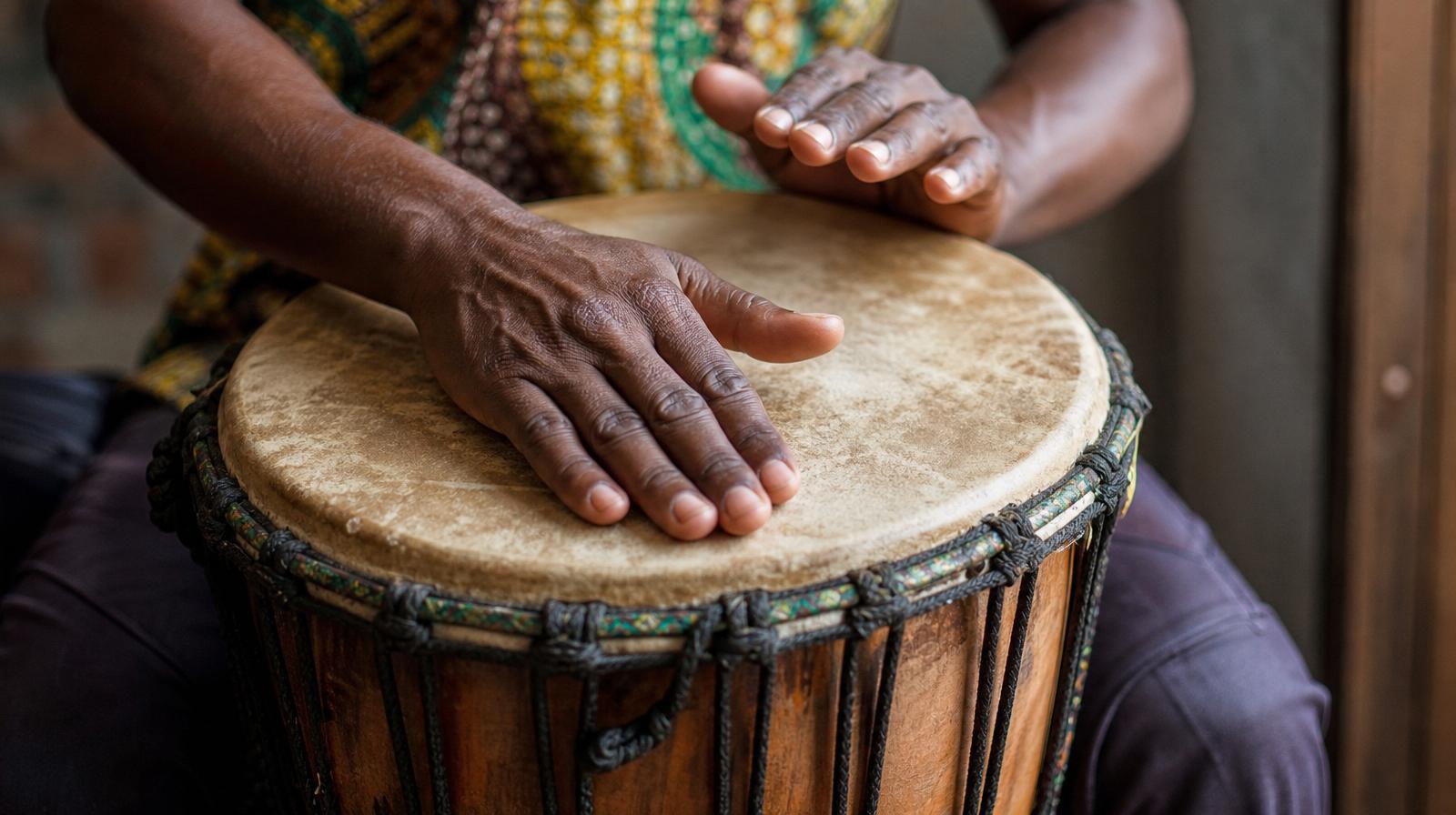
There is a profound difference between being a great drummer and being a great drum circle facilitator. While a drummer focuses on the precision of the beat, a facilitator focuses on the people holding the instruments. If you have ever felt the electric energy of a community rhythm event and wondered how to guide that chaos into a harmonious groove, you are likely ready for professional drum circle facilitator training.
Facilitation is the art of making a process easier. In the world of hand drumming, this means helping a group of people—often with varying skill levels—find their collective voice. Whether you are working with djembes in a corporate boardroom, congas in a senior center, or frame drums at a wellness retreat, the right training gives you the tools to lead with empathy and authority.
What is Drum Circle Facilitator Training?
Drum circle facilitator training is a specialized form of music education that focuses on group dynamics, non-verbal communication, and rhythmic leadership. Unlike traditional music lessons, which might focus on the technical mastery of the doumbek or the complex polyrhythms of the dunun, facilitation training focuses on the "human" element.
During a certification program or workshop, you will learn how to:
- Read the Room: Identifying when a group is tired, over-stimulated, or ready for a tempo change.
- Use Sculpting Signals: Learning hand gestures to bring volume up or down, stop the group (the "cut"), or highlight specific sections.
- Manage Logistics: Understanding how to arrange chairs, distribute instruments, and maintain a safe, inclusive environment.
- Foster Inclusion: Ensuring that a beginner with a shaker feels just as valued as a seasoned pro on the lead djembe.
The Core Pillars of Effective Facilitation
To be an effective leader, you must move beyond just "keeping time." Professional training usually breaks down the practice into several core competencies.
1. The Art of the "Start and Stop"
One of the most intimidating moments for a new leader is simply getting twenty people to start playing at once. Training teaches you how to give a clear four-beat count-in and, more importantly, how to execute a clean "cut-off" so the music ends in a satisfying, unified moment rather than a messy fade-out.
2. Rhythmic Vocabulary
You don't need to be a virtuoso, but you do need a toolkit of accessible rhythms. You’ll learn how to introduce basic "heartbeat" patterns that anyone can follow, as well as how to layer in call-and-response patterns to keep the energy high.
3. Body Language and Movement
In a loud drum circle, your voice is often useless. Facilitators use their entire bodies to communicate. Training helps you develop a "conducting" style that is clear and encouraging. This might involve stepping into the center of the circle to showcase a specific player or moving to the perimeter to support the bass drummers.
Choosing the Right Training Program
There are several philosophies regarding drum circle leadership. When looking for drum schools or workshops, consider which approach resonates with your goals:
- The Village Music Circles (VMC) Approach: Founded by Arthur Hull, this is perhaps the most famous method. It focuses heavily on the "community" aspect and uses a specific set of signals to empower the players.
- Health and Wellness Focused: Programs like HealthRHYTHMS focus on the therapeutic benefits of drumming. This is ideal if you plan to work in hospitals, recovery centers, or with special needs populations.
- Cultural and Traditional Methods: Some facilitators prefer a more teacher-led approach that focuses on specific West African or Afro-Cuban traditions, teaching the history of the djembe or conga alongside the rhythm.
Essential Gear for the Aspiring Facilitator
Once you begin your drum circle facilitator training, you will quickly realize that your "instrument" is actually a collection of instruments. A well-rounded kit usually includes:
- Low-end Support: At least two or three large djembes or dununs to provide the "heartbeat."
- Mid-range Tones: Congas or tubanos that are easy for beginners to play while sitting down.
- Small Percussion: A basket of shakers, bells, and woodblocks. These are crucial for people who may be intimidated by a large drum.
- The "Facilitator Drum": Usually a lightweight djembe or a frame drum that you can carry while moving around the circle.
Common Challenges You Will Learn to Overcome
Every facilitator eventually faces a "train wreck"—where the rhythm falls apart completely. Professional training prepares you for these moments. You will learn how to:
- Deal with the "Speed Demon": Every circle has one person who continually pushes the tempo faster and faster. You’ll learn techniques to gently pull the group back to a sustainable groove.
- Manage the "Soloist": How to encourage someone who is over-playing to listen to the group without hurting their feelings.
- Engage the Shy Participant: Using eye contact and simple shakers to bring a hesitant person into the rhythmic fold.
The Business of Facilitation
Many people seek drum circle facilitator training because they want to turn their passion into a career. Beyond the music, you need to understand the business side. This includes marketing your services to schools, corporations for team-building, and local community centers.
Learning how to pitch a "rhythm event" rather than just a "drum lesson" is key. Organizations are looking for the outcomes of drumming—stress reduction, better communication, and boosted morale. If you are looking to sharpen your technical skills before leading others, connecting with drum teachers can help you master the nuances of the instruments you'll be providing.
Why Certification Matters
While you don't technically need a license to lead a drum circle, having a certification from a recognized program adds immense credibility. It shows potential clients that you understand the psychological and physiological impacts of rhythm. It also connects you to a global network of facilitators who share resources, lesson plans, and support.
Whether you are leading a small family-friendly circle in a local park or a massive event for a thousand people, the foundation remains the same: rhythm is a tool for connection.
If you are ready to take the next step, start by attending as many different circles as possible. Observe the leaders. See what works and what doesn't. Then, dive into a formal training program to refine your unique voice as a rhythmic leader.
Ready to get started? Find a drum circle near you and observe the magic of facilitation in action.
Frequently asked
- Do I need to be a professional drummer to take facilitator training?
- No, you do not need to be a virtuoso. While a basic sense of rhythm is necessary, facilitator training focuses more on leadership, communication, and group dynamics than on complex technical drumming skills.
- How long does it take to become a certified drum circle facilitator?
- It varies by program. Some intensive workshops last 3 to 6 days, while more comprehensive certification programs can take several months of study and practical experience leading groups.
- Where can I work as a drum circle facilitator?
- Facilitators work in diverse settings, including schools, corporate team-building retreats, hospitals, senior living facilities, community centers, and wellness festivals. The demand for rhythmic wellness is growing across many sectors.
- What is the difference between a drum teacher and a facilitator?
- A drum teacher focuses on teaching students how to play a specific instrument or rhythm correctly. A facilitator focuses on the group experience, using drums as a tool to foster community, connection, and personal expression regardless of skill level.
Find a drum circle near you
Browse hundreds of circles, teachers and rhythm community gatherings.
Explore drum circles