Finding Expert Drum Circle Facilitators in the United States
Discover how professional drum circle facilitators build community and rhythm across the country through inclusive, high-energy gatherings.
Across the United States, a rhythmic movement is growing. From the sun-drenched parks of California to the historic community centers of New England, drum circle facilitators are transforming the way we connect. Unlike a traditional performance where the audience watches a stage, a facilitated drum circle is an interactive experience where everyone is a participant.
Whether you are looking to hire a professional for a corporate team-building event, a wellness retreat, or a local community festival, understanding the role of the facilitator is the first step toward a successful rhythmic experience.
What Does a Drum Circle Facilitator Actually Do?
A drum circle facilitator is neither a conductor nor a teacher in the traditional sense. Their primary goal is to make it easy for people to express themselves through rhythm. They bridge the gap between a group of individuals and a cohesive ensemble.
Using a variety of non-verbal cues, body language, and vocal encouragement, facilitators help the group find a common pulse. They manage the dynamics—slowing down the tempo when it gets too frantic, or signaling a crescendo to build energy. A great facilitator ensures that the seasoned djembe player and the absolute beginner with a shaker both feel equally valued in the circle.
The Instruments of the Circle
When you attend a session led by professional drum circle facilitators in the United States, you will see a diverse array of instruments. These are often provided by the facilitator to ensure everyone has something to play. Common instruments include:
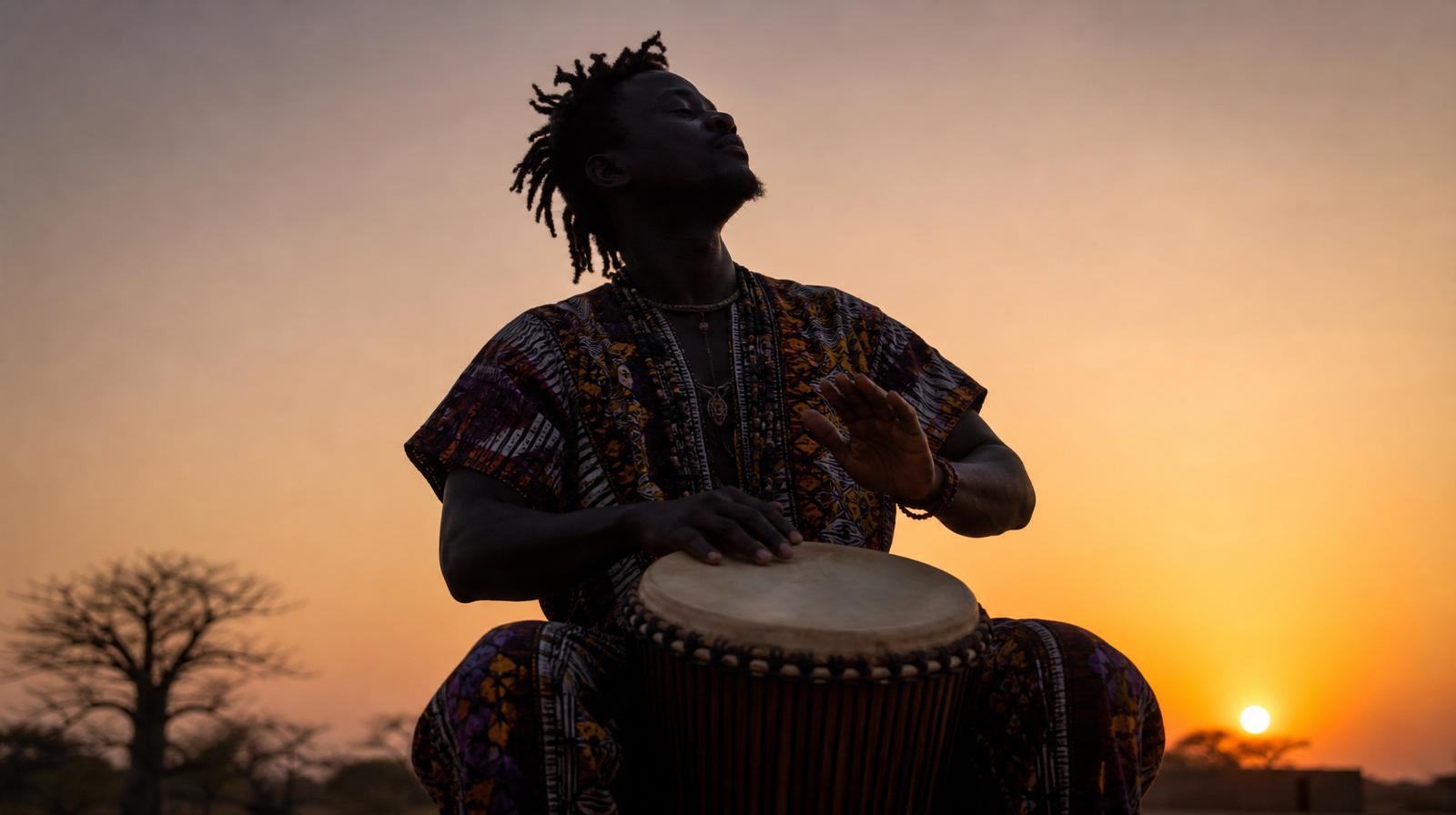
- Djembe: The versatile goblet drum from West Africa, known for its deep bass and sharp slaps.
- Dunun: The heartbeat of the ensemble, these cylindrical drums provide the foundation.
- Congas and Bongos: Afro-Cuban classics that add melodic textures.
- Frame Drums: Ancient instruments that are lightweight and accessible for all ages.
- Auxiliary Percussion: Shakers, cowbells, woodblocks, and tambourines that add color to the groove.
Why Facilitation Matters for Community Building
While spontaneous "jam sessions" have their own charm, a facilitated circle is intentionally inclusive. Facilitators are trained to remove the barriers to entry. Many people carry a fear of “not having rhythm,” but a skilled leader proves that rhythm is a human birthright.
In the U.S., facilitators often work in diverse settings such as schools, hospitals, and senior living facilities. They use rhythm as a tool for social-emotional learning and physical rehabilitation. By creating a safe space for expression, they help participants reduce stress and build a sense of belonging. If you are interested in deepening your own skills, you can explore drum schools that offer facilitation training.
How to Choose the Right Facilitator for Your Event
Not all facilitators are the same. Some specialize in the "Health Rhythms" protocol, focusing on the clinical benefits of drumming, while others focus on the recreational and celebratory aspects of the craft. When searching for drum circle facilitators in the United States, consider the following:
- Experience and Training: Ask if they have studied with recognized masters or completed formal facilitation intensives.
- Equipment: Do they provide high-quality instruments for the size of your group?
- Vibe: Look for someone whose energy matches your event—whether that is high-octane and athletic or meditative and grounding.
Finding the right leader can make the difference between a noisy room and a transformative musical journey. Many facilitators also list their upcoming public events where you can experience their style firsthand.
The Etiquette of the Facilitated Circle
If you are attending a circle for the first time, there are a few unspoken rules that help the rhythm flow. First, always listen more than you play. The goal is to support the "big beat" of the group. Second, follow the facilitator’s signals—if they signal a stop (often called a "cut-off"), stop immediately to enjoy the silence that follows.
Respect the instruments, especially if they are being loaned to you. Avoid wearing rings or jewelry that might damage the drum skins. Most importantly, bring an open heart. The circle is a judgment-free zone where your unique contribution is welcomed.
Finding Local Rhythm Near You
The United States is home to some of the most vibrant drumming communities in the world. From the legendary circles at Spiritlandia to the weekly beach gatherings in Florida, there is always a place to play. To find a professional to lead your next gathering or to find a group to join, you can browse our extensive list of drum circles and facilitators.
Beyond just one-off events, many facilitators are also drum teachers who offer private lessons to help you master specific techniques on the djembe, doumbek, or congas.
Find a drum circle near you at Drum Circle Directory.
Frequently asked
- Do I need to own a drum to join a facilitated circle?
- In most cases, no. Professional drum circle facilitators usually provide a wide range of drums and percussion instruments for participants to use during the session.
- What is the difference between a drum circle and a drum lesson?
- A drum lesson focuses on technique, notation, and specific rhythms. A facilitated drum circle focuses on community connection, improvisation, and the collective experience of the group.
- Are drum circles in the U.S. family-friendly?
- Most community drum circles are highly inclusive and family-friendly, welcoming everyone from toddlers to seniors. Facilitators often have specific techniques to engage younger children in the rhythm.
Find a drum circle near you
Browse hundreds of circles, teachers and rhythm community gatherings.
Explore drum circles