The Ultimate Drum Circle Finder: Join Your Local Rhythm
Discover the magic of group rhythm with our guide to finding local drum circles, understanding the etiquette, and choosing the right instrument for your first gathering.
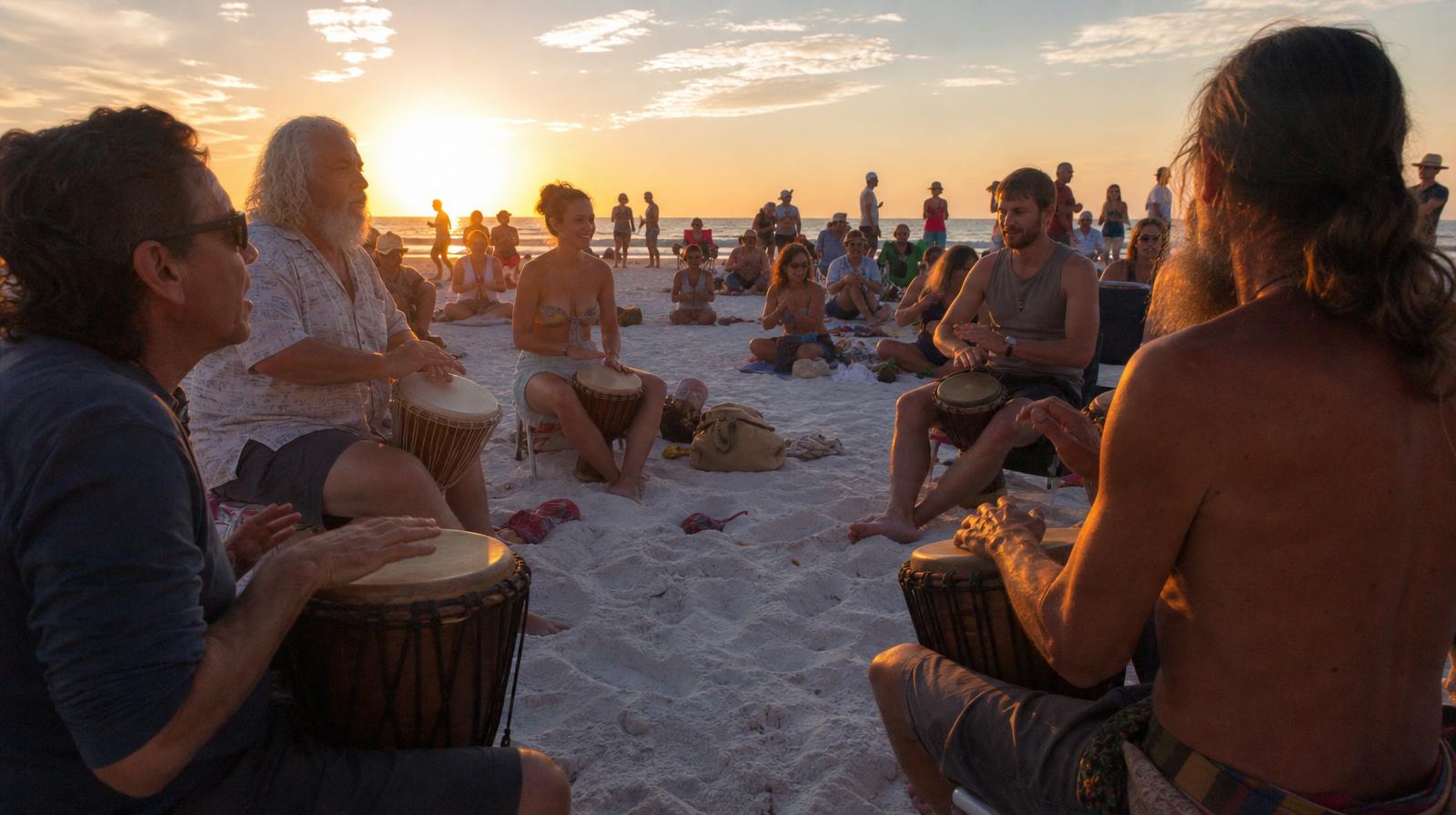
There is something primal and deeply restorative about the sound of a drum. It is the first sound we ever hear—the heartbeat in the womb—and when we gather to play together, that rhythm creates a bridge between strangers. Whether you are a seasoned percussionist or someone who has never touched a goat-skin djembe, finding a local rhythm community can be a life-changing experience.
Searching for a reliable drum circle finder is the first step toward a world of connection, stress relief, and musical discovery. This guide will help you understand what to expect, how to prepare, and how to find the perfect circle for your unique vibe.
What is a Drum Circle?
At its core, a drum circle is a group of people sitting in a circle, making music together in the moment. Unlike a band rehearsal or a formal concert, most community drum circles are improvisational. There are no wrong notes, only different rhythms waiting to be woven into the tapestry of the group sound.
In these spaces, you’ll see a beautiful variety of instruments. You might hear the deep bass of a djembe, the sharp crack of a doumbek, or the steady, earthy pulse of a frame drum. Many circles also incorporate small percussion like shakers, bells, and woodblocks to add texture to the groove.
Why Use a Drum Circle Finder?
Drum circles happen in many different venues, from public parks and community centers to yoga studios and spiritual retreats. Because they are often grassroots and community-led, they aren't always advertised on major ticketing platforms.
Using a dedicated directory or drum circle finder allows you to filter by location and type. Some circles are specifically for healing and wellness, while others are high-energy dance parties or family-friendly gatherings where kids are encouraged to participate. Finding the right fit ensures your first experience is a positive one.
Types of Drum Circles You Might Encounter
Not all circles are created equal. Depending on what you are looking for, you may prefer one style over another:
- Community Circles: These are usually open to all skill levels and are often free or donation-based. The focus is on inclusion and connection.
- Facilitated Circles: A trained facilitator leads the group, using hand signals and call-and-response techniques to help the group stay in sync and explore different musical dynamics.
- Spirituality & Full Moon Circles: These gatherings often focus on the meditative and ritualistic aspects of drumming, frequently held outdoors during celestial events.
- Culturally Specific Circles: Some groups focus specifically on West African, Afro-Cuban, or Middle Eastern traditions, often involving more complex rhythms and specific instruments like the conga or dunun.
Choosing Your First Instrument
If you don't own a drum yet, don't let that stop you. Many organizers provide "loaner" instruments for newcomers. However, if you're ready to buy, here are the most common choices for beginners:
- Djembe: The most popular drum circle instrument. It’s versatile, offering a deep bass and a sharp slap.
- Cajon: A box-shaped drum you sit on. It’s portable and doubles as a seat.
- Frame Drum: Lightweight and easy to transport, perfect for melodic and meditative styles.
- Bongos or Congas: Great for those who enjoy higher pitches and faster hand movements.
If you want to refine your technique before joining a large group, you might consider looking for drum teachers who specialize in hand percussion to help you get started with proper form.
Drum Circle Etiquette for Beginners
While drum circles are about freedom, a few unwritten rules help the music flow smoothly for everyone:
- Listen as much as you play: Pay attention to the volume and tempo of the group. If you can't hear the person next to you, you might be playing too loud.
- Ask before playing someone else’s drum: Instruments are often deeply personal. Always seek permission before trying out another person's gear.
- Support the heartbeat: Every circle has a fundamental pulse. If you get lost, stop, listen, and find that steady beat again before jumping back in.
- Respect the facilitator: If a facilitator is present, follow their cues for stopping, starting, or changing the volume.
Health and Wellness Benefits of Group Drumming
Beyond the fun of making music, drumming is scientifically proven to reduce stress and boost the immune system. The rhythmic vibration helps regulate the nervous system, and the social connection of the circle combats feelings of isolation. Many people find that a weekly drum circle is their primary form of "rhythm therapy."
If you are looking for a deeper dive into these benefits, you might explore drumming retreats that combine rhythm with mindfulness and nature.
Taking the Next Step in Your Journey
Once you’ve found a local circle using a drum circle finder, you might find yourself wanting to learn more. Many communities offer drum schools or workshops where you can learn the traditional rhythms that have been passed down for generations. Exploring these events is a great way to grow from a casual participant into a pillar of your local rhythm community.
Find a drum circle near you at Drum Circle Directory.
Frequently asked
- Do I need to know how to play drums to join a drum circle?
- No, most community drum circles are open to absolute beginners. The focus is on participation and community rather than technical perfection. Many circles even offer a brief orientation or have a facilitator to help you find the beat.
- What should I bring to my first drum circle?
- Bring a drum if you have one, but many circles provide extras. You should also bring a comfortable chair or stool (some circles are held in parks), water, and ear protection if you are sensitive to loud volumes.
- How do I find a drum circle near me?
- The best way is to use a dedicated drum circle finder or directory. You can also check local community centers, New Age bookstores, or public parks on weekend afternoons, as these are common hubs for rhythm gatherings.
Find a drum circle near you
Browse hundreds of circles, teachers and rhythm community gatherings.
Explore drum circles