
Drum Circle Florida Guide: Finding Your Rhythm in the Sunshine State
Discover the vibrant world of Florida drum circles, from moonlit beach gatherings to community park jams across the Sunshine State.
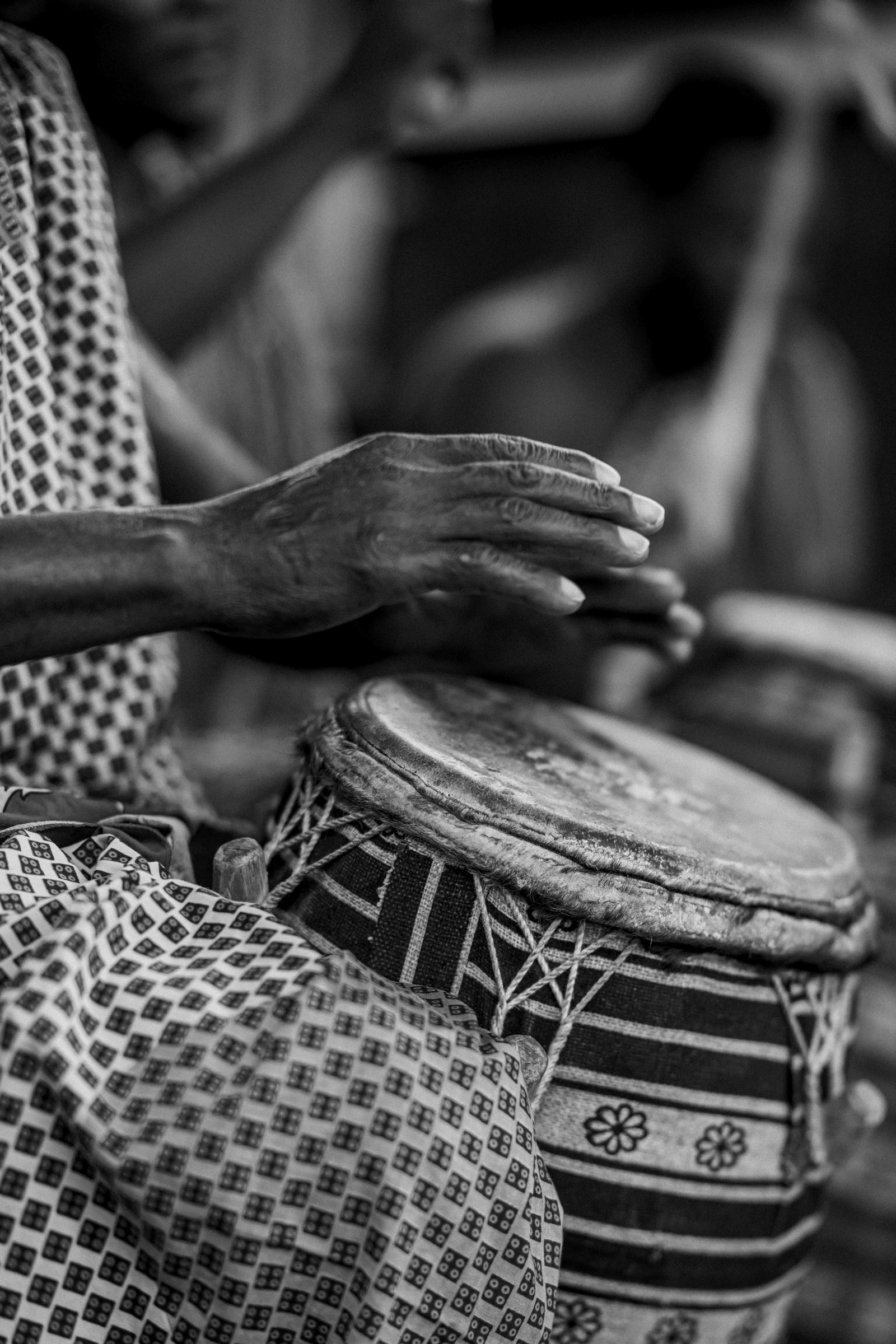
There is something elemental about the sound of a drum echoing across a white-sand beach as the sun dips below the Gulf of Mexico. In Florida, drum circles aren't just events; they are a weekly ritual that brings together thousands of people from all walks of life. Whether you are a seasoned conga player or a curious beginner holding your first shaker, the Florida drumming scene offers a unique warmth and inclusivity that is hard to find anywhere else.
From the legendary Sunday night gatherings on the Gulf Coast to the high-energy urban circles in Miami, the Sunshine State has become a global destination for rhythm seekers. This guide explores the best places to play, what to expect at your first circle, and how to connect with the local community.
The Magic of Florida Beach Drum Circles
Florida is home to some of the most iconic beach drum circles in the United States. These gatherings often start about an hour before sunset and continue until the stars emerge. The soft sand provides a natural acoustic dampener, while the open air allows the sound of dozens of djembes and dununs to carry for miles.
- Siesta Key Drum Circle: Perhaps the most famous in the state, this Sarasota staple happens every Sunday. It attracts hundreds of participants and thousands of spectators, creating a festival-like atmosphere.
- Nokomis Beach: A slightly more laid-back alternative to Siesta Key, the Nokomis circle is known for its family-friendly vibe and welcoming spirit toward new players.
- Treasure Island: Located near St. Petersburg, this circle focuses heavily on community connection and often features fire dancers as the night progresses.
Urban Rhythms: City-Based Gatherings
Beyond the coastline, Florida’s cities pulse with rhythmic energy. In places like Orlando, Gainesville, and Miami, drum circles take on a different flavor, often blending traditional African rhythms with Latin influences like salsa and rumba.
In Miami, you might find a circle where the crisp slap of a quint conga meets the deep bass of a djembe. These urban circles are excellent places to find drum teachers who specialize in specific regional styles, from Afro-Cuban to Haitian drumming. Many of these gatherings take place in public parks or community centers, providing a shaded respite from the Florida heat.
Essential Instruments for the Florida Scene
While any percussion instrument is usually welcome, certain drums are staples of the Florida scene. If you are looking to join in, consider bringing one of the following:
- Djembe: The most popular choice for its versatility and loud, distinct tones (slap, tone, and bass).
- Congas: Common in South Florida circles, bringing a melodic, woody resonance to the mix.
- Doumbek: A goblet-shaped drum often used for intricate, high-pitched lead rhythms.
- Frame Drums: Lightweight and portable, perfect for those who want to participate without carrying heavy gear across the sand.
- Percussion Toys: Never underestimate the power of a good shaker, cowbell, or tambourine. They provide the "glue" that holds the rhythm together.
If you don't own an instrument yet, many circles have "community buckets" or spare shakers to share. You can also check out local drum schools to learn the basics before your first big outing.
Etiquette for Newcomers
Florida drum circles are famous for their "come one, come all" attitude, but following a few basic rules of etiquette ensures everyone has a good time:
- Listen First: Before you start playing, take a moment to listen to the established beat. Try to find a way to complement the rhythm rather than playing over it.
- Respect the Center: The center of the circle is often reserved for dancers. Avoid walking through the middle unless you are moving to the music.
- Ask Before Playing Someone Else's Drum: Most drummers are happy to share, but always ask permission before touching a drum that isn't yours.
- Support the Pulse: If the rhythm gets chaotic, try playing a simple, steady beat (like a heartbeat) to help ground the group.
Health, Wellness, and the Power of Rhythm
Many Floridians participate in drum circles for more than just music; they do it for their health. Group drumming has been shown to reduce stress, lower blood pressure, and boost the immune system. In a state known for its retirement communities and wellness centers, therapeutic drumming is a growing trend.
Facilitated drum circles—where a leader guides the group through specific rhythmic exercises—are common at drumming retreats held in the Florida Keys or the Ocala National Forest. These events focus on the meditative and healing aspects of sound, offering a deeper connection than a standard beach jam.
Finding Your Local Community
With so many different groups scattered across the peninsula, it can be hard to keep track of when and where to play. The best way to stay informed is to check local community boards and social media groups. Many circles are weather-dependent, so always check for updates if there is a summer afternoon thunderstorm in the forecast.
If you are traveling through the state, you can find a comprehensive list of upcoming events and recurring gatherings to ensure you never miss a beat. Whether you are in the Panhandle or the Everglades, there is a rhythm waiting for you.
Find a drum circle near you.
Frequently asked
- What is the best time to arrive at a Florida beach drum circle?
- Most beach circles begin about an hour before sunset. It is best to arrive early to find parking and secure a spot in the sand, especially at popular locations like Siesta Key or Englewood Beach.
- Do I need to be an expert drummer to join a circle in Florida?
- Absolutely not. Florida drum circles are known for being inclusive. Beginners are encouraged to join with simple instruments like shakers or woodblocks, and many people attend just to dance or enjoy the atmosphere.
- Are Florida drum circles family-friendly?
- Yes, the vast majority of community drum circles in Florida are family-friendly. Children are often seen dancing in the center or playing small percussion instruments, though it is always wise to bring ear protection for younger kids due to the volume.
- What should I bring besides my drum?
- For beach circles, bring a comfortable chair or a blanket, plenty of water, and sun protection. If the circle continues after dark, a small flashlight can be helpful for packing up your gear safely.
Find a drum circle near you
Browse hundreds of circles, teachers and rhythm community gatherings.
Explore drum circles