How to Host a Successful Drum Circle Fundraiser
Discover how a drum circle fundraiser can build community while raising significant funds for your cause through the power of rhythm.
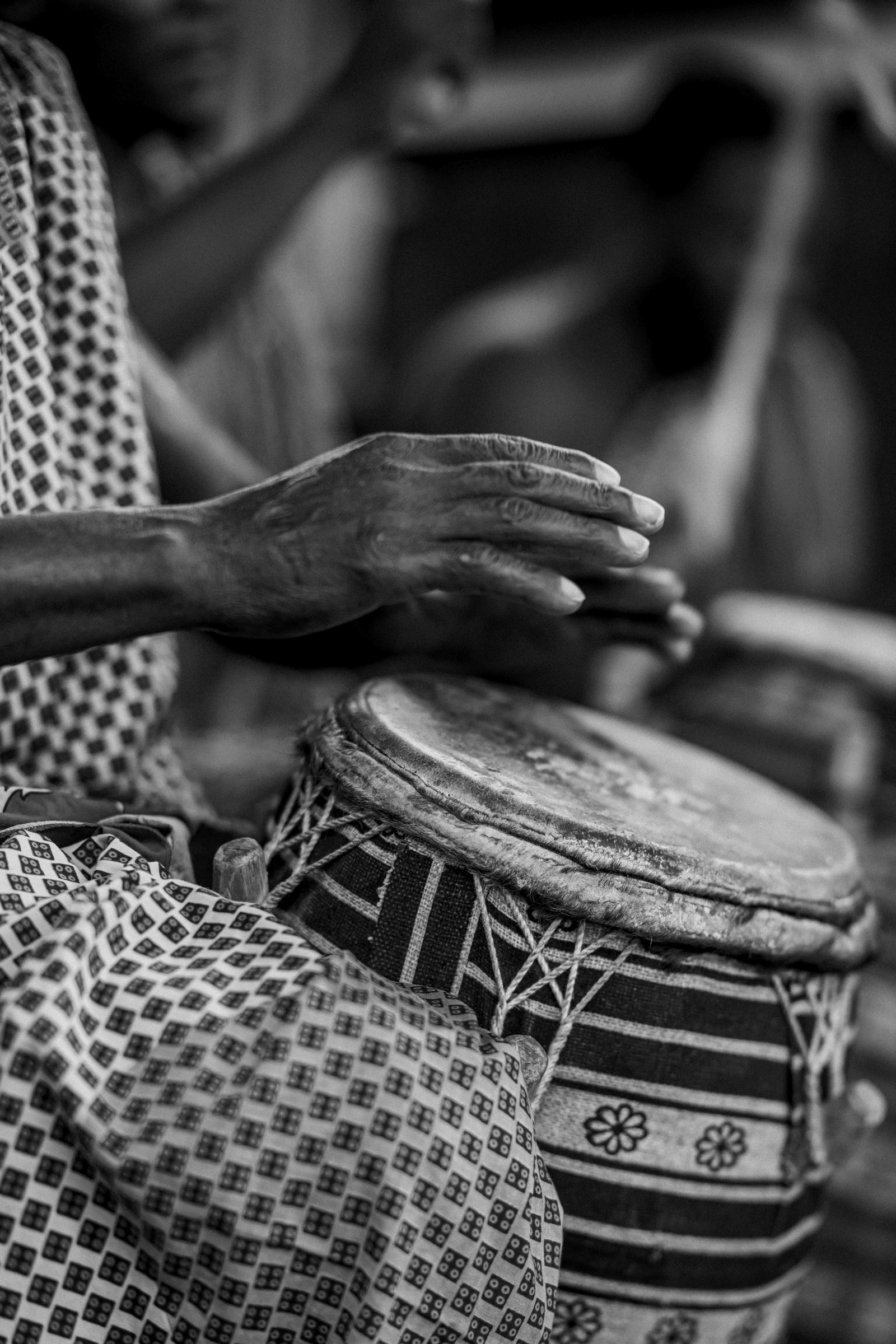
In a world where traditional fundraising often feels like a chore, the drum circle fundraiser offers something radical: connection. Instead of a silent auction or a formal gala, you are inviting your community to step into a rhythmic heartbeat. Whether you are raising money for a local school, a community garden, or a global non-profit, the collective sound of djembes, dununs, and frame drums creates an energy that is both infectious and memorable.
Unlike other events, a drum circle is inherently inclusive. It levels the playing field, allowing children, seniors, and seasoned musicians to participate side-by-side. This guide will walk you through the logistics, the soul, and the strategy of turning a rhythmic gathering into a powerful fundraising engine.
Why Choose a Drum Circle for Your Next Fundraiser?
Traditional fundraisers often rely on passive participation. A drum circle fundraiser, however, requires active engagement. When people play together, barriers melt away. This physiological and psychological shift makes donors feel more connected to the cause and to each other.
Research has shown that group drumming reduces stress and increases social bonding. For a non-profit, this means your donors leave feeling better than when they arrived. They aren't just giving money; they are receiving a wellness experience. This positive association ensures higher retention for future events and a stronger community foundation.
Finding the Right Facilitator
The success of your fundraiser hinges on the facilitator. A professional drum circle facilitator is not just a drummer; they are a conductor of human energy. They know how to manage the "volume" of the room, lead call-and-response patterns, and ensure that even the most rhythmically challenged participant feels successful.
When searching for a facilitator, look for someone who understands the "spirit" of community drumming rather than just technical performance. You can browse our directory of drum teachers and facilitators to find professionals who specialize in large-group dynamics. A good facilitator will bring their own kit of instruments—often a mix of djembes, shakers, and woodblocks—to ensure everyone has something to play.
Planning the Logistics: Venue and Instruments
Choosing the Venue
Acoustics are everything. While an indoor gymnasium is spacious, the echo can become overwhelming. Ideally, look for a park with a natural amphitheater, a community center with high ceilings and soft surfaces, or even a local farm. If you are hosting a full-moon gathering or an outdoor sunset circle, ensure you have a backup plan for weather.
The Instrument Mix
You don't need everyone to be a master percussionist. A diverse instrument mix ensures a rich soundscape:
- Low End: Large dununs or tubanos to provide the heartbeat.
- Mid Range: Djembes and congas for the primary rhythmic voice.
- High End: Frame drums, tambourines, and agogo bells for texture.
- Small Percussion: Shakers, maracas, and claves for those who want a lighter touch.
If you don't have enough instruments, consider partnering with local drum schools to rent or borrow equipment for the day.
Revenue Streams: How to Raise the Money
A drum circle fundraiser needs a clear financial strategy. Here are several ways to generate revenue:
- Ticket Sales: Charge a flat fee for entry. Offer a "Family Pack" to encourage multi-generational attendance.
- Instrument "Rentals": While the instruments are provided, you can include a small "instrument maintenance fee" in the ticket price.
- Sponsored Drums: Local businesses can "sponsor" a lead drum. Their logo can be placed on the drum or the chair where it sits.
- Rhythm Pledges: Similar to a walk-a-thon, participants can get pledges for every hour they drum during a "Drum-A-Thon."
- Merchandise: Sell branded shakers, t-shirts, or local artisan crafts during the break.
Structuring the Event Flow
A typical drum circle fundraiser should last between 90 minutes and three hours. You want to build momentum without exhausting your participants.
- The Welcome (15 Mins): As people arrive, have a steady, low-volume pulse going. This reduces the intimidation factor of a quiet room.
- The Opening Circle (30 Mins): The facilitator introduces basic techniques—how to get a bass, tone, and slap out of a djembe—and leads simple call-and-response games.
- The Cause Connection (15 Mins): Pause the drumming. This is the moment to speak about your mission. The hearts of the participants are open; this is when you share your story.
- The Main Groove (45 Mins): This is the high-energy phase. Layered rhythms, dancing in the center of the circle, and collective improvisation.
- The Closing (15 Mins): Gradually bring the volume down to a heartbeat, ending with a moment of silence to appreciate the collective energy created.
Marketing Your Rhythmic Event
To fill your circle, you need to reach beyond the "drumming community." Market the event as a family-friendly wellness experience. Use social media to share videos of previous circles so people know what to expect. Emphasize that "no experience is necessary."
Reach out to local yoga studios, schools, and community centers. If you are looking for a wider reach, check out drumming retreats and regional calendars to see when other events are happening so you don't double-book your target audience.
Find a drum circle near you to see how the pros do it before you host your own!
Frequently asked
- Do participants need to know how to drum?
- Absolutely not. One of the greatest strengths of a drum circle fundraiser is that it is accessible to everyone. A professional facilitator will guide the group through simple patterns, ensuring that even absolute beginners can contribute to the collective sound immediately.
- How many drums do we need for a fundraiser?
- Ideally, you should have enough instruments for every participant. However, you can also encourage a 'share and rotate' system or ask participants to bring their own 'found percussion' like buckets or shakers. Most facilitators can provide a 'drum bank' for 20-50 people.
- What is the best time of year for a drum circle event?
- Outdoor circles are popular in late spring and early autumn when the weather is mild. However, indoor circles work year-round. Many organizations find success tying their fundraiser to significant dates, such as the Summer Solstice, Earth Day, or a Full Moon.
Find a drum circle near you
Browse hundreds of circles, teachers and rhythm community gatherings.
Explore drum circles