
21 Best Drum Circle Games for Facilitators and Beginners
Transform your next rhythm gathering with these engaging drum circle games designed to build community, spark creativity, and improve listening skills.
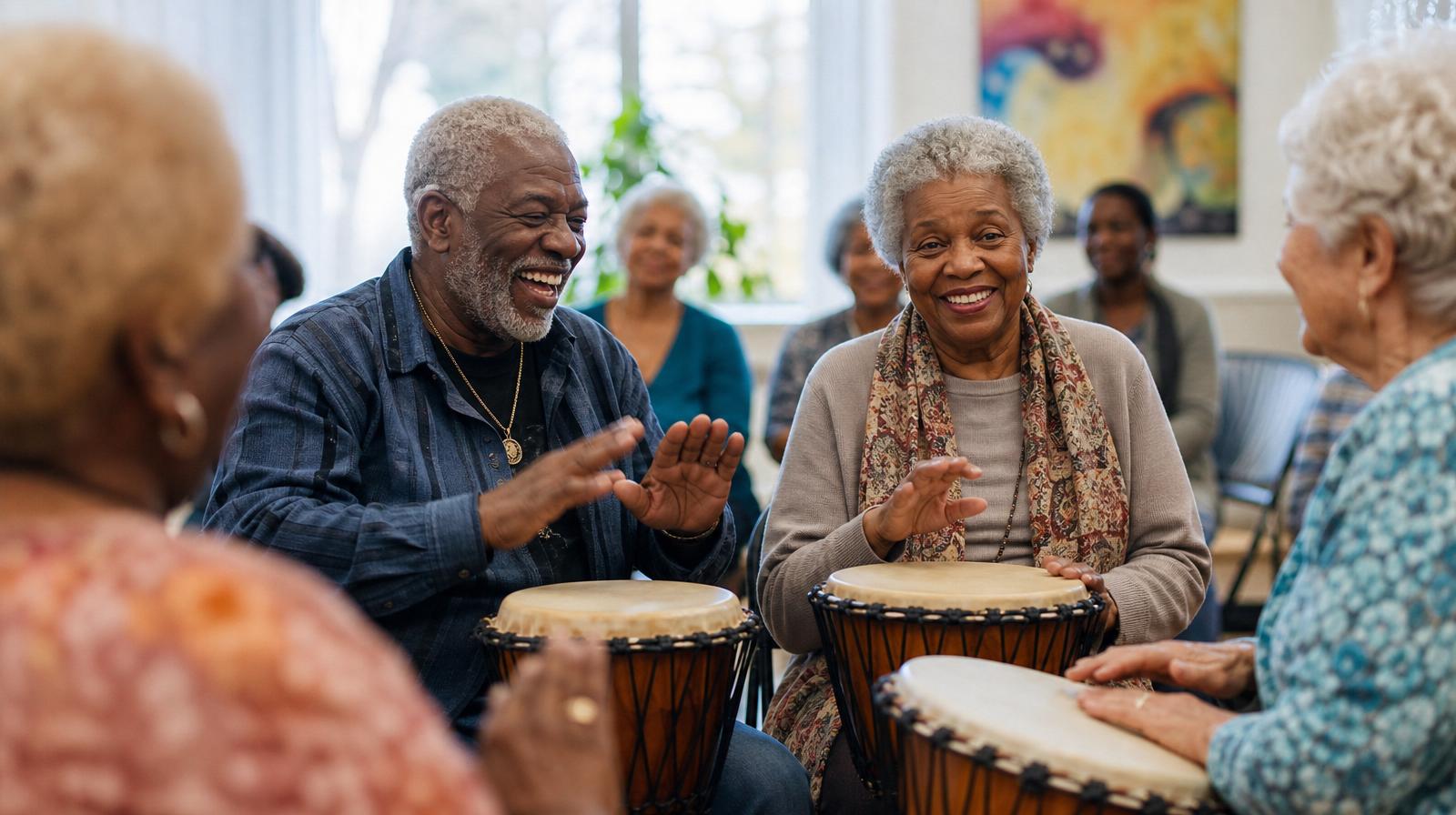
A drum circle is more than just a group of people hitting instruments at the same time; it is a living, breathing organism. For facilitators and participants alike, the challenge often lies in moving past a simple steady beat into a space of true creative play. This is where drum circle games come into play.
Whether you are working with a group of seasoned djembe players or a classroom of children picking up shakers for the first time, games provide the structure necessary for spontaneous musical expression. They break the ice, reduce performance anxiety, and teach essential musical skills like listening, dynamics, and timing without the pressure of a formal lesson.
The Role of Games in the Rhythm Community
In the world of hand drumming, games serve as a bridge. They take the technical skills learned from drum teachers and apply them in a social, low-stakes environment. Games help shift the focus from "Am I doing this right?" to "How am I contributing to the group sound?"
For a facilitator, these activities are tools to manage group energy. If the volume is getting too loud or the tempo is rushing, a quick game can reset the circle's focus. If the energy feels stagnant, a movement-based game can reignite the passion of the room.
Beginner-Friendly Icebreakers
Starting a circle can be intimidating for newcomers. These simple games help lower the barrier to entry.
- The Name Game: Each person says their name and accompanies it with a unique rhythmic phrase on their drum. The entire circle then repeats the name and the rhythm back in unison. This is a classic call-and-response technique.
- Pass the Sound: One person starts with a simple sound—a finger tap on a frame drum or a light slap on a conga. They "pass" it to the person on their right. The sound travels around the circle like a wave. Variations include changing the sound's volume or texture as it travels.
- Rhythmic Telephone: Similar to the spoken game, one person whispers a short rhythm onto their drum to their neighbor. It travels around the circle to see if the original rhythm survives the trip.
Dynamic and Listening Games
Listening is the most important skill in any community drumming event. These games train the ears to hear the spaces between the notes.
- The Volume Slider: The facilitator uses their hand like a fader on a mixing board. When the hand is high, the group plays fortissimo (loud). When the hand is low, the group drops to a whisper. This teaches the power of dynamics.
- Stop and Go: Use a visual cue (like a bell or a specific hand gesture) to signal an immediate silence. The goal is for the entire circle to stop at the exact same millisecond. The silence that follows a loud rhythm is often the most powerful part of the experience.
- The Echo Chamber: The facilitator plays a four-beat pattern. The group must wait for four beats of silence before echoing it back. This builds patience and rhythmic memory.
Advanced Rhythmic Challenges
For more experienced groups who might be attending drumming retreats, these games offer a deeper level of complexity.
- Layering the Groove: Start with the dununs or a heavy bass beat. Slowly add the congas, then the djembes, then the high-pitched bells and shakers. Each section must find a unique "pocket" that doesn't overlap with the others.
- The Solo Spotlight: Within a steady groove, the facilitator points to one individual. That person has four bars to solo or express themselves while the rest of the group maintains a steady, quiet heartbeat rhythm.
- Rhythmic Math: Assign different time signatures to different sides of the room. For example, one half plays in 4/4 while the other plays a 3/4 waltz feel. Finding where the "one" aligns is a fantastic brain workout.
Games for Kids and Families
Family-friendly circles require games that are high-energy and visual. These work exceptionally well with colorful frame drums and small percussion instruments.
- Animal Rhythms: Ask the children to play how an elephant walks (slow, heavy bass notes) versus how a mouse scurries (fast, light finger taps).
- The Rainstorm: Start with everyone rubbing their palms together (the wind). Move to finger clicking (light rain), then slapping thighs (heavy rain), and finally stomping feet (thunder). Reverse the process as the storm passes.
- Red Light, Green Light Drumming: A musical twist on the playground classic. Play fast when the leader shows green, slow for yellow, and total silence for red.
Using Props and Movement
Adding a physical element to drum circle games helps participants get out of their heads and into their bodies.
- The Magic Wand: The facilitator uses a stick or shaker as a "wand." Whomever the wand points to must play. If the wand spins, everyone plays a drum roll. If the wand points to the floor, everyone hits a deep bass note.
- Musical Chairs (Rhythm Edition): Place different instruments in a circle (doumbek, djembe, cajon). While a recording or a lead drummer plays, everyone walks around. When the music stops, you play the instrument you are standing in front of. This encourages people to try new sounds.
Finding Your Rhythm
Incorporating games into your practice transforms a standard jam session into a structured, educational, and deeply fun experience. It fosters a sense of belonging and ensures that everyone—from the toddler with a shaker to the elder with a master's touch—has a voice in the symphony.
If you're looking to hone your skills, consider enrolling in one of the many drum schools that specialize in community facilitation. They can provide the deeper pedagogical background needed to lead these games effectively.
Find a drum circle near you to start practicing these games in the wild!
Frequently asked
- What is the best drum circle game for a large group of 50+ people?
- The 'Volume Slider' or 'Stop and Go' are most effective for large crowds. These games rely on simple visual cues from the facilitator, allowing a large group to stay synchronized without needing complex verbal instructions.
- Do I need to be a professional drummer to lead drum circle games?
- Not at all. Facilitation is more about leadership and observation than technical drumming skill. As long as you can keep a steady beat and communicate clearly with your hands or voice, you can lead most community rhythm games.
- How do you handle someone who won't follow the game rules?
- In a drum circle, 'mistakes' are often just new rhythmic ideas. If someone is playing out of turn, try to incorporate their sound into the game rather than stopping the flow. Use a gentle visual cue to bring them back to the group's focus.
Find a drum circle near you
Browse hundreds of circles, teachers and rhythm community gatherings.
Explore drum circles